
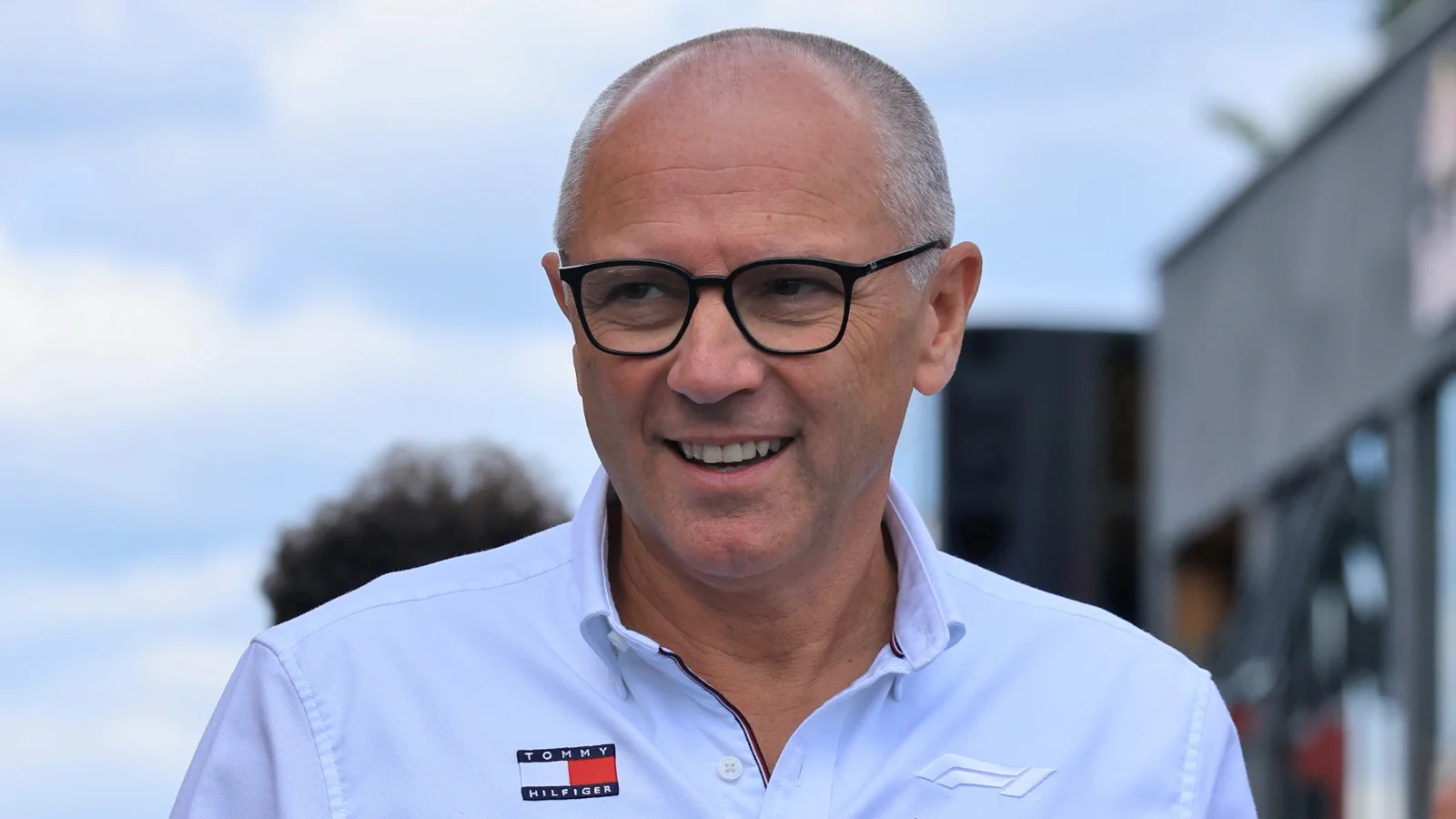
Formula 1 CEO Stefano Domenicali has defended the sport’s new ruleset amid ongoing criticism from Max Verstappen, but confirmed drivers are free to speak their mind on the issue.
F1’s new regulations cycle has come under heavy fire from a number of drivers since its implementation at the start of the year.
The cornerstone of the new ruleset is the 50/50 hybrid power units, which has seen lap times lengthen and drivers forced to balance their battery power from combustion in strategic ways.
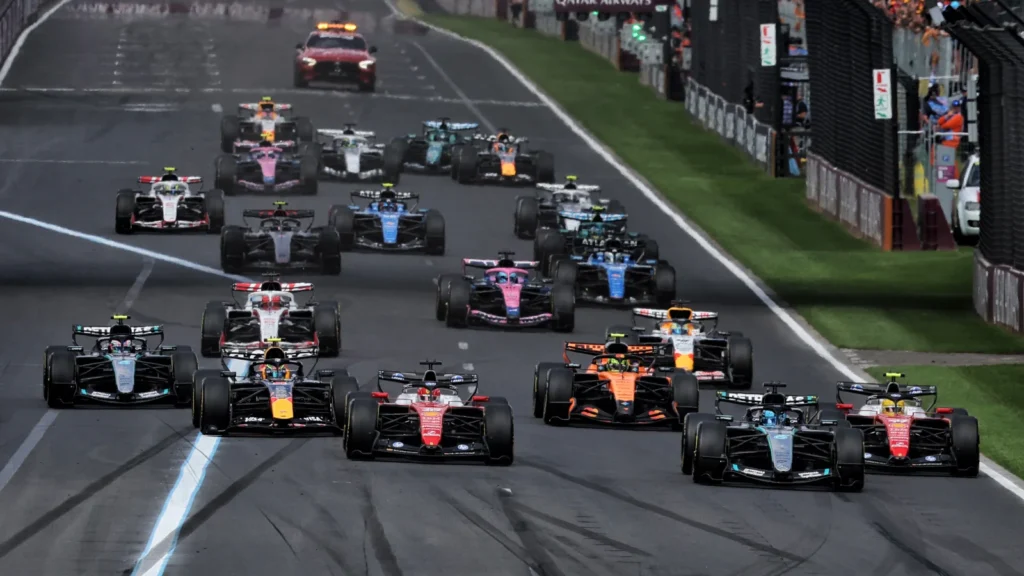
Initial races were met with bombardments of negative comments from drivers and fans, with early laps often seeing scarcely countable numbers of overtaking between cars with differing energy percentages, which led to the coining of term ‘yo-yo racing’.


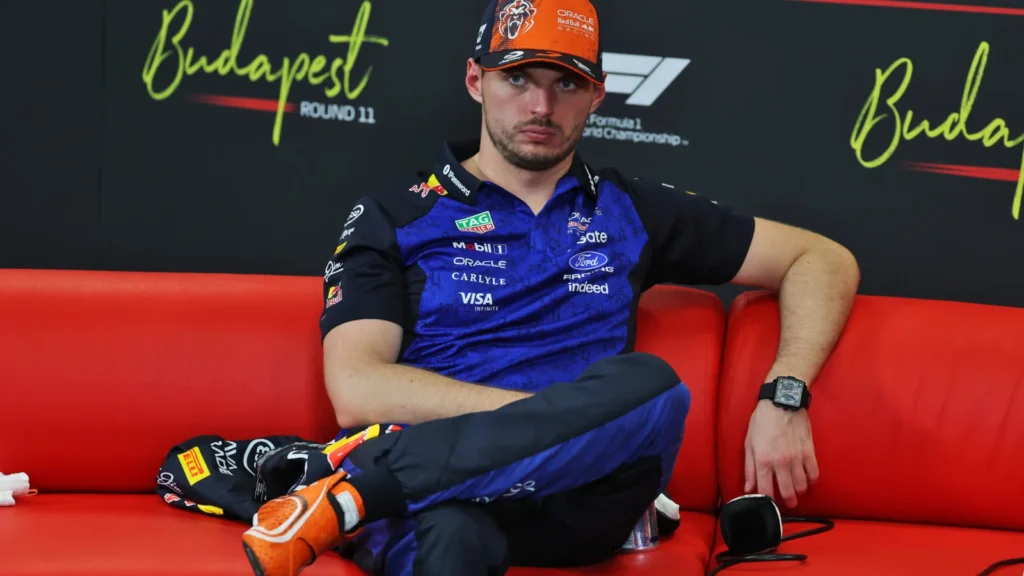
Verstappen had warned about the regulations in the seasons building up to their debut, and has consistently issued subtle but notable messages of vindication.
The Dutchman has been backed up by a number of drivers, including reigning World Champion Lando Norris, Fernando Alonso and Carlos Sainz, but defenders of the regulations quickly suggested Verstappen ought to put up or shut up, amid veiled threats to quit the sport should the issues continue.
Domenicali, being, by default, the face of F1, has naturally faced questions on the issue, and with the sport’s summer break having now begun, has taken time to address the topic further, stressing drivers are free to express their views.
“You know me, we are not here to put tape on the mouth of anyone,” he said, per PlanetF1. “I mean, the beauty of our sport is that everyone can have an opinion, but the opinion is an opinion.
“There is someone who has the duty to have a line. There are certain drivers that prefer, of course, certain things.
“I think that in the process we have highlighted the need to be constructive in that respect.”
Many have questioned F1’s need to go down the route of further electrification, with a two-fold counterpoint conveyed in its direction.
The FIA has its own single-seater championship in Formula E in promotion of sustainability, which has seen large growth in fan engagement, particularly ahead of its groundbreaking Gen4 era, which will see speeds potentially exceed 200mph, as well as lap times on some circuits set to match Formula 2.
As well as this, sustainable fuels are also part of the new regulations, which would promote a much cleaner form of racing with wholly combustion power units, and combined, would be likely to see manufacturers’ costs fall significantly.
But Domenicali believes that attracting manufacturers, such as the returning presence of Honda, as well as Audi – which has a rich recent history of electrification-based racing success – was a fundamental reason for going down the route it is now on.
“I go back to the thing that this change was connected to a reason, and that was a vital reason,” he said.
“Otherwise, we wouldn’t be here to talk about another sport. So that has been adjusted.”
‘Entertainment’ of F1 ‘attracting new fans’
Certain areas of the F1 fandom have been less than positive about the new regulations, with a similar viewpoint as the drivers in that it is less about deriving enjoyment from their skill, but now more about technological aspects, cited by Oscar Piastri in Belgium, dubbing the computerised nature of the engines playing a huge part in deciding outcomes, as a “pretty crap way to go racing”.
But Domenicali is confident that new swathes of fans are flocking and enjoying the product that is currently being put to them.
“I think the situation that we are living today is really great,” the former Ferrari Team Principal said. “The championship is really at the highest in terms of people following, people that are coming to the track and people that are, in any case, new or old fans appreciating the success of the things we are doing.
“Numbers are growing. The new fans are getting more and more. Therefore, we have an opportunity to connect with them and explain to them really what our sport is, because that’s an essential element of what we are doing.
“We want new people to come, but we need to make sure that they understand who we are, and to be focused on the key messages of our sport. That is competition. That is technology. That is fun. That is entertainment.”
Despite this, F1 has, after the first three rounds, agreed to significant changes that will see combustion power gradually become the dominant component again, beginning in 2027, and reaching a 60/40 split in its favour by 2028.
And with FIA president Mohammed Ben Sulayem making waves to return to V8 power when the next regulations cycle commences, a new demographic of fans appears to be set for a brand-new style of racing, more aligned with what many would be dubbing ‘the good old days’.
READ MORE – How Disney and F1 could utilise its relationship further







Discussion about this post