
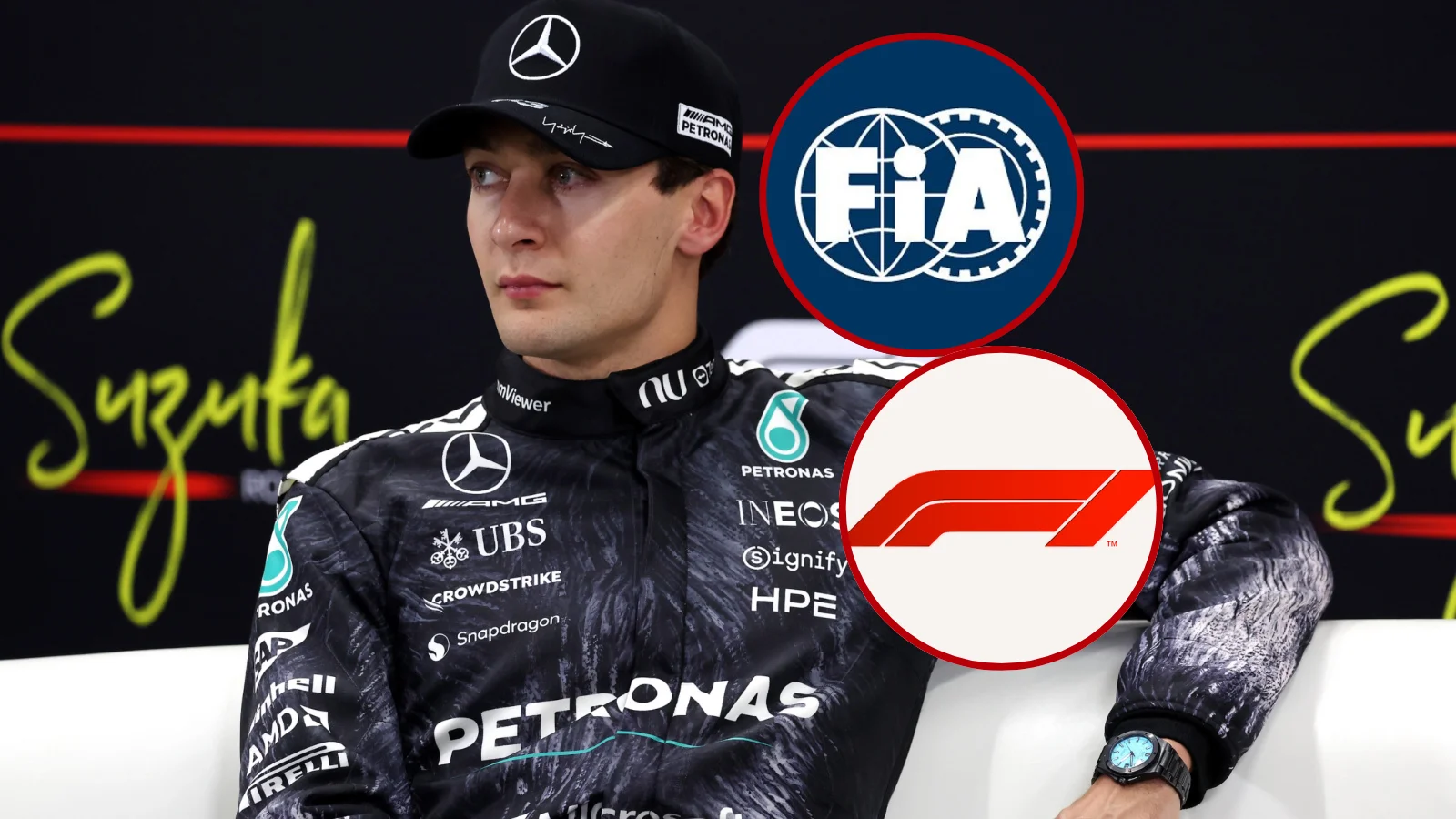
George Russell has revealed the current state of the relationship between the FIA and the current Formula 1 grid, after talks to ensure an improvement to the current maligned technical regulations.
The sport and its governing body have come under some criticism in recent weeks, as the new ruleset has caused a big split in opinion.
With many drivers voicing their displeasure at the new 50-50 hybrid power units, and how it has changed the driving experience, the enforced five-week break has led to talks on how to improve the overall state of things on track.
There is no doubt that such concerns will have had to be taken seriously, given the volume of complaints being voiced, particularly after Oliver Bearman’s huge accident at the previous round in Japan sparked further concerns around the interests of safety.


And Russell, speaking to select media, including Motorsport Week, revealed “two headline points” have been discussed between the FIA and drivers.
“Regardless of the incident in Japan, a discussion was always planned with all of the drivers, F1, and the FIA on how to make small improvements to these regulations,” the Mercedes driver said.
“Of course, there are things we want improving, like flat-out qualifying and not having to do lift and coast, and there have been some very positive conversations with the FIA, and everybody is aligned with what we’re trying to achieve.
“I think the two headline points are flat-out qualifying, so no ‘lift and coast’ and then reducing the closing speeds.”
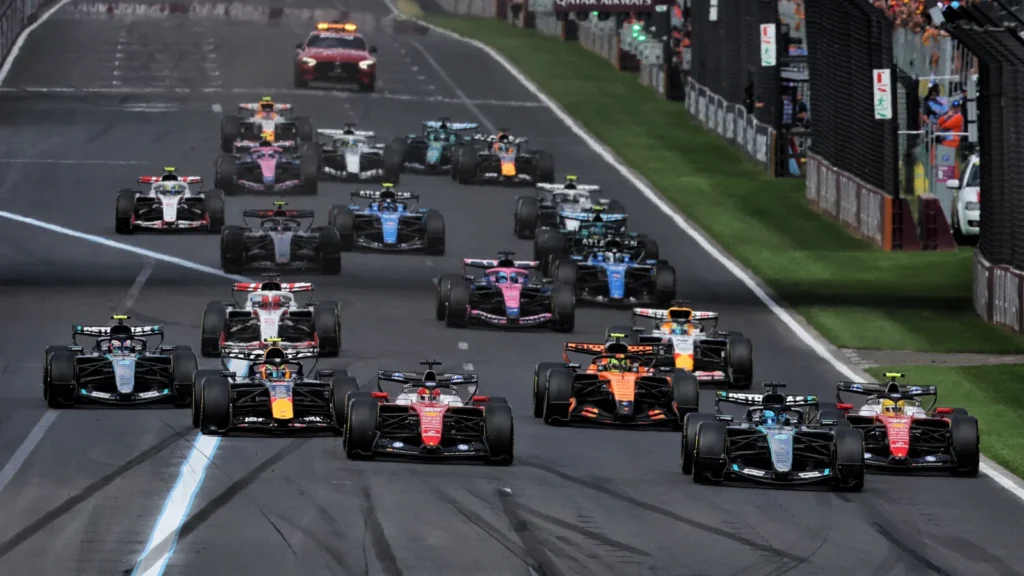
George Russell explains the ‘low hanging fruit’ that is spoiling F1
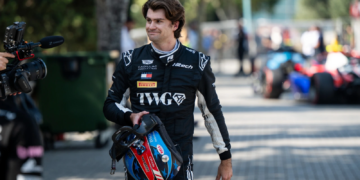
Russell continued that the FIA, having witnessed the incident between Bearman, caused by swerving to avoid a slowing Franco Colapinto, has been used as a yardstick to find a solution to prevent such accidents occurring again.
“The closing speed of the Bearman/Colapinto crash was twofold,” he explained. “One was Bearman on his ‘boost’ button, giving himself 350 kilowatts, so he had an abundance of power in an abnormal part of the track.
“And on the flip side, Colapinto used his boost on the straight before, on the main straight, half a lap before, so he was low in his battery, so he had a lack of power.
“The FIA are definitely very much aware of that, and from the driver’s perspective, just looking to reduce that closing speed in abnormal areas, and especially in non-SM [‘Straight Mode’] modes.
“If there’s a straight that isn’t an SM mode, that means it’s because it’s a corner, and of course, that the Bearman crash was in a non-SM part of the track, so we’re all aligned on those points.
“There will be a compromise somewhere, because right now, the cars are set up to produce the fastest lap times possible, which is leading to the lift and coast driving style and a bit of energy management here and there, but there is some low-hanging fruit.
“For example, the 350 kilowatt superclip is a no-brainer, and that already, in itself, is going to avoid a lot of lift and coast.
“Some small changes around these regulations will have a major improvement for the overall driving experience.
“The FIA have been in a lot of communications with a handful of drivers, and at least from the FIA technical standpoint, it’s probably the closest relationship we’ve had with them in numerous years, so that’s very positive to see.”
Many naysayers of the new regulations, both those in the car and in the grandstands, may now be afforded a chance to relax, with the title-chasing Russell producing a welcome update ahead of F1’s return in Miami in two weeks’ time.
READ MORE – The FIA plan to save F1: What’s on the table ahead of Miami






Discussion about this post