
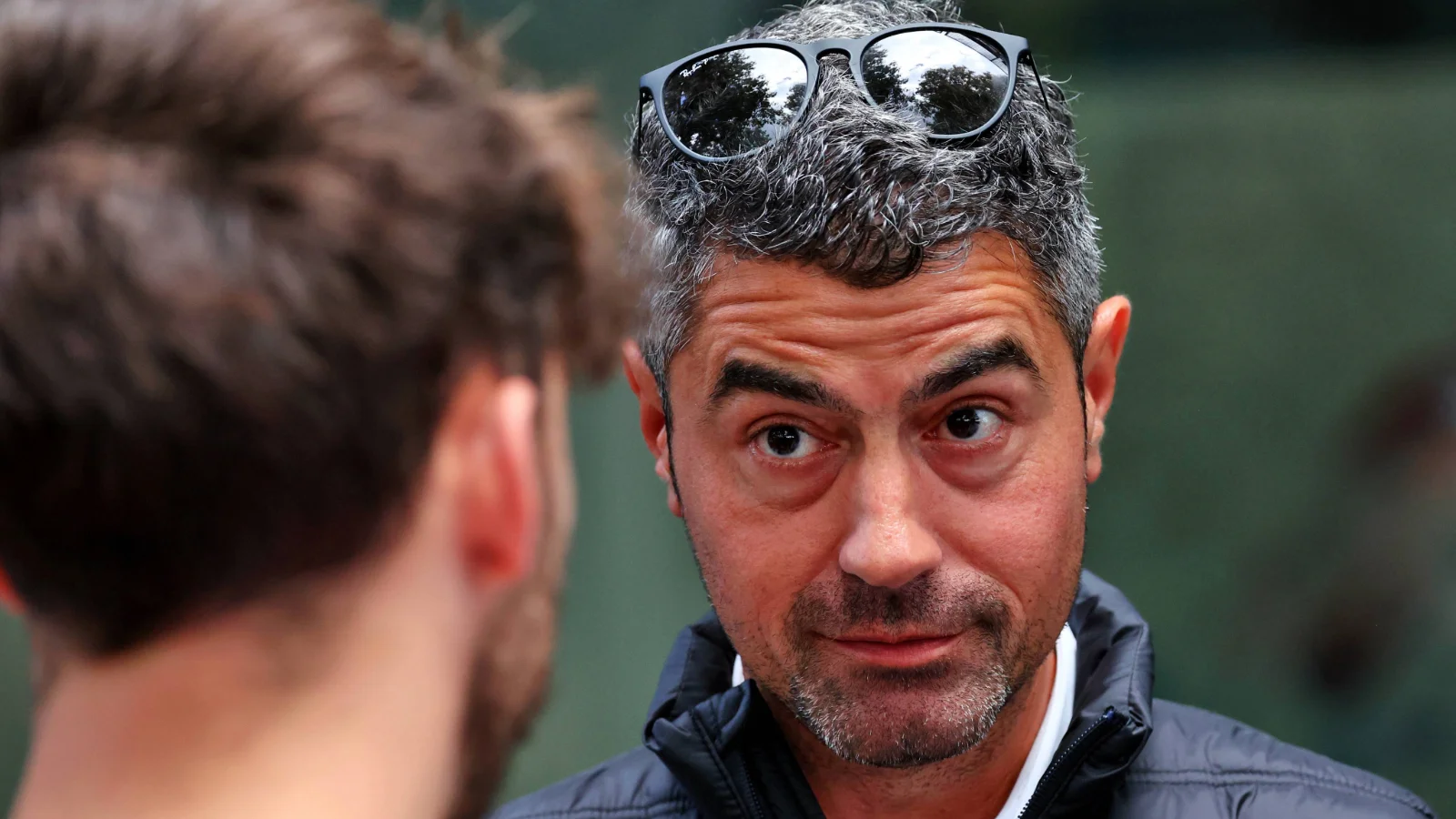
Niels Wittich, the former Formula 1 director, has come to Michael Masi’s defence over the controversial title-change decision he made in the 2021 Abu Dhabi Grand Prix.
Masi was the FIA’s F1 race director for three years before being dismissed following the controversy at the 2021 season finale.
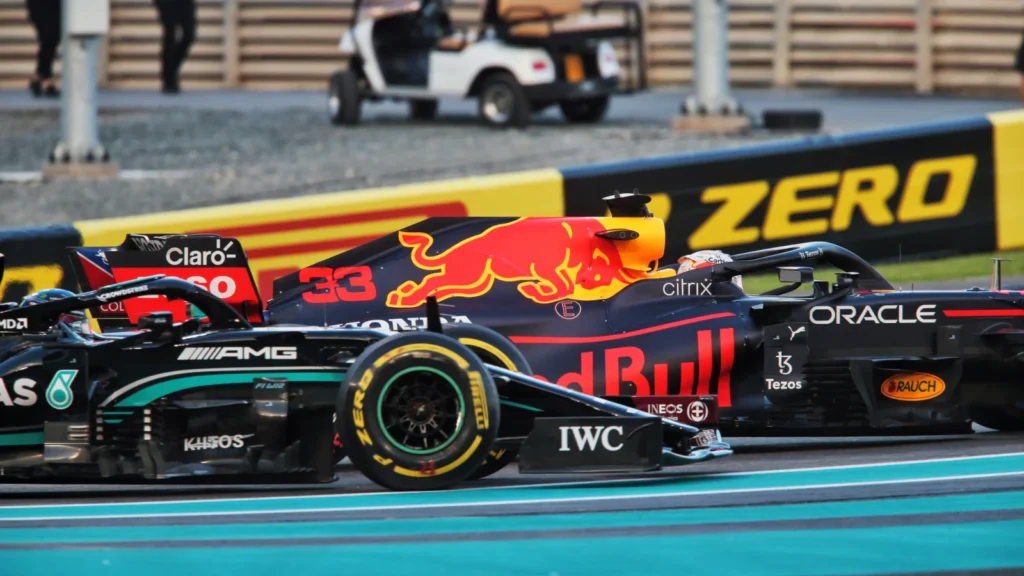
When Nicolas Latifi crashed in the closing laps of the race, bringing out the Safety Car, Masi bypassed the regulations that allowed lapped cars to overtake the leaders so that the two championship contenders, Max Verstappen and Lewis Hamilton, could go racing for the final lap.
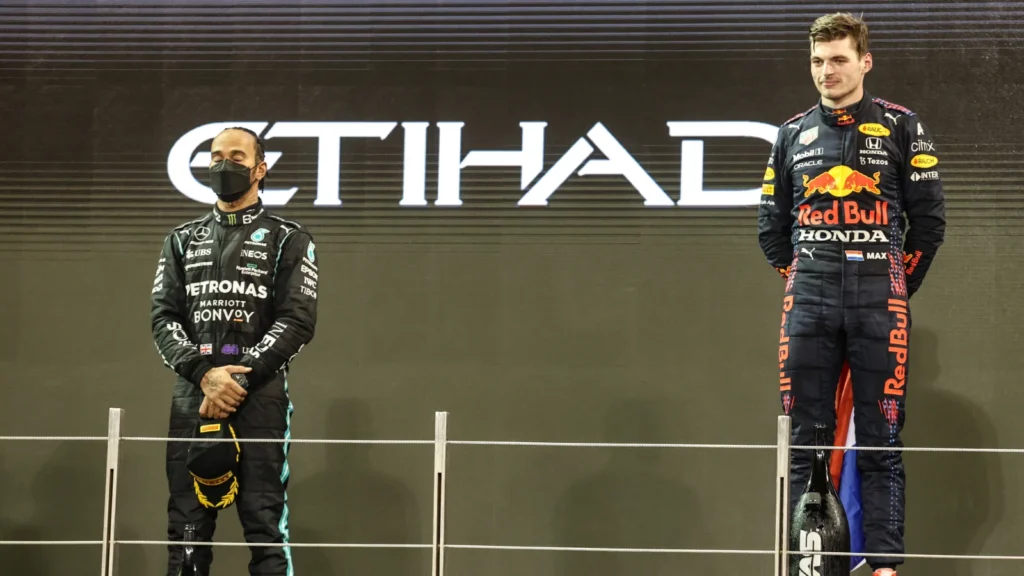
Hamilton was on much older tyres, and Verstappen overtook the Brit, taking his maiden championship title, denying Hamilton what would’ve been a record-breaking eighth title.


Following the season finale, criticism of Masi led to his removal from his role as director ahead of the 2022 season.
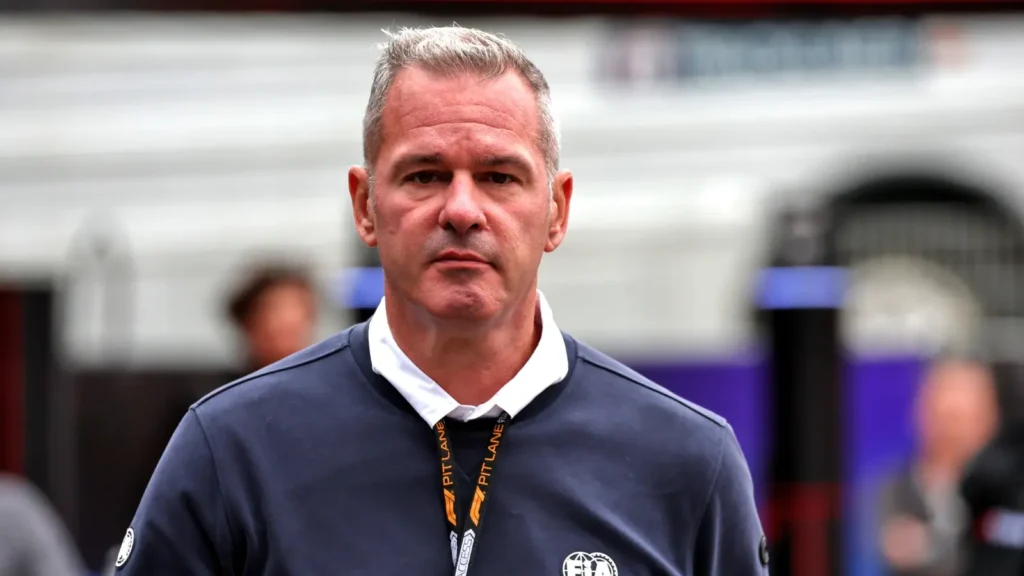
However, Wittich, who replaced Masi jointly with Eduardo Freitas before holding the rolo solo until 2024, defended his predecessor in a rare moment.
“From my point of view, Michael didn’t do that much wrong,” the German told Formel1.de. “The regulations didn’t strictly define everything. What he did was within his authority. He had a certain level of discretion in how to deploy the safety car.
“One key factor was that teams, FIA, and Formula 1 had all agreed – over many meetings – that races should, if possible, finish under green flag conditions. Nobody wanted a race ending behind the safety car.”
An inevitable upset
Wittich went on to say that any driver would’ve faced a disadvantage from any intervention. With the FIA and F1 wanting a green flag finish, Masi was trying to fulfil that wish.
“In Abu Dhabi, the situation was such that any intervention would have disadvantaged someone. You could have red-flagged the race – but that requires specific conditions like danger to personnel or a blocked track. That wasn’t the case. So, the red flag wasn’t really an option.
“Then came the lapped cars question. Initially, he said they wouldn’t unlap themselves, then he allowed it – but modified the usual procedure by not waiting an extra lap. That was within his authority under the regulations at the time.
“He essentially did what everyone had agreed upon: create one final racing lap. It produced a spectacular finish, an overtake, a winner and a runner-up. It could have gone the other way just as easily. That’s sport.”
Consistency is key
Races finishing under a safety car aren’t new to the world of F1. However, fans consistently complain when the tension of the final laps and potential race-winning overtakes are halted by a late safety car.
Abu Dhabi was unique as Hamilton and Verstappen came into the finale level on points. The tense season-long battle was coming to a head in the most anticipated race of F1 in years. In Wittich’s view, the decision reinvigorated a ‘dull finale’.
“A late safety car is always controversial. Fans don’t like it if it decides the race – but that applies everywhere. Whether it’s lap one or the final laps, someone gains, someone loses. That’s part of the sport.
“The Abu Dhabi race itself had been quite uneventful until Latifi’s crash. Without that, it would have been a straightforward, perhaps even dull finale. But because of the incident and the intervention, it suddenly became decisive, and that upset one group of fans or the other.”
Precedent is important when the FIA makes a decision to halt races or impose penalties. The inconsistencies are where the FIA picks up the most criticism from fans and teams alike. The lack of precedent in the Abu Dhabi situation left Masi with few options if the FIA wanted a green-flag finish.
“People later said, ‘You could have red-flagged it, you could have done this or that.’ Yes, you could – but those would have been inconsistent decisions compared to earlier races. And consistency is key.
“In meetings with the teams in early 2022, I asked them directly: ‘Do you want us to red-flag every minor incident?’ They said no. ‘Do you want different rules for the final race?’ Again, no.”
In Wittich’s view, the blame couldn’t be placed entirely on Masi as ‘a championship isn’t decided in one race’.
“A championship isn’t decided in one race alone. Points lost earlier in the season matter just as much. Both Hamilton and Verstappen had chances to secure the title earlier.”
Michael Masi discraced
The FIA held an inquiry into the race after the incident. They found that the application of the rules was incorrect and attributed it to “human error”, which led to Masi leaving his role. It equally increased the negative media attention and led to the ex-director receiving death threats.
Wittich admitted he was disappointed that the FIA abandoned Masi after the incident, effectively throwing him to the wolves.
“After the investigation following Abu Dhabi, the conclusion seemed to be that Michael had to go – essentially finding a scapegoat,”
“What was really disappointing – for me and many colleagues – was the lack of support from the FIA for Michael. That’s something that needs to be clearly criticised. Everyone knew that in extreme situations, you’d be left on your own.
“In the past, under Charlie Whiting, there was always backing from FIA leadership – Max Mosley stood firmly behind him. That support wasn’t there anymore. It still isn’t. That’s one of the reasons I’m no longer a race director in Formula 1.
“Whatever happened, there was no proper discussion, no backing for employees. And that’s the worst takeaway from that whole situation.”
Abu Dhabi 2021 is frequently cited as one of the biggest controversies in recent years, and Masi is viewed as solely responsible. It’s left the season’s results continually contested by fans and the media, and it still affects F1 to this day.
While Masi escaped F1 and now works for Motorsport New Zealand, his decision lives on in the sport as one of the most talked-about and controversial moments in its recent history.
READ MORE – George Russell makes crucial FIA statement as ‘positive’ F1 talks held






Discussion about this post