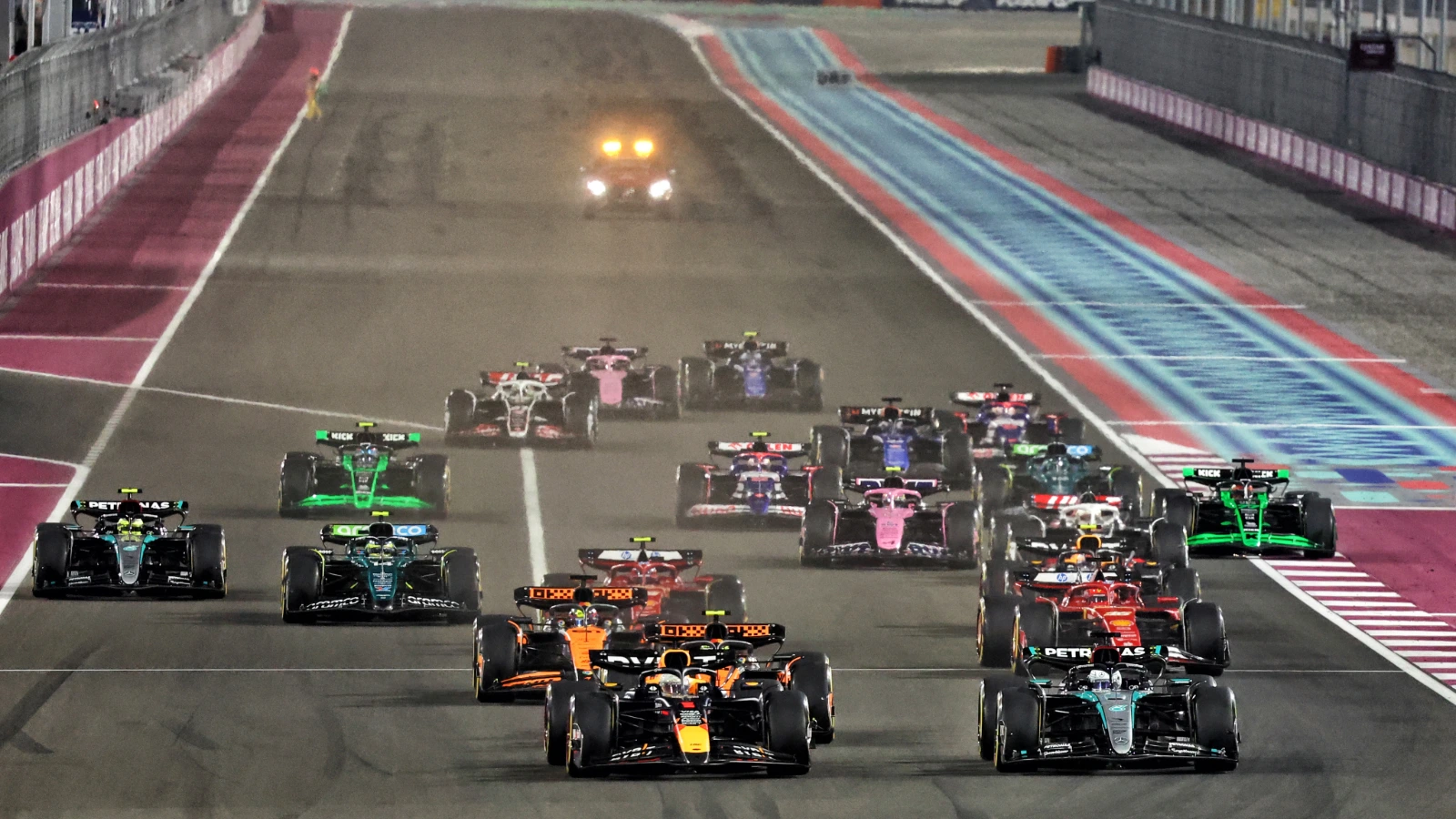
Fans often ask why top drivers hold back when it comes to making a pass. The answer has to do with a mix of high-speed physics and quick risk assessment.
This article digs into what really influences a driver’s decision to back off from a move and how you can chase that same thrill online.
Formula 1 is the top of the line when it comes to motorsport, showing off insane speed and some incredible technology. Watching the cars feels like they’re dancing on the edge of control. Some drivers hesitate to overtake, but it’s a smart move.
They’re always trying to balance a bunch of info, quickly figuring out what’s risky and what’s worth it. Figuring out why they decide not to overtake gives you a glimpse into the real complexity of their sport.
Overtaking is always a gamble
Committing to the pass is a huge risk for drivers. This decision matrix is a form of chicken game gambling, not unlike placing a high-stakes bet in an online casino. The potential payout is tempting, but the odds of losing everything are equally real.
That thrill is something online casino players know a lot about. A poorly placed bet can cost you a jackpot. For Formula 1 drivers, a botched overtake can mean punctured tires, broken suspension, or retirement.
Then there are the stewards. A move deemed too ambitious can result in a time penalty that ruins a result far more than staying in place would have. Drivers have to know when to hold back. Charles Leclerc’s brake issues and late overtake in Bahrain 2025 were a perfect example. He had the pace but issues with the car held him back.
Aerodynamics create a dirty-air problem
The most immediate physical barrier is something you cannot see – turbulent air. A modern Formula 1 car is essentially a wing turned upside down, using aerodynamics to generate massive downforce.
This force pins the car to the asphalt, allowing those breathtaking cornering speeds. But this system is fragile. When following another car closely, the leading car disrupts the smooth airflow. The pursuing car then plunges into this “dirty air,” which drastically reduces the efficiency of its own front wing and floor.

The result is a significant loss of downforce, making the car feel loose and unresponsive. It understeers wide, and the driver loses confidence in their ability to stick the car where they want it. You can see how this challenge is quite like a crash game in an online casino.
Defensive driving is an art form
The driver being attacked is not a stationary obstacle. They are a highly skilled participant in this duel, actively working to shut the door. Defensive driving is a precise art. A defender will line their car up on the best racing line and the attacker will go the slower, tougher route.
They may move over and block the inside line to give the chasing driver more room to try a trickier pass on the outside.
The rules allow for just one defensive move in the braking zone, and the Formula 1 fans vote on the drivers who complete the best overtakes. They make the overtake appear so difficult, so fraught with risk, that the pursuing driver’s only logical choice is to abandon the attempt and wait for a better moment.
Racing lines dictate strategy
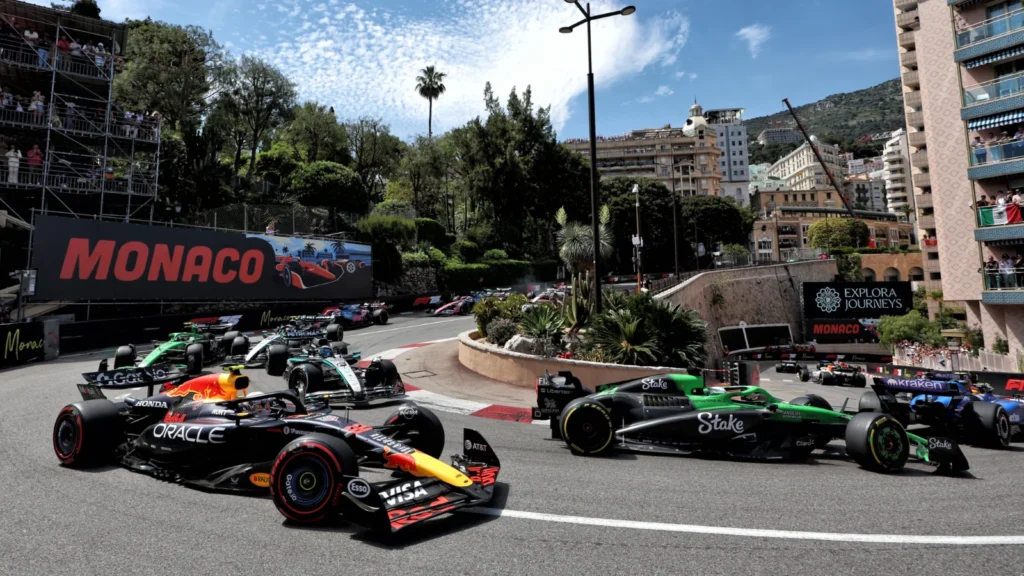
Every corner has a single fastest way through it, known as the racing line. To complete an overtake, a driver must leave this line. A classic “dive bomb” move is when a driver brakes late and cuts to the inside of the corner.
The downside is that this can mess up their speed coming out of the turn. This gives the driver they’re trying to overtake a chance to get in behind them, use their better exit speed, and slipstream back to reclaim the position on the next straight. This is what’s known as a switchback.
Just like a driver aims for the best racing line, an online slot player looks for the payline to win. A payline is the path, whether horizontal, diagonal, or zigzag, where matching symbols land to trigger payouts.
While some players might bet on just one high-paying line, they could miss other wins, much like getting overtaken in a race. To boost their chances, many players activate multiple paylines, increasing their total bet per spin for more opportunities to win.
The psychology of calculated risk
These drivers are among the most competitive people on the planet. But they are also professionals operating under extreme pressure. They’re always trying to find the right mix between being aggressive and playing it safe.
A driver’s reputation really counts; if they get a rep for crashing a lot, it can really affect the choices made by future team members and the overall vibe of the team.
When someone narrowly pulls off a smart pass, it can really boost their momentum. The internal calculus is relentless. Is this move for a championship point or a race win? What is the condition of my tires compared to theirs? How many laps remain?
The decision to back out is rarely about fear. It is about intelligence. It is the understanding that to win the war, you sometimes must surrender a single battle.
The next time you see a driver lift off from a potential overtake, you’ll see it differently. It’s a lot like playing your favourite online casino game.
Except, rather than just managing their strategy, they’re managing physics as well. That decision to wait is what separates a reckless driver or player from a winner.