
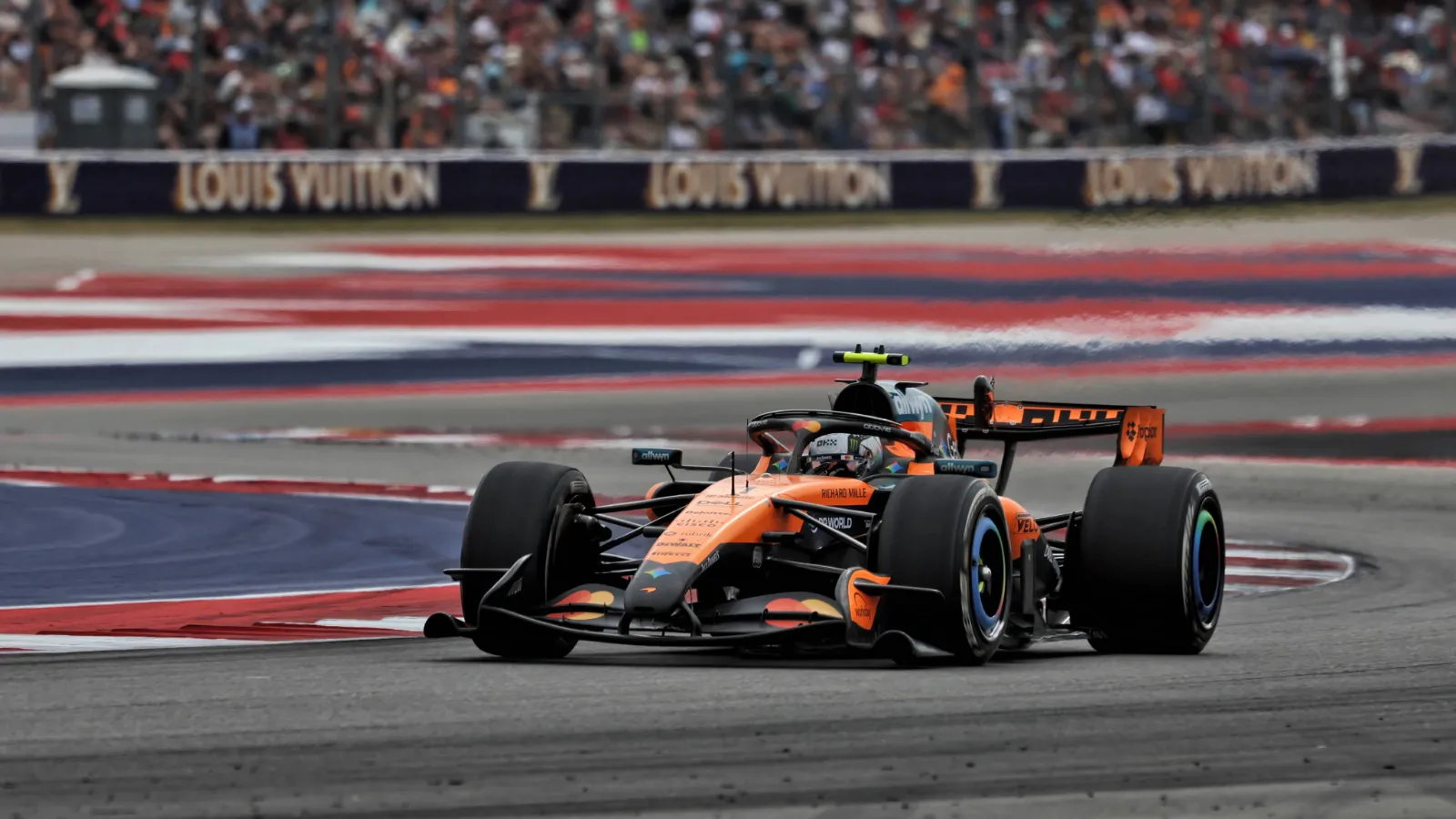
McLaren will bring further upgrades to its 2026 car in Brazil and Las Vegas, team principal Andrea Stella has confirmed, as the team tries to halt a slide that has dropped it to fourth in the Constructors’ Championship.
The reigning champions looked to have turned a corner after a slow start to the season, when a major upgrade at the Hungarian Grand Prix helped Lando Norris to back-to-back wins in Budapest and Zandvoort.
But since Norris took pole in Madrid last month, McLaren has fallen behind its rivals, with Red Bull’s resurgence pushing it down the order.
Stella said little new would arrive for this weekend’s Mexico City Grand Prix, but that more parts were on the way.


“There will be some more stuff coming,” he said. “I think ultimately we will only be able to do so across Brazil and Vegas. So Mexico there won’t be very much, but Brazil and Vegas there will be some upgrades.
“Hopefully, this will help us to, like I said before, to be consistently in the fight for podiums and hopefully start to lean on the level of competitiveness that is required to fight for the victory.”
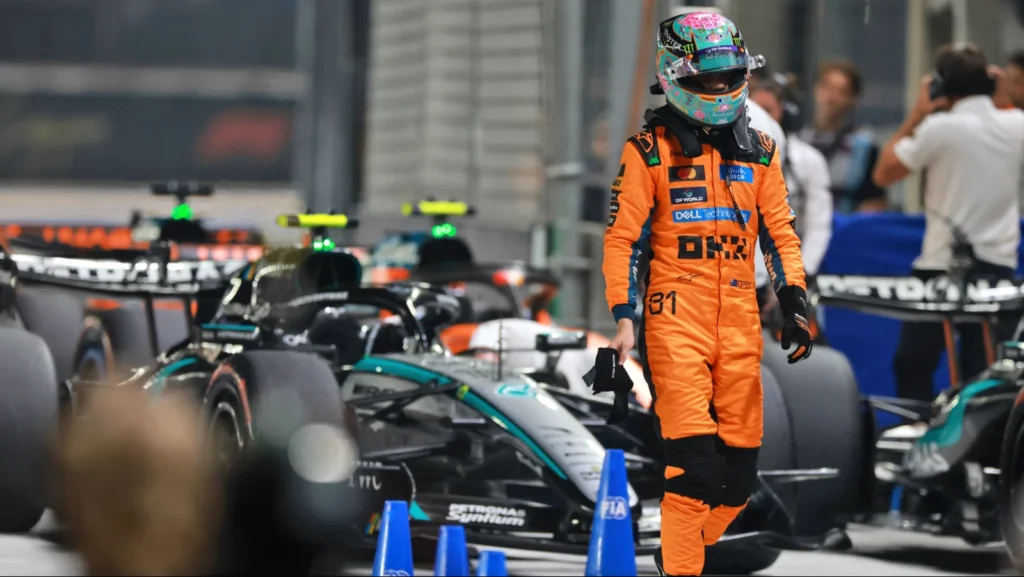
McLaren drivers aim”to keep pushing”
Oscar Piastri, who has not finished on the podium since the Miami Grand Prix in May, said McLaren’s recent updates were working, but were being outpaced by the development of the teams around it.
“I don’t think we’re massively strong at the moment,” Piastri said. “Obviously, we had a few upgrades this weekend, which are doing what we expect, but clearly the teams around us are adding performance to the car.
“It looks like Mercedes are much more on top of their upgrades now. The Red Bull is obviously quick, and Ferrari has some upgrades as well.
“So yeah, we’ve got to keep pushing. But none of these upgrades are really making the car easier to drive, which is kind of our biggest problem.”
Norris agreed that McLaren now has the fourth-quickest car. He identified slow-speed cornering as a weakness the MCL40 has carried over from its predecessors, despite this year’s sweeping regulation changes.
“You hope that you put something on and it’s magical, and you go a lot quicker, and you’re fighting for a podium, all of a sudden things are all working as they should,” he said. “But Ferrari brought upgrades, and other teams are still bringing in upgrades.
“So they’re delivering. It’s just not really in all the places that we need them to. Like the slow-speed corners, we’re just nowhere near at the level we need to be. We need a lot more rear and slow speed. It’s been our issue for a long time now. It seems to be very hard to tackle, but we’ll keep working.”
Slow-speed rear grip is among the hardest problems to fix on an F1 car because the solutions tend to cost performance elsewhere. At low speed there is little aerodynamic downforce, so traction depends largely on mechanical grip: how the suspension manages weight transfer to the rear as the driver gets on the throttle.
Softer rear springs or dampers, or a more open differential, can help a car rotate and put power down out of slow corners. They can also leave it unstable and unpredictable through high-speed sweeps, where a firm, consistent platform matters most.
With the power now split a 50/50 between the combustion engine and the electric motor, and with the MGU-H scrapped, energy can only be recovered through the rear axle under braking. This makes delivery out of slow corners harder to smooth out, asking more of rear tyres that already have little grip to work with.
That the weakness has survived a complete regulation reset, as Norris pointed out, suggests the root cause lies in McLaren’s own design concept rather than any single set of rules.





Discussion about this post