
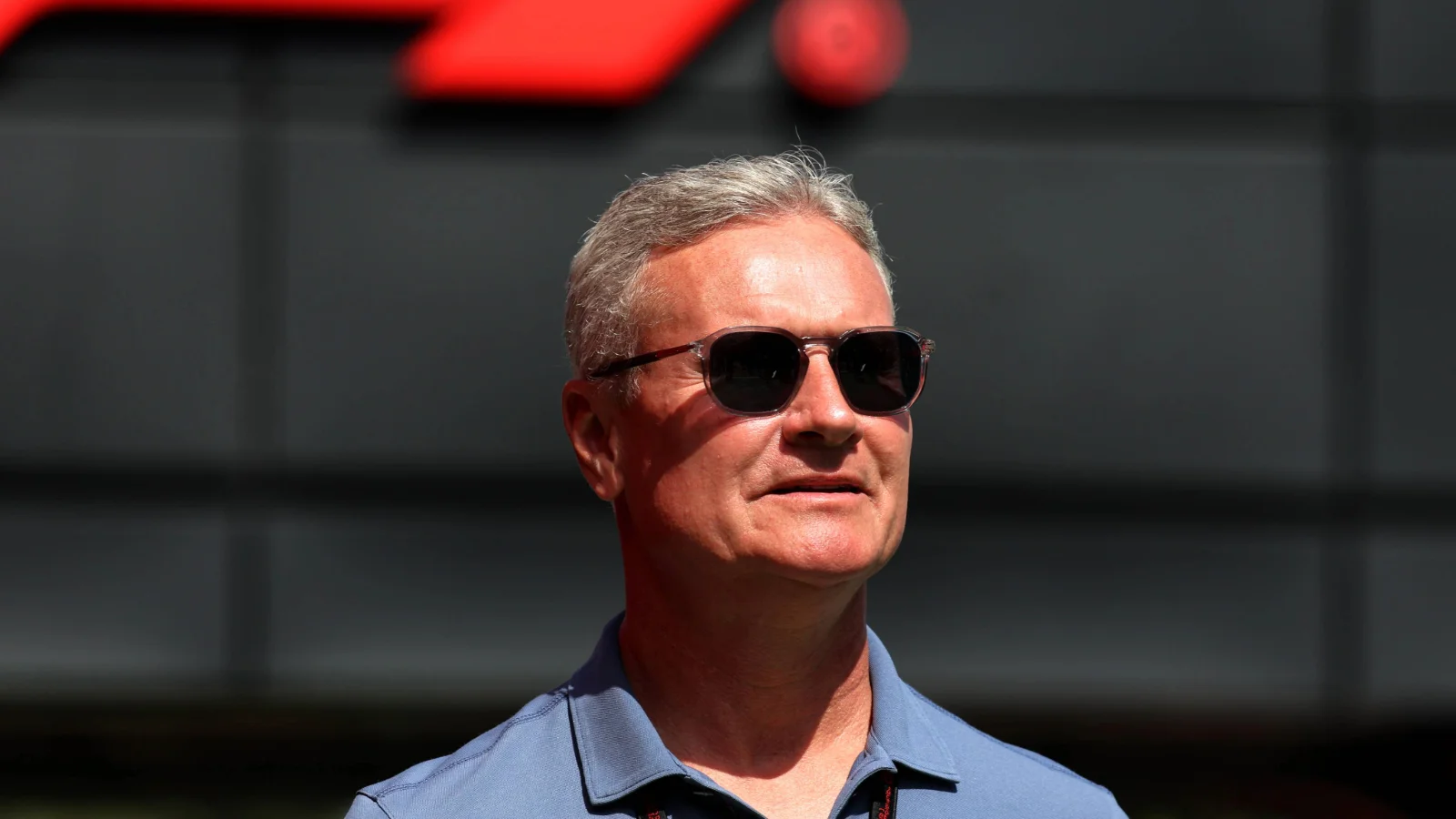
David Coulthard admitted he believes changes are needed to the Formula 1 regulations on battery charging and harnessing, especially with certain tracks coming up on the calendar.
F1 has come under significant scrutiny since the season began, with plenty of criticisms aimed at the new regulations.
One specific concern voiced by many drivers has been around the speed difference between cars harvesting and those which aren’t.
Ollie Bearman’s accident at the Japanese Grand Prix was a prime example, as the need to avoid Franco Colapinto caused him to swerve his Haas, sending him skidding into the tyre wall at high speed.


This initially led to a damning takedown from Carlos Sainz, who insinuated that previous concerns voiced by drivers went ignored.
Coulthard has extended onto this particularly issue, expressed concern about the potential danger at circuits such as Spa-Francorchamps.
Such a circuit, with limited corner visibility, could make the racing perilous, with cars closing on opponents quickly while using their battery.
“There are certain corners that almost should be exempt from being able to harness. Because you’re just so used to them,” Coulthard said on the Up To Speed podcast.
“Like up through Eau Rouge in Belgium. One of the most iconic corners in the world, there are points where you cannot see as you go over the rise if there’s a car on the other side.
“So it should be exempt from being able to harness.”
Colulthard continued by reasoning that drivers’ safety could come under an increased percentage of risks.
“I don’t know why they would, but by way of example, you just can’t catch people out. With a closing speed of 30/40 miles an hour, that’s just very dangerous,” the 13-time Grand Prix-winner said.
The 2026 overhaul of regulations has faced a slew of criticism since the season began. With comments comparing F1 to Formula E from Max Verstappen to Charles Leclerc, saying the days of ‘crazy laps’ in qualifying are gone, the criticism has ranged from mild entertainment value to major safety concerns.
The danger of the new regulations
Bearman’s crash saw him particularly alarming numbers, the Englishman hitting the wall with a 50G impact and was caused by a speed difference of around 50kph to Colapinto, who was harvesting at the time.
This is what prompted Coulthard to urge that corners like Eau Rouge should be ‘exempt’ from any engine deployment.
However, that wasn’t the only criticism the ex-driver had for the new regulations. One of the biggest issues he noted was that while there were more overtakes, the racing hadn’t improved.
Instead, the ability to use their battery to help overtake had led to less fighting among cars and more endless passing and repassing. Coulthard goes as far as to say ‘you can’t defend the indefendable.’
“It’s not about how many overtakes, it’s not about how many baskets scored, how many goals. It’s the sense of watching something world-class and spectacular,” he said.
“And this pass and repass, we saw several people overtaking into the chicane, much more than we would normally do in previous Grands Prix there, and then as sure as they’ve got a battery, then it gets deployed on the start-finish.
“There were some exciting, close moments in the first corner. But the overtake is happening. You just can’t defend against the indefendable [sic].”
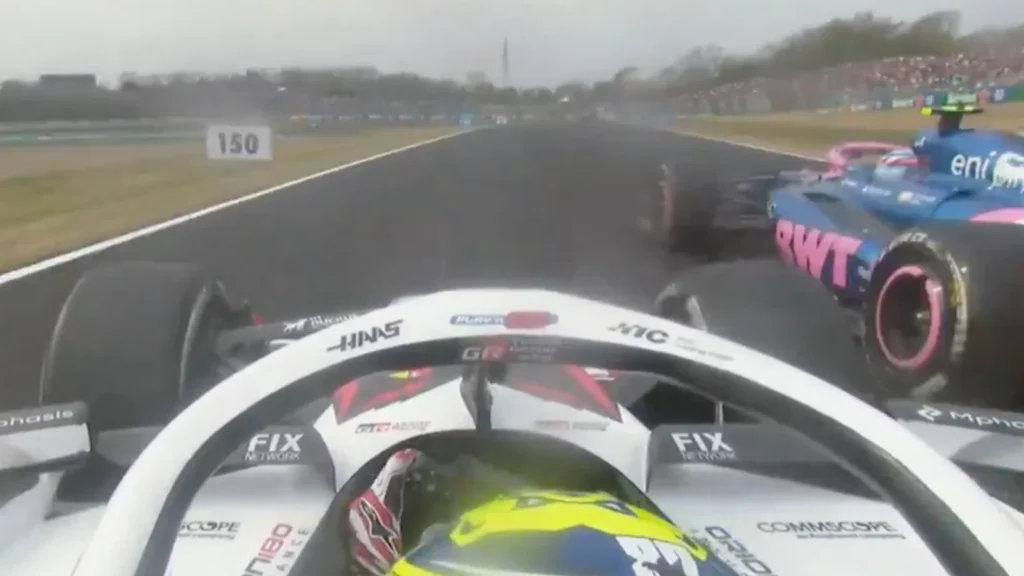

Oliver Bearman’s frightening shunt at Suzuka underlined the dangers of energy harvesting due to the extreme speed differences between cars
A long process
Yet, Coulthard acknowledged that there are always growing pains at the beginning of new regulations.
The FIA changed the qualifying rules in response to Suzuka, allowing drivers to recharge only 8MJ [megajoules] instead of the original 9MJ.
Coulthard hoped that F1 would continue down this road of gradually listening to drivers and making changes.
“It was always going to be a little bit painful to start with when you deploy a completely new set of regulations. But over time, it will improve.
“And we saw the FIA react by changing the harvesting that was allowed during qualifying to reduce the reduction in speed through the high-speed corners.
“But, I want to see a qualifying lap that makes me go, ‘Wow’. Human being and car on the edge of adhesion everywhere. Not on a fantastic harnessing and deployment lap.”
The FIA have begun having meetings throughout April to discuss the regulations. The governing body confirmed after the first meeting that there had been “constructive dialogue on difficult topics”.
Growing pains are natural in any overhaul of regs in a sport as complex as F1, and the most important aspect is the FIA listening to drivers’ and teams’ criticism. With the majority of the grid calling for change and fans constantly critiquing the robotic feel to races, there’s a long way for F1 to go.
READ MORE – Toto Wolff reveals shocking Mercedes plan to fire Lewis Hamilton and Nico Rosberg









Discussion about this post