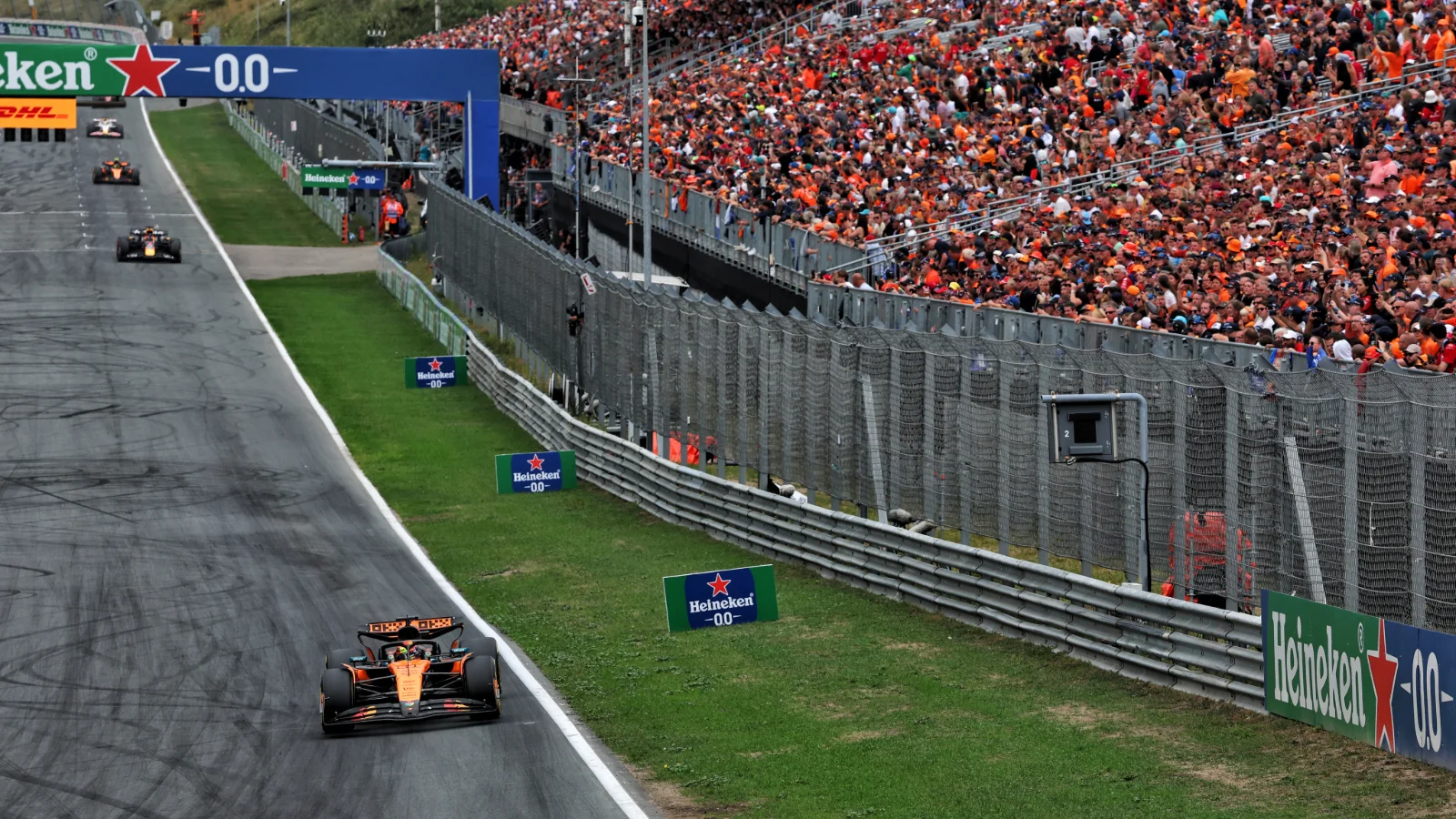
Formula 1 returns after the summer break with the Dutch Grand Prix at Zandvoort on 21-23 August. The weekend carries particular significance as it marks the final Dutch Grand Prix before Zandvoort leaves the calendar, while a Sprint will be held at the circuit for the first time.
Zandvoort is one of the most demanding circuits on the calendar. Its narrow layout, elevation changes, high-speed corners and distinctive banked turns place considerable emphasis on aerodynamic efficiency, car balance and driver precision. Before the current generation of F1 machinery takes on the circuit, here are five cars that became benchmarks for speed in their respective eras.
Five of the fastest and most iconic F1 cars
Comparing Formula 1 cars from different decades solely by top speed can be misleading. Regulations, engines, aerodynamics, tyres and minimum weight have changed dramatically. A more meaningful measure is how fast a car was over a lap and how decisively it performed against contemporary rivals.
Mercedes W11
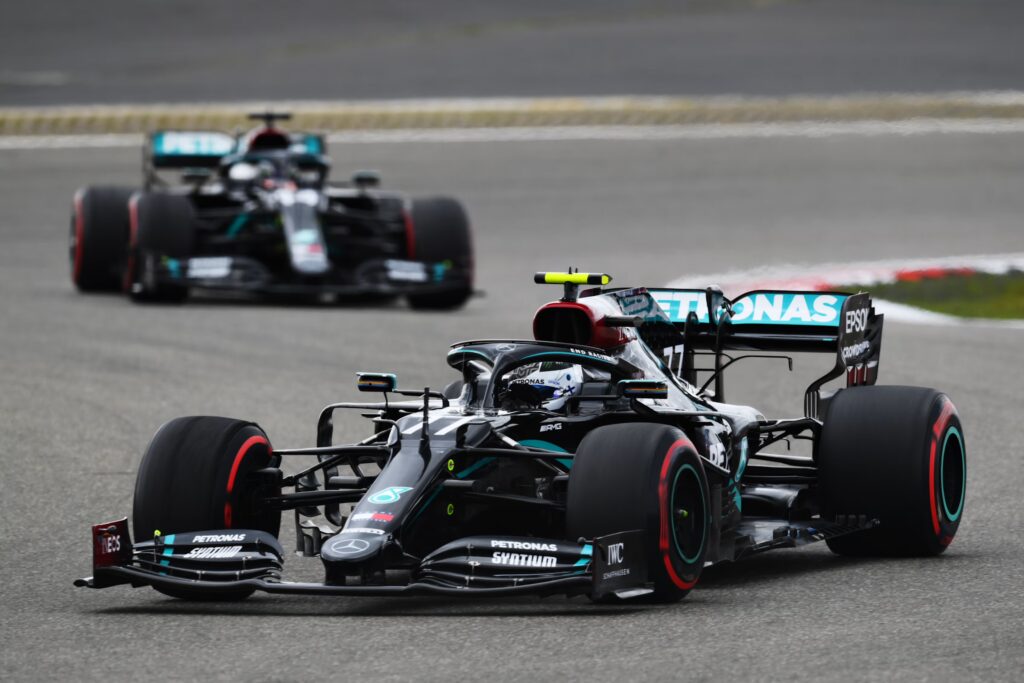
The 2020 Mercedes W11 is widely regarded as one of the fastest Formula 1 cars ever built. Its V6 turbo-hybrid power unit was combined with an exceptionally efficient aerodynamic package, giving Lewis Hamilton and Valtteri Bottas a substantial advantage throughout the season. Mercedes won 13 of 17 races in 2020, with the W11 particularly formidable in qualifying and high-speed corners.


McLaren MP4-20
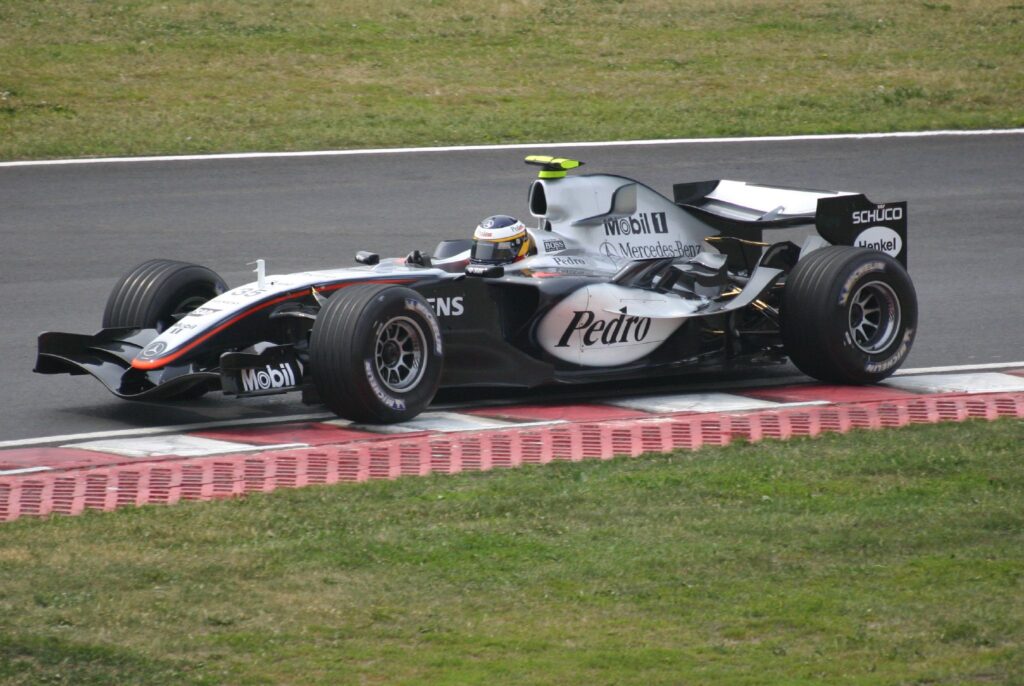
The McLaren MP4-20 represented a very different era. Introduced in 2005 and powered by a naturally aspirated Mercedes V10 capable of operating at approximately 19,000 rpm, it secured ten victories during the season while Kimi Räikkönen remained a championship contender. Pedro de la Rosa also set a 1:31.447 fastest race lap at the Bahrain Grand Prix in the MP4-20.
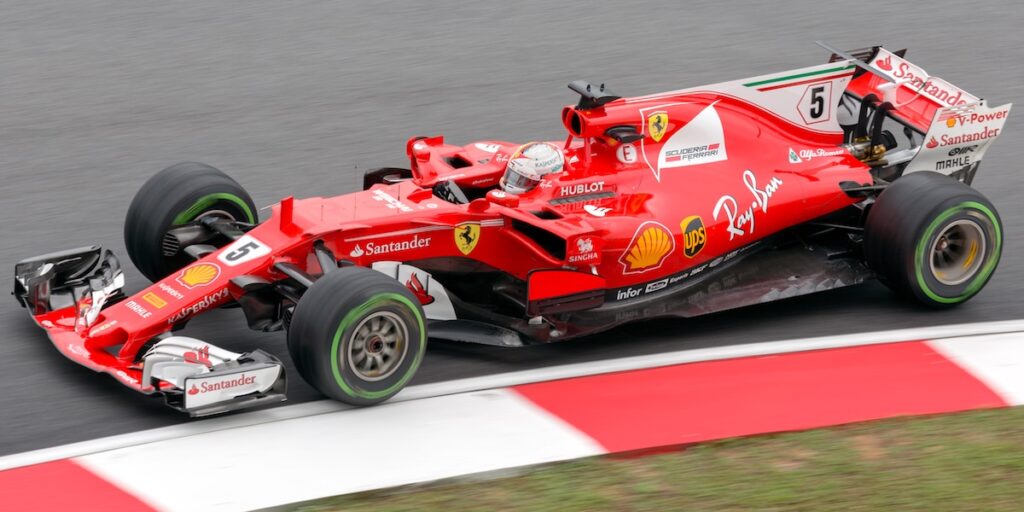
Ferrari SF70H
Ferrari introduced the SF70H in 2017 following substantial changes to Formula 1’s technical regulations. Wider bodywork, larger tyres and increased downforce produced significantly faster cornering speeds. Sebastian Vettel used the SF70H to challenge Lewis Hamilton for the World Championship, winning five races during the season including Monaco.
Beyond motorsport, speed and competition are central to many forms of digital entertainment. The Fortune Tiger slot game, for example, represents a very different type of fast-paced experience, where short rounds replace the long strategic battles seen on a grand prix circuit.
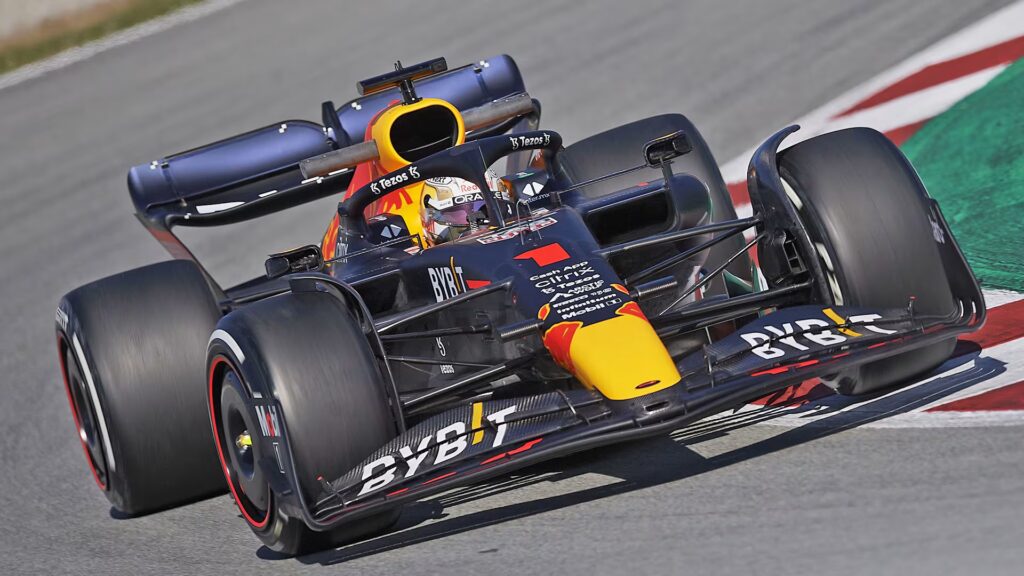
Red Bull RB18
The RB18 was Red Bull’s first car designed for the major aerodynamic regulations introduced in 2022, which restored ground effect as a central element of Formula 1 car design. The concept developed by Adrian Newey’s technical team proved highly effective, combining strong straight-line performance with aerodynamic efficiency and helping Max Verstappen win 15 races and secure his second World Championship.
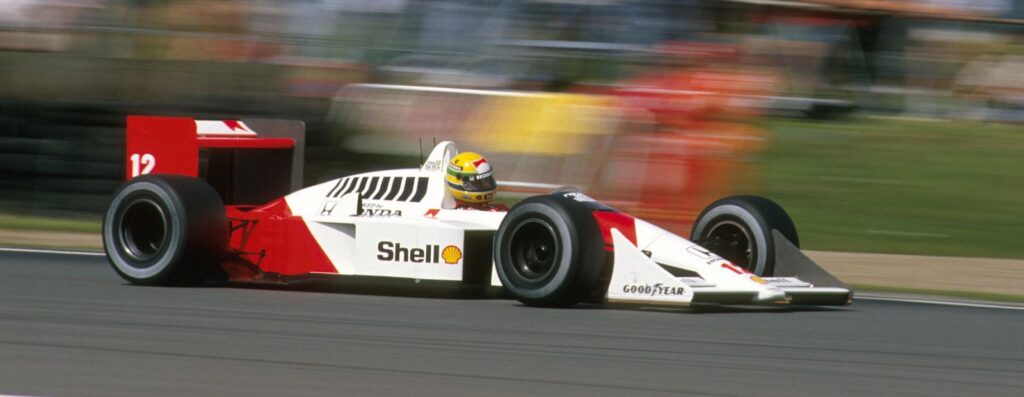
McLaren MP4/4
Few Formula 1 cars have dominated a season as comprehensively as the McLaren MP4/4. Ayrton Senna and Alain Prost won 15 of the 16 grands prix held in 1988, powered by a 1.5-litre turbocharged Honda V6 that combined low weight, a low-profile design and highly effective aerodynamics. Senna claimed 13 pole positions and won his first World Championship.
Mercedes, McLaren, Ferrari and Red Bull remain central to Formula 1 decades after many of these landmark cars appeared. Their modern machines are radically different, but the objective remains unchanged: extracting every possible fraction of a second from the available technology.
Why Zandvoort is such a difficult circuit
Zandvoort measures 4.259km and contains 14 corners, with the grand prix covering 72 laps. The circuit’s combination of a narrow racing surface, elevation changes and limited run-off leaves little margin for error.
Two of its defining corners are the banked Hugenholtzbocht and Luyendykbocht. The latter leads onto the main straight, making a clean exit particularly important for lap time and potential overtaking opportunities. Qualifying is consequently crucial — engineers must generate sufficient downforce for the faster corners without creating excessive drag on the straights. Wind from the North Sea can further complicate matters by changing car balance and carrying sand onto the racing surface.
Exploring a circuit before committing to a setup strategy has its parallels in gaming too. A Wild Bounty Showdown demo allows the mechanics of a game to be explored without the longer preparation required before an F1 team can determine whether a particular setup works on track.
Who can win the 2026 Dutch Grand Prix?
Mercedes enters the second half of the season in the strongest championship position. After 11 rounds, Kimi Antonelli leads the Drivers’ Championship with 219 points. Lewis Hamilton trails by 50 points, while George Russell is 59 points behind. Mercedes also leads the Constructors’ Championship with 379 points, ahead of Ferrari on 307 and McLaren on 220.
The gap has narrowed, however. Ferrari and McLaren improved considerably before the summer break, while Red Bull remains capable of challenging for victories when circuit characteristics suit its car.
Verstappen’s final home opportunity
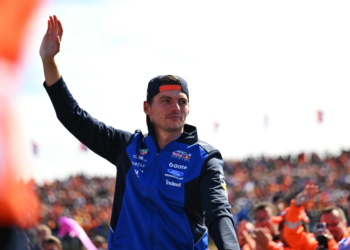
Max Verstappen will inevitably attract much of the attention at Zandvoort. After the circuit returned to Formula 1 in 2021, he won the first three races and subsequently finished second twice. The home advantage effect is well documented across motorsport as well as team sports — a driver racing in front of his own crowd, on roads he knows intimately, carries a psychological edge that can prove decisive at this level.
The four-time World Champion therefore has one final opportunity to win his home grand prix before Zandvoort leaves the calendar. The race also follows Red Bull’s announcement of a new contract keeping Verstappen with the team until the end of 2030.
McLaren should also be considered a serious contender. The circuit has suited the team in recent seasons: Lando Norris won at Zandvoort in 2024, followed by Oscar Piastri in 2025.
Sprint, tyres and weather
The Dutch Grand Prix will use the Sprint format for the first time in 2026. Teams will have only one practice session before Sprint Qualifying, dramatically reducing the amount of time available to refine car setup.
Pirelli has selected the C2, C3 and C4 compounds. High lateral loads and Zandvoort’s banked corners will make tyre management particularly important, while sand blown onto the circuit can affect grip levels. Rain could introduce another variable — on such a narrow circuit, changing conditions can transform the competitive order, placing greater emphasis on tyre warm-up, strategy and the timing of a switch between slick and intermediate tyres.
2026 Dutch Grand Prix schedule
| Session | Day | Time (local) |
|---|---|---|
| Free Practice | Friday 21 August | 13:30 |
| Sprint Qualifying | Friday 21 August | 17:30 |
| Sprint | Saturday 22 August | 13:00 |
| Qualifying | Saturday 22 August | 17:00 |
| Grand Prix | Sunday 23 August | 16:00 |
The Sprint format makes Friday particularly important, as teams will have only one practice session before competitive sessions begin. With points available on Saturday and the main grand prix on Sunday afternoon, there will be little time to correct setup mistakes once the weekend is underway.
Conclusion
The final Dutch Grand Prix at Zandvoort brings together several major storylines. Mercedes must defend its championship advantage, Ferrari and McLaren are closing the gap, while Verstappen has one last opportunity to win in front of his home crowd.
With only one practice session, a Sprint, demanding tyre management and the possibility of changing weather, outright car performance alone may not decide the weekend. At a circuit where small mistakes carry significant consequences, qualifying execution, strategy and driver precision could ultimately determine the final winner at Zandvoort.