
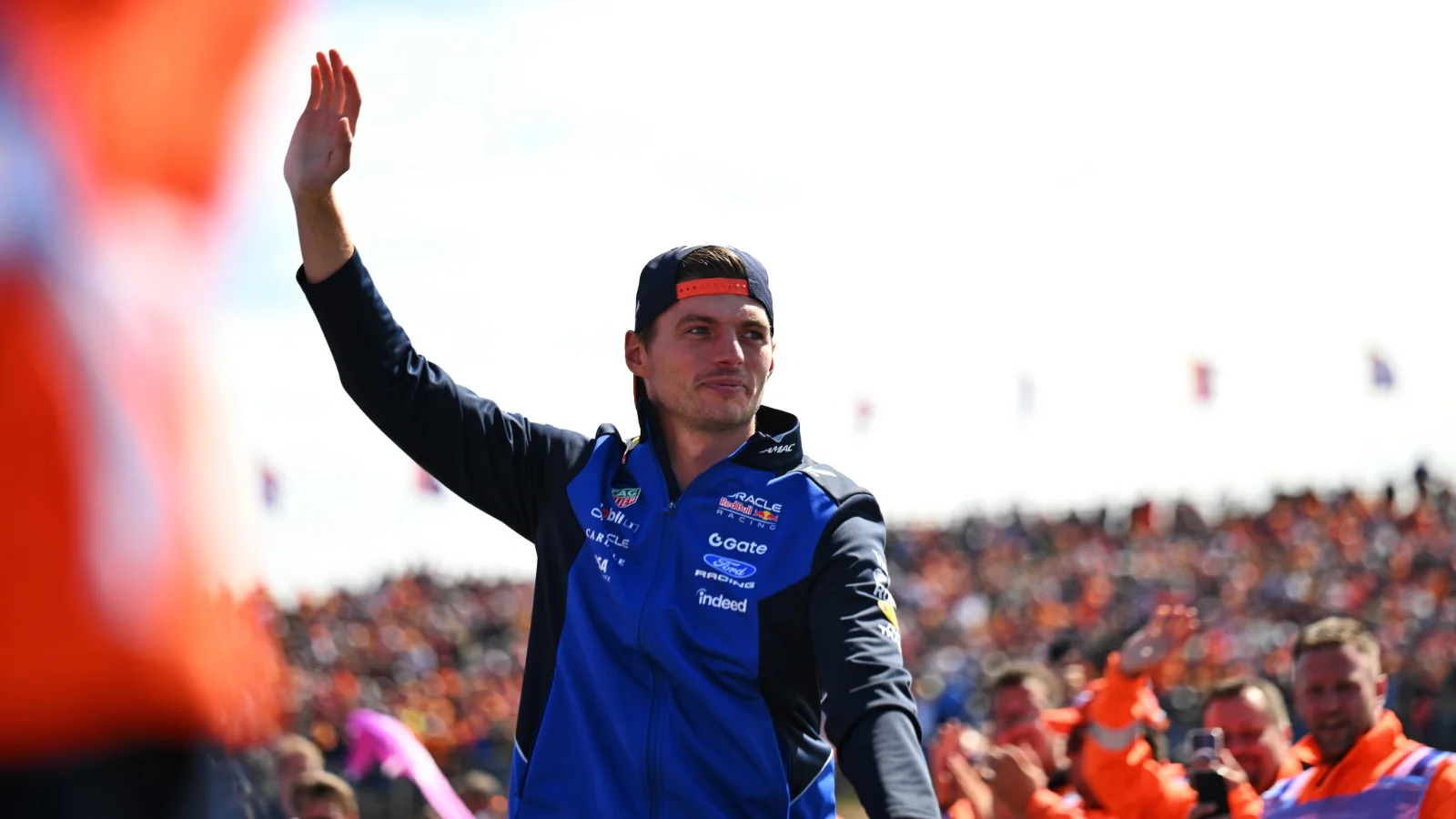
Motorsport Week takes a look at what might have motivated the decision from Max Verstappen to remain with Red Bull until the 2030 Formula 1 season.
Max Verstappen is not a man who can fake excitement.
A Marmite figure, he may be, but Verstappen, like him or loathe him, should be respected for never resorting to PR fluff and word salad. What you see is what you get. There are heart-on-sleeve emotions, sure, but it’svery rare to see Verstappen convey a sense of child-like enthusiasm.
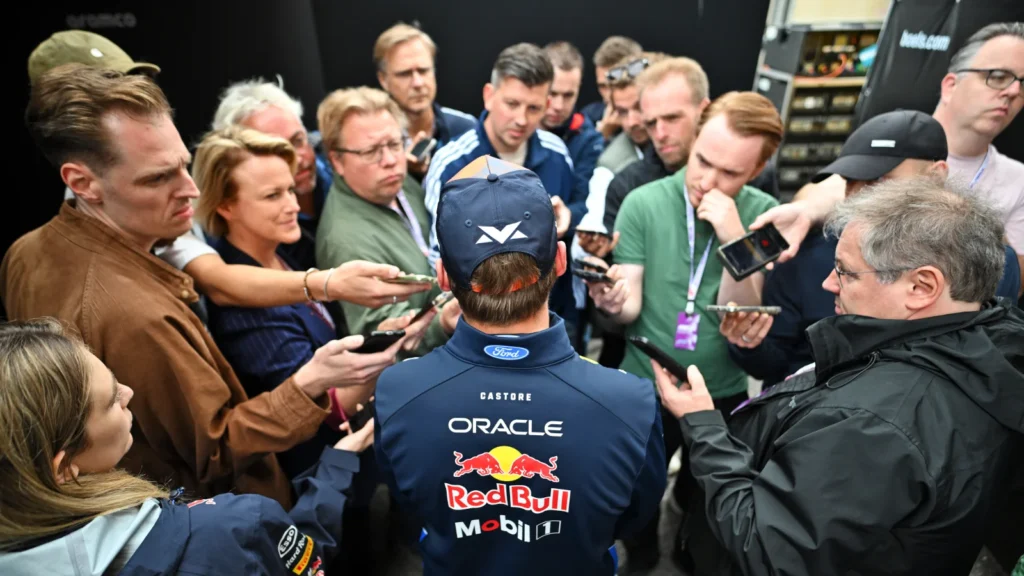
So when he sat before what felt like the entirety of the world’s F1 media at Zandvoort upon announcement of his seismic new Red Bull contract, it seemed somewhat out of character for him to look like so cheerful, and possess the body language of a man who, ironically, has enjoyed too many Red Bulls.

A man of chronic cynicism would say that maybe he was smiling because of the worth of this contract. Various figures have been reported, but either way, he could turn it into coins and dive into it off a platform like Scrooge McDuck.
Now, if someone offered us that sort of money to drive something currently unable to challenge for victories on a consistent basis, we’d happily swing that cash around in a burlap sack with a dollar sign on it and maybe even drive the car itself to the bank, to which we would be laughing. But Verstappen is not a man motivated by money. He is driven by the prospect of having a machine under him that would help him win more races and more championships. Right now, Red Bull, is not in that position, but what might he know that we don’t?
The end of the Christian Horner and Helmut Marko – which built Red Bull from midfield no-hopers to World Champions – saw a plethora of high-profile personnel head out of the door of the Milton Keynes base at a such a rate, they might as well have exited on a Generation Game-style convey belt. This trend has also continued since Horner and Marko were themselves no longer involved, perhaps the most high-profile [soon-to-be] exit is Verstappen’s race engineer, Gianpiero Lambiase, who is heading to McLaren. Across the summer, Red Bull has, however, managed to attract a few new faces, and if Verstappen was not impressed, he’d haveprobably told them. His vision for Red Bull’s vision must be, to some extent, aligned with the team’s.
Verstappen, in the in-house Red Bull press conference to discuss his new deal – which takes him through to the end of 2030 – he talked about the team being his “second family”, a phrase he has used before. Whether there is no Marko, or no Horner, there is a sense of wishing to continue with the same team throughout the remainder of his career if possible. The talks were McLaren were, from what I understand, far from performative or a tactical power move – he would have left if he had felt it was best for him. But the pros and cons he weighed up must have sent him down a road that took him home to Milton Keynes, rather than a new one in Woking.
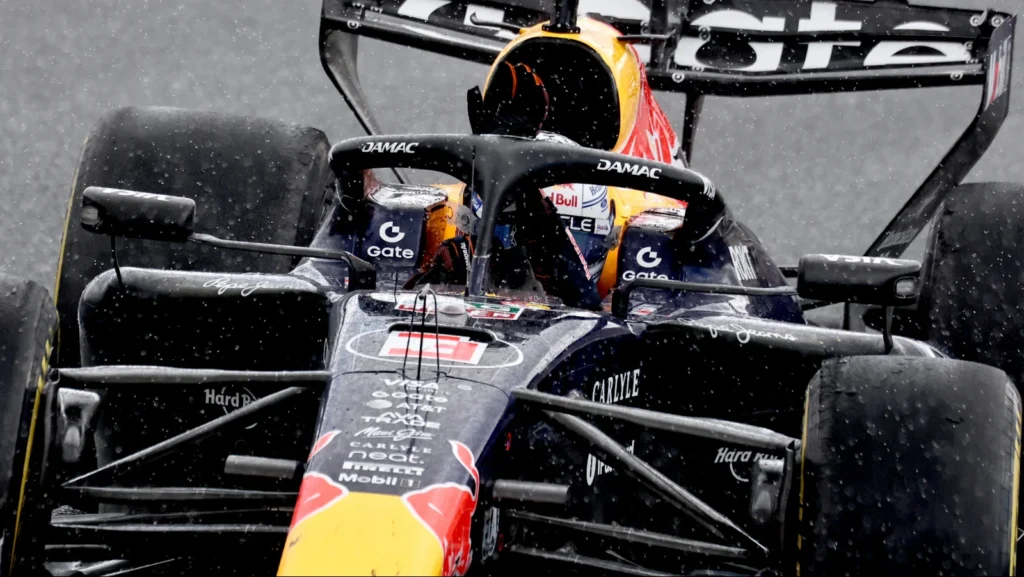
Is Max Verstappen aware of a Red Bull revitalisation?
No one is bigger than a team; a driver is a resource, and resources can be replaced – unless you are Verstappen. The hole the Dutchman would have left behind would have been more akin to a gaping chasm found in an Arizona canyon. So, if it’s not loyalty that has kept Verstappen racing for Red Bull, has he seen something that makes him believe Milton Keynes is a better place than Woking?
Belief is almost as important as lap time in F1. There can only be one world champion and one Constructors’ champion, and every top team believes that they have the approach, guile and technical vision to rise above their peers to take the top prize. For a team, sharing this vision is essentially like a good old-fashioned front door pitch from a carpet salesman from the 1980s, only without the horrific brown suit and smile that would rival Heath Ledger’s Joker. They must convey the vision and technical mastery of regulations so well that a driver is swayed.
Like the carpet salesman attempting to persuade you that chocolate coloured,100% Polyamide carpet will add a new layer of desirability to your home [google this, we dare you], a team has to convince a current, or prospective driver that their career will be aided by extending their contract or joining for the first time. The images of Laurent Mekies in a 1980s brown suit aside, he has faced an uphill challenge. Verstappen despises the technical regulations in their current form and has watched as Red Bull has fallen away from the front of the field.
Returning to the question of whether there is something Verstappen knows that we don’t, the answer is most likely a resounding yes. Red Bull Powertrains is in its infancy on track, and it has done a phenomenal job. Yes, there are teething troubles; yes, it is lacking grunt, but for year one, it is a very respectable effort. Verstappen has the advantage of seeing this fledgling enterprise up close, and more crucially, what is in development. Technical power unit development is a notoriously secret business, so expect no detail on how this area impacted his decision to stay at Red Bull.
Stability may also have played a part. Red Bull has haemorrhaged key personnel in recent seasons, though this seems to have now ceased. The new management at the team is now fully cemented, and morale has improved, to the point that Verstappen now feels comfortable with their approach and vision for the future. This is the first season in a while that issues haven’t arisen against its team principal, or a high-profile departure has caused instability within the ranks. Now the dust has settled it is obvious Verstappen is excelling again, and believes enough to sign on the dotted line.
Verstappen’s excitement suggests he’s seen something in Milton Keynes that has him rubbing his hands together with glee. Hopefully, on this occasion, the sale pitch and end product are as good as promised.
READ MORE – Max Verstappen to hunt down 100 drivers in Silverstone karting spectacle




Discussion about this post