The 2026 Formula 1 season is shaping up to be one of the most compelling in years — not simply because of dominant performances, but because everything that looked settled at the start of the year has already been turned on its head.
Nineteen-year-old Kimi Antonelli currently leads the championship having won five of the first ten races in his debut season with Mercedes. New regulations have reshuffled the competitive order in a way the sport has not seen for several years, and the battles in both the Drivers’ and Constructors’ championships are genuinely open.
For fans who follow the sport through platforms like 1xBet as part of how they engage with each race weekend, understanding the key dynamics of this particular season makes every qualifying session and race considerably more absorbing. Fourteen races remain in the calendar, running through to December.
Tip 1: Follow the regulation reset, not just the results
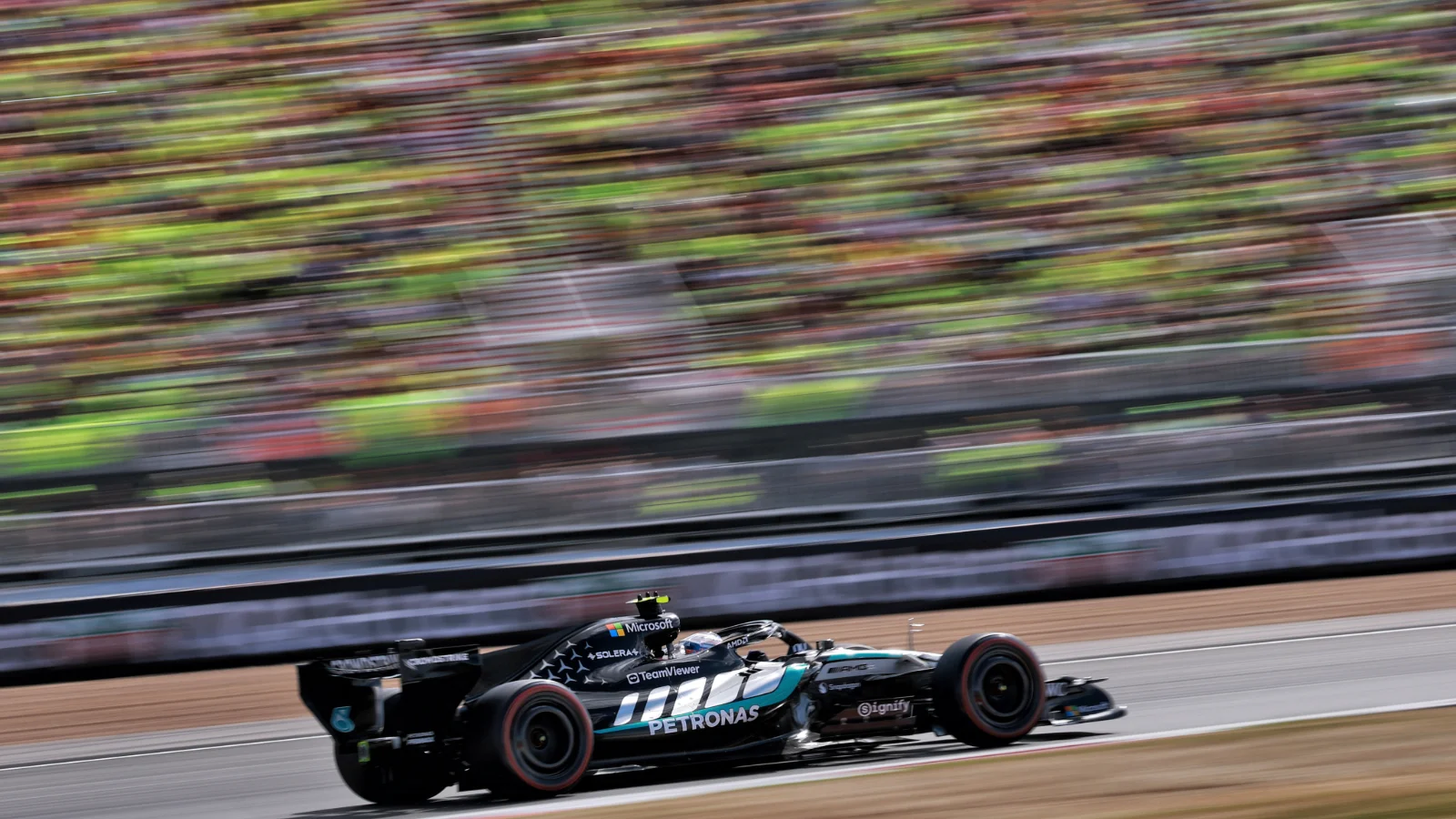
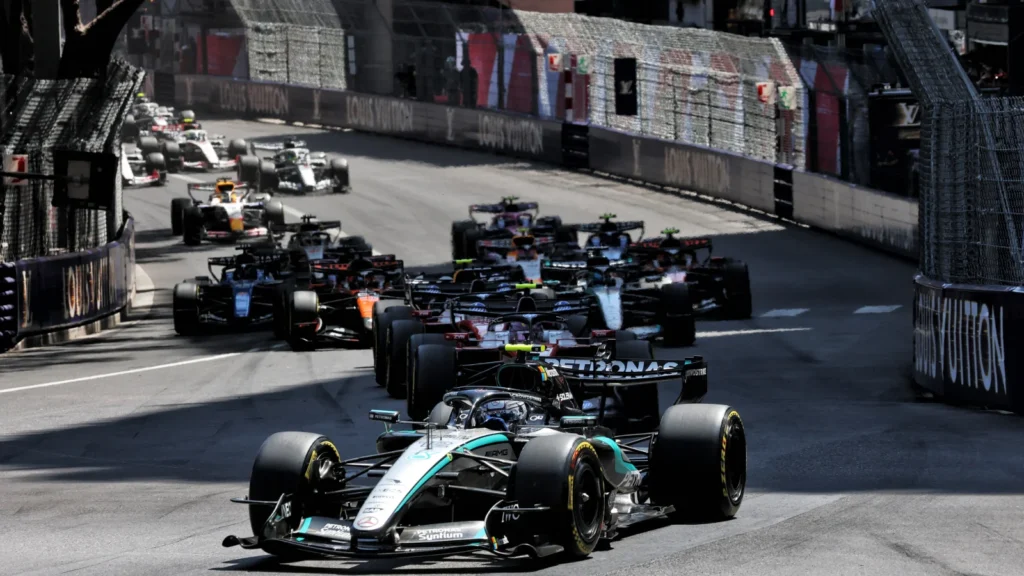
The defining feature of the 2026 season is that every team effectively started from scratch under entirely new power unit and aerodynamic regulations. The competitive hierarchy has been rearranged in a way that has not happened for many years. Mercedes, who had been off the pace for several seasons, have dominated from the opening round. Red Bull, who won almost everything in 2023 and 2024, are still struggling to adapt.
That reset makes the rest of the season unpredictable in a way that a normal year is not. Car development continues throughout the calendar, and a team sitting fourth in the standings at the summer break can realistically be fighting for second by the final race in Abu Dhabi.
Tip 2: Understand how a race weekend actually works
A Formula 1 race weekend runs across three days and contains multiple sessions, each of which tells a different story about where teams and drivers stand.
Friday practice is the first opportunity to see how the cars behave on the circuit. Saturday qualifying sets the grid in a one-hour session that is often the most intense hour of the weekend. The race itself runs for approximately 90 to 120 minutes on Sunday.
Six weekends in the 2026 season also feature a sprint race on Saturday, adding a second points-paying event to the schedule.
[Note for client: the comparison table showing how a standard weekend and sprint weekend differ was missing from the original file — please supply the content for this section.]
Understanding this structure makes it considerably easier to follow what is happening and why certain sessions carry more weight than others.
Tip 3: Track the championship through the team battle, not just the drivers
Most casual viewers focus on the Drivers’ Championship, but the Constructors’ Championship often tells a more revealing story about how a season is developing. Antonelli leads the drivers’ standings, but the gap between Mercedes, Ferrari, and McLaren in the constructors’ fight is what shapes how teams approach each race strategically.
A team with a large lead tends to take fewer risks. A team chasing from behind is more likely to attempt an aggressive strategy or gamble on tyre choice. Knowing where each team sits in the constructors’ standings at any given point is one of the most useful frameworks for reading race strategy as it unfolds on a Sunday.
Tip 4: Watch qualifying to understand the race
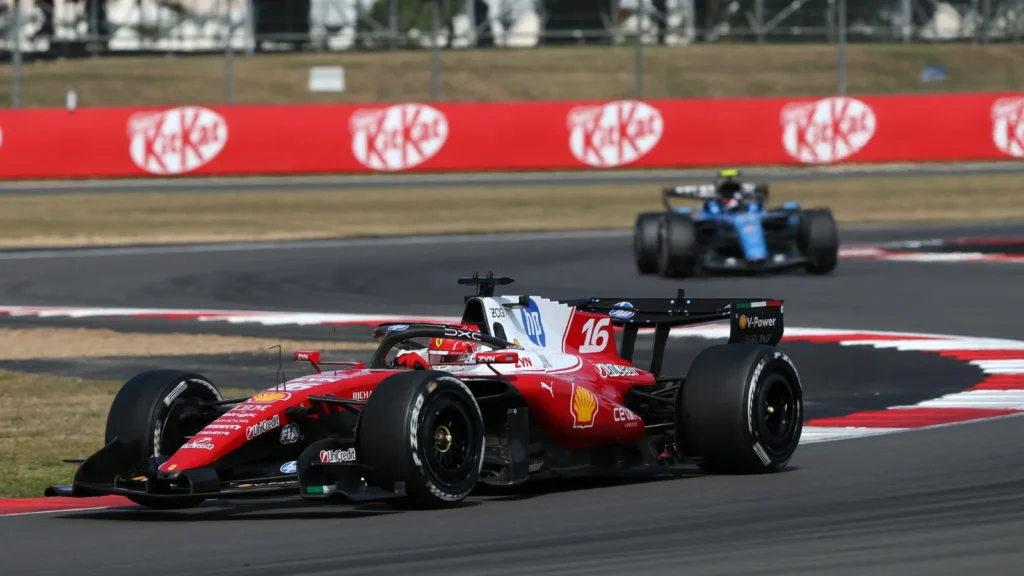
Starting position matters enormously in Formula 1 because overtaking is genuinely difficult at most circuits. A driver who starts from pole wins far more often than raw pace alone would suggest, simply because staying ahead is much easier than getting past. Watching qualifying on Saturday gives a clear sense of which drivers and teams have found performance during that particular weekend — and that knowledge frames Sunday’s race in a completely different way.
Tip 5: Why the 2026 season is worth following through betting markets
The regulation reset has made this season particularly interesting from a betting perspective. Past performance records carry less predictive weight than in a stable regulatory era, and the compressed competitive order means results that would have seemed impossible twelve months ago are now happening regularly.
The key storylines worth following across the remainder of the season include whether Antonelli can maintain his championship lead through fourteen more races, how quickly Ferrari and McLaren can close the gap to Mercedes, whether the sprint format weekends produce different outcomes to standard race weekends, how Verstappen and Red Bull adapt to regulations that have not suited their car, and whether any driver outside the top three manages to win a race in the second half of the season.
Setting a clear session budget before each race weekend and treating qualifying and race day as separate occasions keeps the experience enjoyable across what is shaping up to be a long and unpredictable second half to the year.