The 2026 World Cup will be the largest in history – 48 teams, 104 matches, 39 days, played across three countries. But this is not the first time FIFA has expanded the tournament…
The World Cup grew from 16 teams to 24 in 1982, and from 24 to 32 in 1998. Each expansion changed the shape of the competition and left its mark on the statistics. With the tournament about to kick off in North America, it is worth looking at what past expansions did to goals, cards, and draws – and what the numbers suggest we should expect this time around.
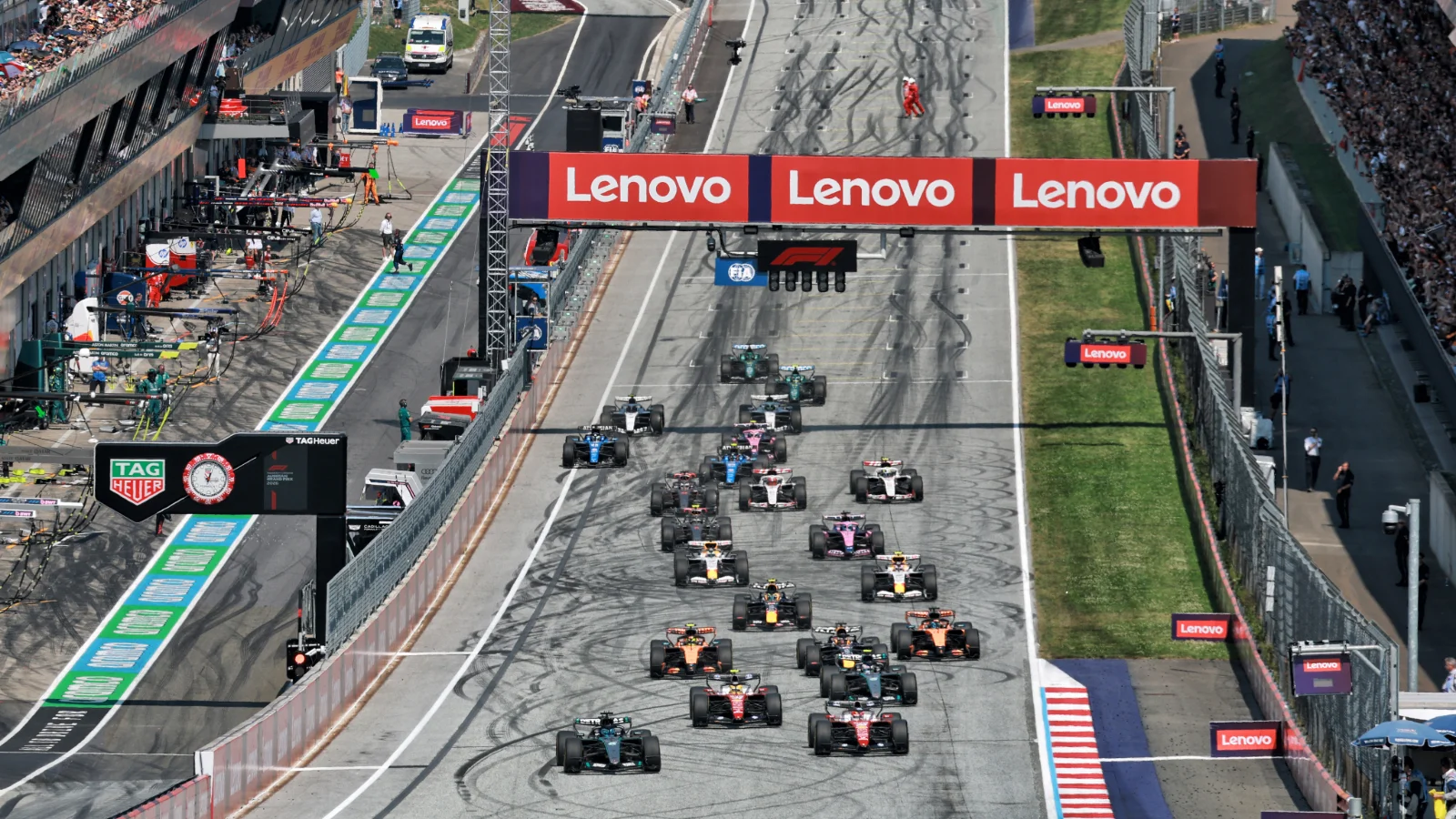
Motorsport fans understand the dynamics of an expanded field better than most. When Formula 1 added new teams in the 1980s and 1990s, the backmarkers changed the character of races without necessarily improving the spectacle. FIFA’s latest expansion raises the same question: does a bigger field produce better football, or just more of it?
What happened to goals when the tournament grew before
History offers a clear pattern. When the World Cup expanded from 16 to 24 teams in 1982, the goals-per-game average held steady at 2.81 – the same as 1978 – before dropping to 2.54 by 1986. The jump from 24 to 32 teams in 1998 followed a similar path. The average dipped from 2.71 goals per game in USA 1994 to 2.67 in France four years later. By Qatar 2022, the figure sat at 2.56 across 64 matches.

The trend is consistent: more teams means more defensive football from sides who qualify with limited attacking resources but well-drilled backlines. For those navigating the expanded betting landscape that surrounds the tournament, finding UK casino reviews you can trust requires the same kind of careful analysis — cutting through a crowded field to find the options that actually deliver value.
The 2026 format introduces more matches between heavily mismatched sides. Four debutant nations in Curaçao, Cape Verde, Jordan, and Uzbekistan will face established opponents in the group stage. Those fixtures could produce lopsided scorelines that push the average back up. The question is whether the blowouts will outnumber the low-scoring defensive displays from sides protecting a slender lead.
Are we heading for a record number of draws?
This is where the format change gets interesting. In Qatar 2022, draws accounted for roughly 37.5% of group stage matches – a historically high figure. The 2026 format retains groups of four but expands to 12 groups instead of eight. Crucially, the best third-placed teams will advance to the round of 32. That rule changes the incentive structure entirely. Teams that might otherwise need to chase a win in their final group game may settle for a draw if it is enough to see them through as one of the best third-placed sides.
Historical precedent exists. The 1986 and 1990 tournaments both featured third-place advancement from the group stage, and both saw elevated draw percentages in the final round of fixtures. The 2026 structure could push that number higher still. When survival rather than topping the group becomes the objective, the motivation to take risks drops sharply. Expect the final round of group matches to produce a significant cluster of draws.
Cards, fouls, and the mismatch problem
The 2022 World Cup produced a record-breaking disciplinary tally. The quarter-final between Argentina and the Netherlands alone generated 18 yellow cards in a single match. Wider tournaments tend to produce more fouls and more cards for a straightforward reason: teams with less technical quality often rely on physical disruption to stay in games. With 16 additional teams in the 2026 draw, many of them lower-ranked, the likelihood of high-foul matches increases – particularly in group stage fixtures where the quality gap is significant.
FIFA’s new rules for 2026 add another layer. Automatic yellow cards for covering the mouth during dissent and stricter enforcement around time-wasting are both designed to improve the spectacle, but the immediate statistical effect will be an inflated card count. Do not be surprised if the overall yellow card total sets a new tournament record before the knockout rounds even begin.
What the numbers cannot predict
Past expansions give us patterns, not certainties. The 1998 expansion to 32 teams was widely expected to dilute quality, yet that tournament produced some of the most memorable matches in World Cup history – France’s run to the title on home soil, Bergkamp’s last-minute winner against Argentina, and Croatia’s remarkable debut. Statistical projections told one story. The football told another.
The same is true in motorsport. When Formula 1 introduced ground-effect regulations in 2022, the data suggested one competitive order. The actual results told a very different story – as Mercedes found to their considerable cost.
The 2026 format could follow the same script. More teams mean more stories, more first-time appearances on the biggest stage, and more room for the kind of upsets that define the World Cup as a competition. Statistically, we should expect a slight dip in goals per game during the group stage, a higher draw percentage in the final round of group fixtures, and a card count that comfortably surpasses any previous tournament. But football, like motorsport, has a habit of ignoring what the data says it should do – and that, as any statistician will tell you, is exactly what makes it worth recording.