The world economy is interconnected, and changes in financial centres are quickly felt around the world. Global price changes can put pressure on developing economies, particularly those that depend heavily on commodity exports. Inflation and consumer spending are also affected. Motorsport is no exception: a sport that moves teams, freight and sponsorship money across continents every fortnight is a good measure of how closely linked the global economy has become.
Mauritania’s traditional employment sectors are large-scale physical industries such as mining, deep-sea fishing and agriculture. The country also has a motorsport connection of its own: its desert tracks featured on the route of the Paris–Dakar Rally for years, until security concerns led to the 2008 edition being cancelled on the eve of the start and the event moving to South America. Recently, there has been growing evidence to suggest that entrepreneurs in Mauritania have shifted their focus and changed their business strategies to break from their reliance on international trade and physical businesses. Instead, they have ventured into digital businesses, financial services and online gambling.
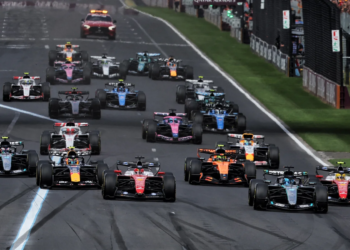
The global sports industry is the largest and most lucrative source of cross-border digital interactions, and local businesses benefit from these sports events. A Formula 1 race weekend is watched by a worldwide audience across broadcast, streaming and social media, and international events like these represent business opportunities and premium online integration and interactivity. There are online platforms, such as Melbet, that integrate sports events and provide an online platform for sports economics. These platforms benefit the local economy where they gain a foothold.
The digital transformation of the regional economy
Reliable internet access and digital payment services can help local businesses reach customers beyond their immediate markets. There is a growing demand for high-performance computing devices and connectivity in order to keep pace in this global economy. Many emerging businesses in Nouakchott are focused on the importation and retail sales of digital devices. Less established merchants have moved beyond sales of low-end communication devices and have begun importing and retailing high-end laptops and gaming devices, including the wheels, pedals and screens that sim racers use.


While these gaming devices may initially seem frivolous, they are a means for high-end users to participate in various international digital activities and games. For the average user in Mauritania, these devices represent a means to engage in the international economy and to communicate with a global audience. Racing fans can follow live timing on a second screen, watch grands prix on streaming platforms and join online sim racing leagues, all from a smartphone.
The increasing pervasiveness of smartphones leads to greater access to higher-level services, and the download of a casino app by a local user is evidence of interaction with transnational digital services. Complex digital applications serve the gambling industry through cyberspace. These applications use sophisticated servers and data encryption, much as race teams rely on secure data links between the circuit and their factories. Accompanying the growth of online gambling, local ISPs improve their broadband infrastructure to handle traffic. The improvements in broadband positively affect other businesses.
Locals become accustomed to higher levels of service and to interacting with AI. Gambling apps suggest betting odds and games based on user preferences and behaviours, and automatically adjust gameplay and betting interfaces. Local software developers gain knowledge about the latest design and development trends to enhance e-commerce apps, and the modern design standards frequently used by international online gambling apps become the standard for local apps.
| Economic catalyst | Traditional market impact | Modern digital market impact |
|---|---|---|
| Consumer entertainment | Localised physical events, analogue print media, race reports in newspapers | Global esports streams, live race streaming, online casino platforms |
| Hardware demand | Basic electronics, traditional household appliances | High-performance computers, sim racing rigs, gaming gadgets, smartphones |
| Financial transactions | Cash-heavy exchanges, sluggish local banking | Crypto trading, mobile money, seamless digital wallets |
| Business marketing | Print media, standard local radio broadcasts | AI-driven targeting, high-quality cinematic films |
Tech gadgets and the explosive rise of esports
Professional esports has attracted international audiences and created opportunities for gaming equipment suppliers, event organisers and content creators. Racing is a big part of that story. Official championships such as the F1 Esports Series, and sim racing in general, have turned virtual racing into a spectator sport, and the best sim racers have sometimes used it as a route into real cars. What was once a fringe activity has grown into a business worth billions of dollars, and interested parties in all nations, including Mauritania, have taken notice.
New gaming centres have opened to give the community facilities and high-quality connections to engage with the global esports community. Where internet cafés previously provided the only computer access for many people, gamers can now practise and improve their skills, or watch popular esports events and grands prix that take place around the world.
Esports-related businesses can generate revenue through equipment sales, events, sponsorships and media production. New gaming equipment is sold continually as esports grows in popularity. Other, non-gaming businesses sponsor esports events as a means of advertising and reaching a younger audience, just as they do with Formula 1 teams, racing drivers and series.
Examples of businesses thriving because of computer games and esports:
- Equipment and repair shops: Shops dedicated to the construction and repair of high-end gaming computers and accessories, including sim racing seats and steering wheels.
- Event organising: Facility rental for high-speed, low-latency gaming events, including sim racing leagues and viewing nights for grands prix.
- Media: Local news and broadcasting companies live streaming gaming and esports events and producing related documentaries and news programmes.
- Advertising and marketing: Logo and T-shirt designs and sales related to gaming and esports, including team-style racing merchandise.
Riding the wave of trading, crypto and new media
Local entrepreneurship thrives in developing countries, in spite of currency devaluation and inflation. Digital financial services are developing in Mauritania, although access to formal financial products remains limited for many residents. Digital trading platforms may offer additional financial opportunities, but cryptocurrency and forex markets carry substantial risks, including volatility, fraud and financial losses. Success in financial markets and sports betting is based on sound risk management and the ability to control emotional bias. Race engineers would recognise the idea: the best strategists weigh the risks, stay calm under pressure and avoid chasing a bad result.
Cryptocurrencies, combined with internet-based financial markets and online gambling, are changing financial and economic interactions in developing countries. Several Formula 1 teams have signed sponsorship deals with crypto and trading brands in recent years, showing how closely finance and racing have become linked. Online gambling and financial markets blur international borders and can improve remittance options, with transactions completed in a matter of seconds. Many young people in Mauritania have embraced virtual currencies and are improving their financial literacy. Digital currencies can facilitate trade in goods and services and connect users to the international financial system.
The role of AI and cinematic films in local marketing
Local businesses need to adapt their marketing strategies to attract international clients. The focus on high-quality, visually stimulating content has given rise to cinematic marketing. Motorsport has led the way: Netflix’s Drive to Survive and the sport’s own social media clips showed how storytelling can turn a technical sport into a worldwide fan base. The use of professional filmmaking and emotional storytelling has allowed even the smallest businesses to capture international audiences quickly and gain an edge in the market. Even with limited resources, a business can produce a series of short, professionally made films to promote its services. As long as the films are engaging, they have the potential to gain a worldwide audience quickly.
In addition, artificial intelligence allows local marketers to serve their films at the most opportune moment for maximum effect. Some marketers use AI to serve their films to users most likely to be interested or engaged by the content, in the same way that race teams use data to choose the best moment to pit. AI has revolutionised marketing by allowing producers to automatically serve their films to potential clients based on users’ interests and online behaviour. In combination, these recent marketing tools give local producers the opportunity to promote their films globally and gain new international clients.
Local business owners who wish to integrate cinematic AI into their businesses have been focusing on the following:
- Data collection: Using high-level data analysis to gain insights into local consumers’ spending and online behaviour, much as teams analyse telemetry after every session.
- Content production: Investing in equipment and training to create promotional videos using skills similar to those used in the film industry.
- Content dissemination: Employing a form of AI to automatically find the cheapest advertising space and distribute the promotional videos.
- Results: Providing the AI with feedback and using it to refine the system, in order to maximise the effectiveness and return on investment of future promotions.
The future of sports betting and local tech investments
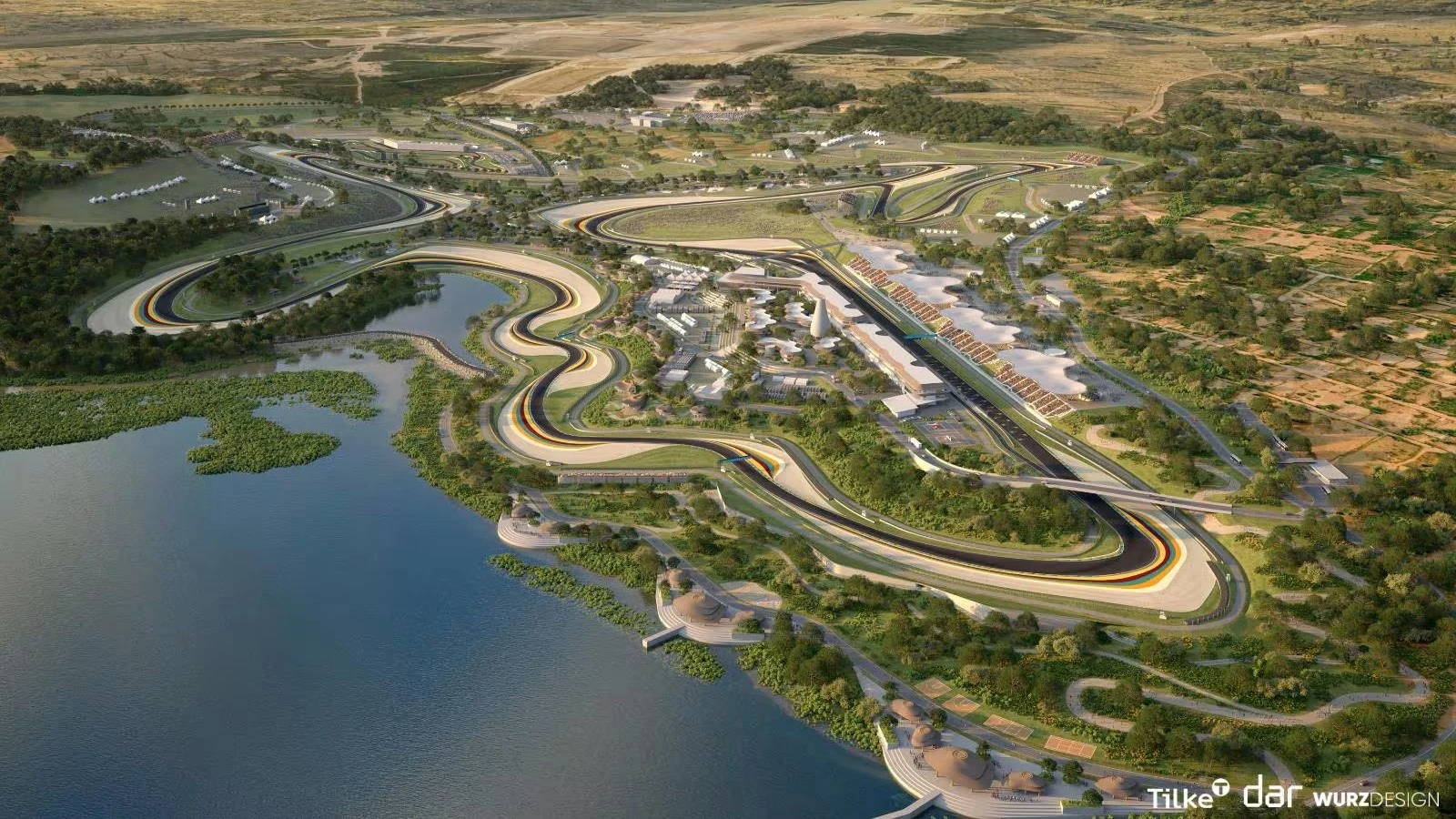
Within the next few years, it will be hard to distinguish between international and local trends in business and economics. Motorsport is already part of that shift: Formula 1 is taking its calendar to new regions, including Africa, where Rwanda has signed a deal for a future race in the early 2030s. Popular trends such as sports and esports betting and virtual casino games will drive growth and development in digital networks and infrastructure in countries like Mauritania. Expanding digital services can increase demand for reliable connectivity, but infrastructure improvements depend on investment, competition and public policy. At the same time, the rapid and increasing demand for online, digital and cashless transactions, and for the exchange and transfer of digital currencies, compels communications, IT and internet service providers to enhance their services.
Entrepreneurs who understand local demand and offer reliable digital products may find opportunities in equipment sales, technical support and online services. Likewise, business people who employ AI and other digital tools to engage consumers, and to develop and launch digital and virtual products and services, will be well placed to succeed. Digital services will continue to create business opportunities, although their economic importance will differ across industries and countries. Local entrepreneurs can positively impact their communities by tapping and integrating these global trends, and the lessons of motorsport, where data, technology and strategy decide the result, apply just as well off the track.