
Top motorsport teams are global brands with followers on every continent. Formula 1 teams in particular now rely on commercial revenue to remain competitive, and sponsorship, merchandise and other commercial partnerships are integral to that income. International partnerships are more complex than domestic ones and need extensive research and planning. The team must ensure that the deal is mutually beneficial. The following outlines how teams approach this, and the lessons apply to many other projects.
Going beyond the home market
A team’s home market has a limit, so teams look further afield for growth. Large and developing markets such as North America, the Middle East and Asia are attractive to European-based teams, and the growth of Formula 1’s US calendar, with races in Miami, Austin and Las Vegas, has made America a priority. Before entering a new market, a team researches sales of its merchandise, its social media following and its television and streaming reach in the target country. Teams usually don’t try to cover every market at once. They select the ones that suit their products and services best.
Betting and gaming is one of the growing commercial categories around motorsport. Many fans enjoy betting on races and can use the MelBet login (Arabic: MelBet تسجيل الدخول) to access Formula 1 odds and other markets. Operators need to make their platforms user-friendly, fast and reliable, especially when users are on mobile data and want to check odds during a live race, with a safety car or a change in weather able to turn a result in seconds.
How teams choose and structure partners
Partner categories that are geographically limited are popular with many teams. With this model, a brand gets exclusive partner rights in a defined territory, while the team keeps the flexibility to partner with other brands in the remaining markets. Contracts usually cover duration, logo placement on the car and team kit, content and territorial limits. Clear, straightforward contracts ease the team’s workload and help protect the rights of both parties.


Fans in different time zones rely on mobile applications to follow the sport on their own schedule. A Grand Prix in Europe may start in the middle of the night for fans in Asia or the Americas, so many watch highlights, follow live timing or catch up on demand. For fans who want a mobile experience, they can download the MelBet (Arabic: تحميل MelBet) app to access betting markets for Formula 1, football and other sports. They can also see statistics and handicaps for individual performances. The team studies these habits to understand which mobile content and local partnerships would bring the most value to fans.
Constructing value through fan engagement and content
True international partnerships exist when a team offers fans something of value instead of just adding a logo to a car. That motivates teams to produce local-language content, organise fan events and bring drivers to the fans, through showruns, factory visits and grand prix weekend experiences. For the partner, providing value can mean ticket offers, exclusive behind-the-scenes content and promotions tied to key races. This gives the partner a real opportunity to engage with fans and gives the team valuable information to share with the partner after each campaign.
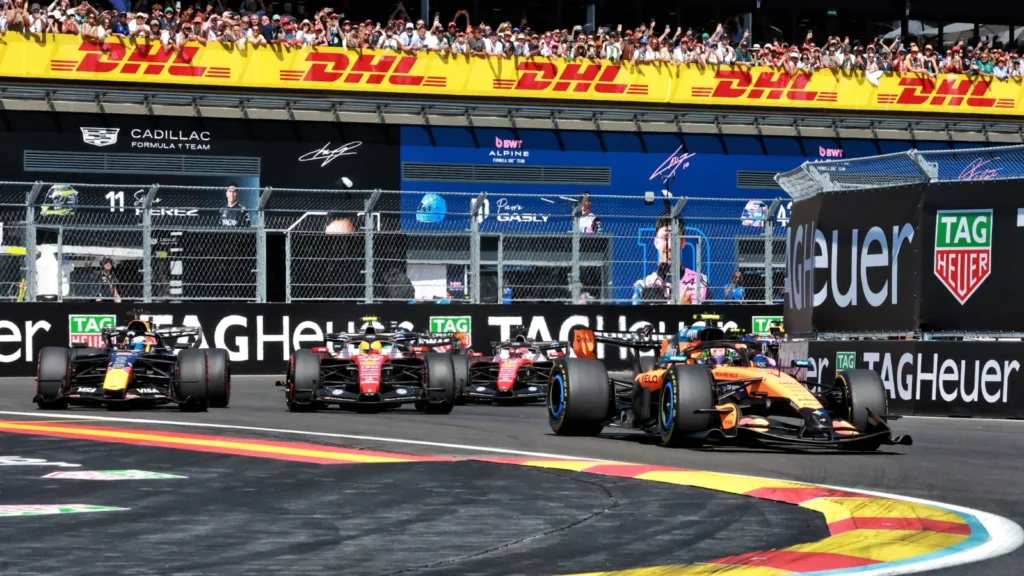
When a team enters a new market, it tries not to rely too heavily on a single partner. It combines several types of partnership with different goals and rights, whether visibility, content, retail or digital engagement. The table below shows the common types of motorsport partnership and what they usually include.
| Partnership type | Typical rights | Main goal |
|---|---|---|
| Title partner | Team name or major livery presence | Global visibility |
| Regional partner | Category exclusivity in one territory | Local brand awareness |
| Technical partner | Supply of technology, with branding on the car | Credibility and performance |
| Digital partner | App, social and streaming integration | Fan engagement |
| Merchandise licensee | Product design and sales in a market | Retail revenue |
Each partnership type has a different balance of risk, reward and cost. Mixing types helps spread the team’s financial risk and engages fans across several markets.
Setting objectives and building bridges
All partners need shared objectives, because results can only be assessed against agreed targets. These might include growth in the partner’s social media, web traffic, app installs, and event and merchandise sales in the partner country. Other engagement measures include video views, race attendance and repeat visits. Teams track these and set plans for improvement, with the aim of bringing more of their fans onto official channels. Both sides review progress and plan improvements at the start of each season, and evidence is often required to judge performance at renewal. Without data, opinions differ.
Partners work in different time zones, so relationships matter. Most teams have managers or local representatives who understand the language, culture and business in the markets they want to enter. Representatives help partners, solve problems, and pass fan feedback to headquarters. To build the trust and commitment that lead to renewals and new agreements, both sides hold frequent reviews and meetings. A partner who feels valued is more likely to commit to several long-term projects with the team.
Brand fit and local challenges
Brand fit is important because the partner’s name sits next to the team’s in front of a huge audience, on the car, on the pit wall and across broadcasts. Teams assess a potential partner’s reputation and financial health as well as what it offers fans. They also look at whether the partner is aligned with the team’s values and community work, and its long-term vision. Because the partner’s name becomes associated with the team’s, its character will be scrutinised, which is why teams conduct extensive due diligence, and that is standard practice in major sports deals.
Teams must plan ahead for the practical challenges of a new market. Communication across large time zone gaps can be difficult, and race start times that suit Europe may be inconvenient for fans in Asia. Payment methods, media preferences, what fans buy and which social platforms they use all differ from one market to the next. Teams and their partners have to be flexible with advertising, marketing and campaigns.
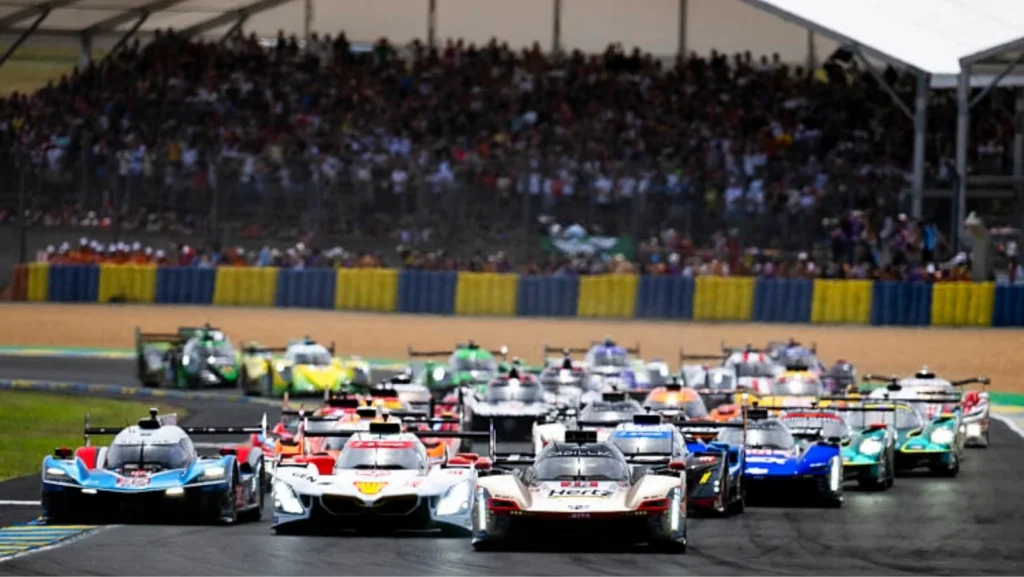
Digital channels have given teams more direct ways to communicate with supporters. Content can now be produced and distributed in several languages, and teams have official presences on a range of social platforms, as well as their own apps and streaming services. Documentary series such as Netflix’s Drive to Survive have helped bring Formula 1 to fans who had never watched a race. Teams also take part in showruns and promotional events in key regions to strengthen their relationship with supporters, and with fans in the Gulf, home to several calendar races, such events can be especially valuable. Many top teams have international fan bases, so their growth plans focus on keeping current partnerships while reaching new fans.
International business partnerships: Going global
Setting measurable goals and choosing partners carefully helps teams strengthen their international business partnerships. Continual communication helps them stick to their goals. As with any new partnership, commercial value follows when supporters feel connected to the team. Regional agreements and partnerships will continue to help teams engage with supporters around the world, and there will always be new opportunities in new markets and in different series, from Formula 1 and Formula E to MotoGP and endurance racing. Patience, honesty and hard work will help establish partnerships in any market.