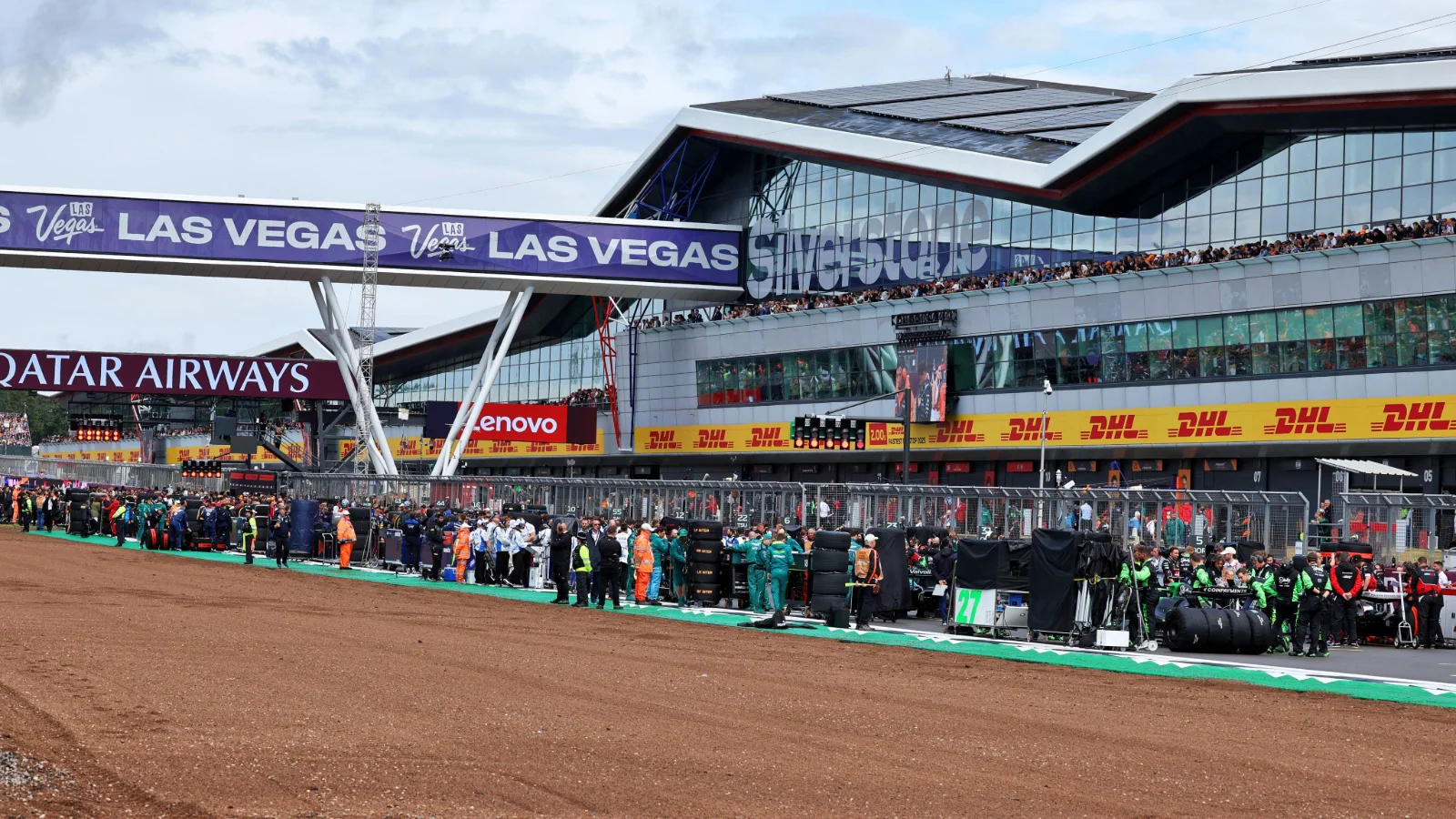
Ask any Formula 1 fan to name the race that captures the soul of the sport, and a surprising number land on the same answer: the one held on a former World War II airfield in Northamptonshire…
Silverstone has no glamorous harbour like Monaco and no neon skyline like Singapore, yet the British Grand Prix keeps pulling hundreds of thousands of people through its gates every July. As the calendar turns toward Silverstone, that strange magnetism is worth unpacking — and so is the wave of anticipation that builds whenever a fixture this big appears on the horizon.
That anticipation has a way of spilling beyond the grandstands. The closer a marquee weekend gets, the more fans start comparing notes on how they plan to follow the action, and many keep an eye on sports betting promos to see what is on offer around major events. These comparison guides line up welcome bonuses, deposit matches, bet-and-get deals, and seasonal offers tied to enormous fixtures like the 2026 World Cup, laying out the fine print side by side for both US and offshore audiences.
For a fan who already follows the standings closely, knowing which deposit match or free-bet deal lands during a packed summer of racing and football is simply part of doing the homework — a way to engage with the calendar rather than a detour from it.


What makes Silverstone different
Most modern circuits are built to a brief. Silverstone grew out of an old RAF base, its early layout traced along perimeter roads and runways, and that improvised origin still shapes the place. The corners carry names that send a shiver through anyone who has watched the sport for long: Maggotts, Becketts, Stowe, Copse. Drivers talk about the Maggotts-Becketts complex the way climbers talk about a famous ridgeline — fast, flowing, punishing if the rhythm slips even slightly.
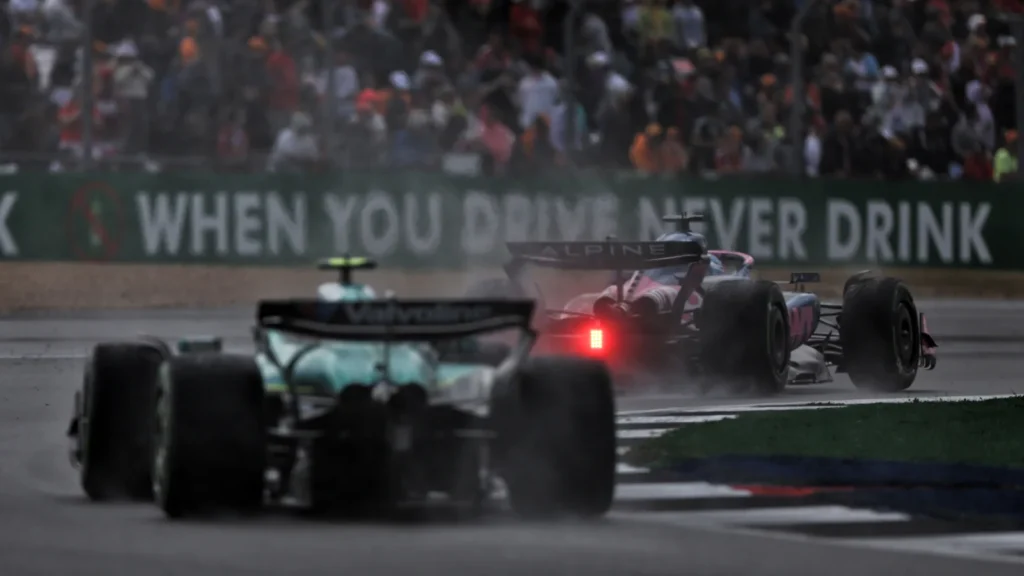
It is also one of the few venues where the crowd genuinely feels like part of the spectacle. The grandstands wrap close to the track, the noise rolls across the open Northamptonshire fields, and the energy on race day has been compared to a music festival more than a sporting event. A recent feature describing it as the Glastonbury of motorsport captured exactly why so many fans treat the trip as a pilgrimage rather than a day out.
A race with genuine history behind it
Silverstone’s claim to fame is not just nostalgia. It hosted the very first round of the Formula 1 World Championship back in 1950, and the British Grand Prix has been woven through the sport’s story ever since. Generations of British drivers — from the early heroes to the modern era’s home favourites — have felt that particular surge of adrenaline that comes with a crowd roaring for one of their own.
The cars are unrecognisable from the front-engined machines of the 1950s. The layout has been tweaked, lengthened, and refined. But the essential thing — fast corners, a knowledgeable crowd, and a sense of occasion — has stayed remarkably constant across seven decades.
The summer stretch that surrounds it
Part of what makes a Silverstone weekend feel so charged is its place in a relentless run of racing. June and July cram in some of the most demanding events on the global calendar, and serious fans rarely follow just one series. For anyone curious about how the place evolved, the BBC’s photo retrospective marking 75 years of the race is a striking reminder of how much has changed and how much has not.
Right now, the build-up is everywhere. The MotoGP Czech Republic Grand Prix returns to Brno from 19 to 21 June, with riders preparing to attack the sweeping circuit’s elevation changes. Across the Atlantic, IndyCar heads to the Road America layout for the XPEL Grand Prix on 21 June, a four-mile ribbon of forest and fast corners that drivers adore.
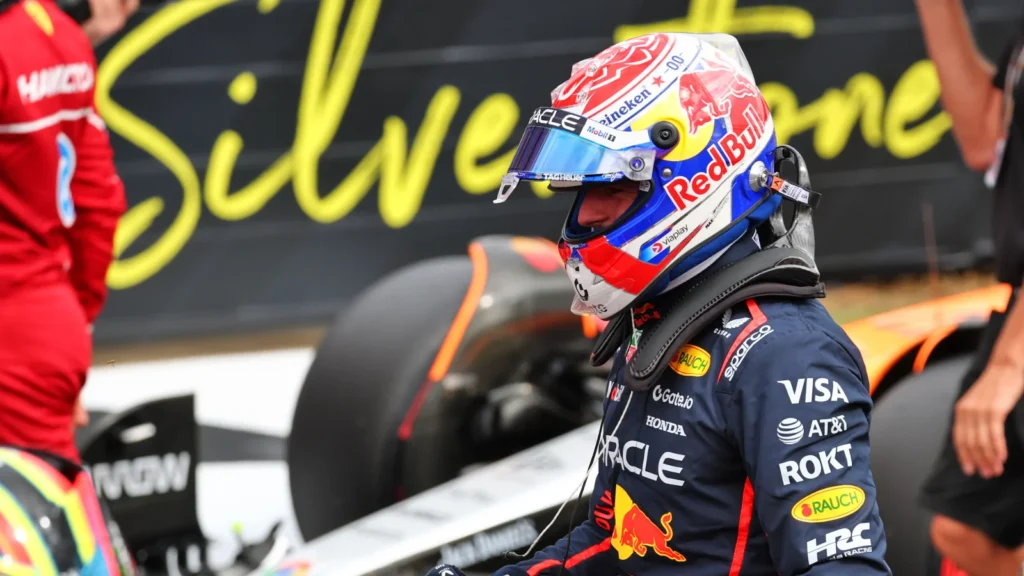
Sports car fans are looking ahead to the IMSA 6 Hours of Watkins Glen, running 25 to 28 June, where prototypes and GT machinery will share the track deep into the evening. And in Formula 1, the Austrian Grand Prix at the Red Bull Ring on 26 to 28 June promises the kind of tight, punchy lap that turns qualifying into theatre.
Set against that backdrop, a Silverstone weekend does not stand alone — it sits at the centre of a sport in full flight, with championship battles tightening across multiple series at once.
How fans plan around the big weekends
The modern fan experiences all this differently than the crowds of 1950 ever could. A viewer might track MotoGP timing screens on a tablet, keep a Formula 1 live feed running on the main screen, and refresh the IMSA standings between stints at Watkins Glen. Following the sport has become a multi-event ritual, and the planning that goes into it is half the fun.
That is exactly why the run-up to a race like Silverstone generates so much chatter. People map out their viewing schedule, compare which broadcast covers what, and weigh how they want to stay involved across a crowded summer of fixtures. For some, that means organising a watch party. For others, it means keeping tabs on the wider entertainment that orbits big sporting moments. Either way, the engagement starts long before the lights go out.
Why the anticipation matters
There is something honest about the way Silverstone draws people in. It is not selling glamour. It is selling speed, history, and a crowd that genuinely understands what it is watching. As the British Grand Prix approaches and the summer’s racing reaches full intensity, that mix of legacy and raw excitement is what keeps the legendary circuit feeling like the beating heart of the sport — year after year, generation after generation.