
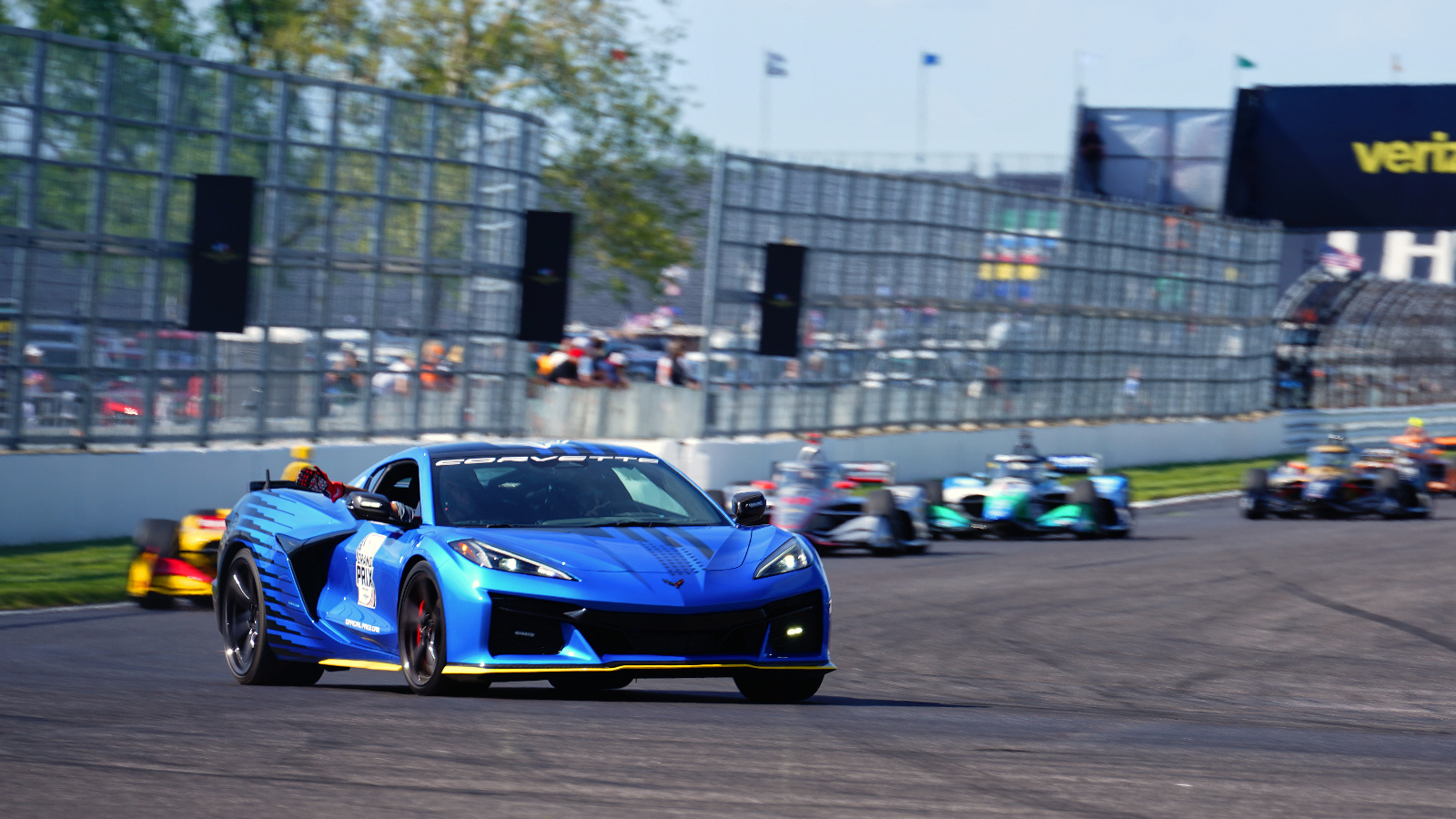
IndyCar and the series’ Independent Officiating Board have announced an operational change to full course yellow procedures going forward.
When deciding when to upgrade a local yellow to a full safety car period, Race Control will no longer consider if a pit stop cycle is in progress.
The announcement confirmed multiple other factors will remain as part of the decision process, including “driver egress, vehicle position, recovery vehicle access, safety team locations, laps remaining and the timing of approaching traffic to the incident.”
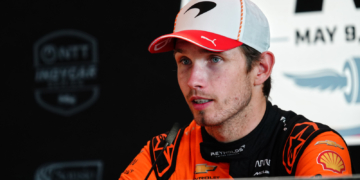
The changes are in direct response to a dangerous situation that played out at last weekend’s Sonsio Grand Prix, when Alexander Rossi was stopped on track in a compromising position.


Race Control decided to keep a local yellow condition in effect longer than most felt appropriate, leading Rossi himself climbing from the car before a full course yellow had been declared.
“The Lap 21 incident on Saturday made clear that there needs to be a cleaner standard for how race control moves from a local to a full course yellow,” IndyCar Officiating’s Independent Officiating Board chair Raj Nair said.
“IndyCar Officiating, with IndyCar’s full support, has made this change of approach to ensure that the only inputs to the full course yellow escalation are safety ones. Streamlining the assessment will also save time as competitive considerations are no longer a factor.”
IndyCar president Doug Boles weighed in as well, saying “The most important job in race control is to ensure the safety of our drivers, crews, safety workers and fans.
“Saturday highlighted that we must not waver from that central mission and aligning everyone on that philosophy was critical to discuss over the last 48 hours.”
No retroactive adjustments to the race result were made, and the new procedure will be implemented with immediate effect.





Discussion about this post