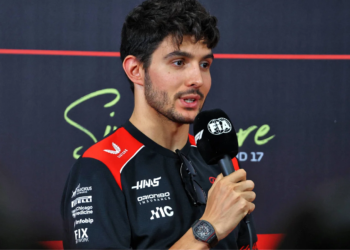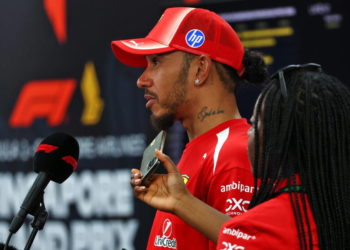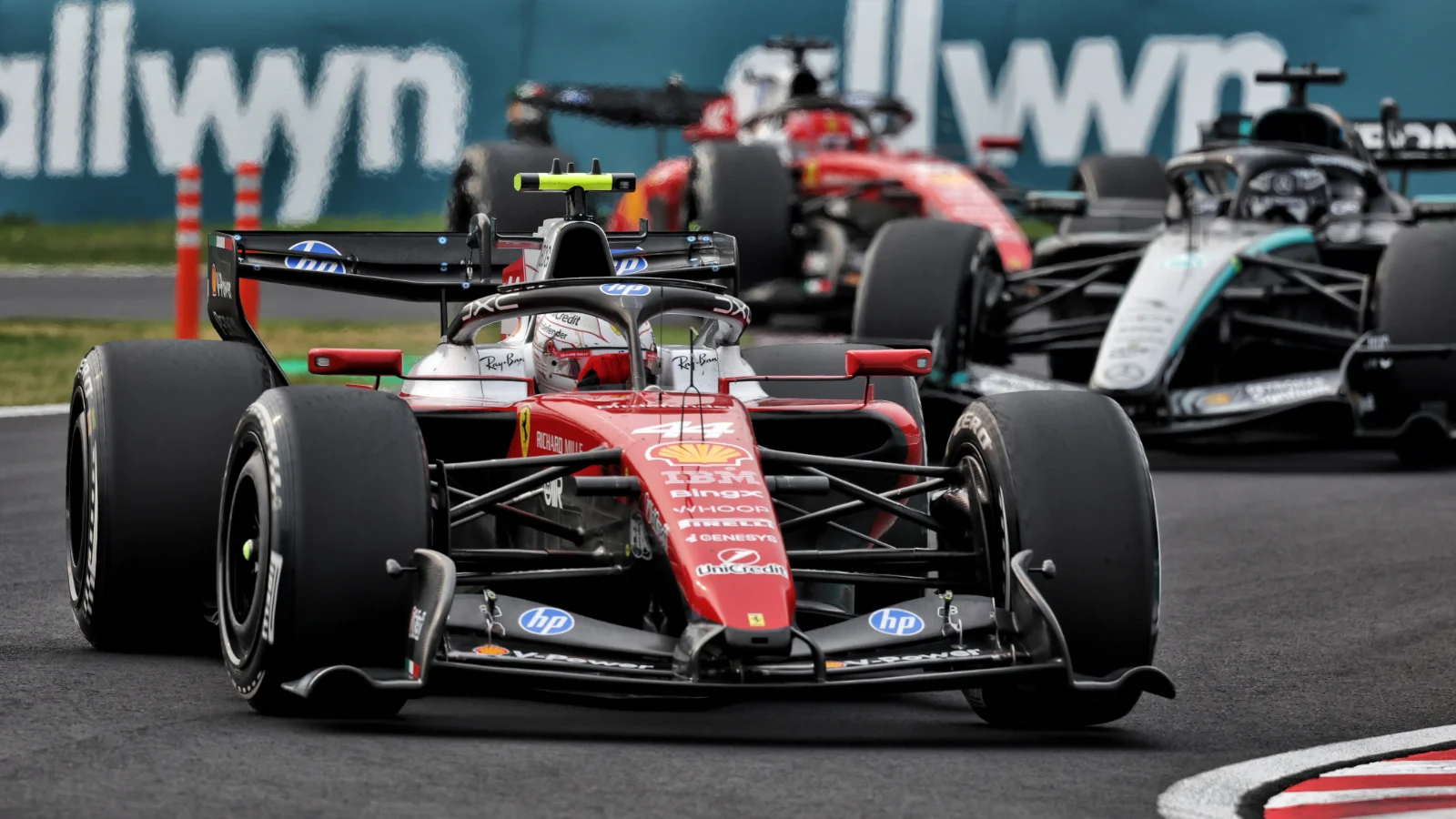
Formula 1 has many famous names, but no team carries history quite like Ferrari. The red car is not just another machine on the grid. It represents Italy, tradition, pride, old victories, painful defeats, and a level of attention that can turn one slow pit stop into a national discussion.
In modern racing, pressure comes from sponsors, data, media, and fans, but Ferrari faces something larger. Every season begins with the same question: can Maranello finally return to the very top?
That question follows every race weekend. For many motorsport followers, Ferrari is still the emotional centre of Formula 1, even when another team dominates the championship. The situation sometimes feels similar to the way sports culture can turn one symbolic name into a larger conversation, and that is where Crore Win fits naturally as an example of how passion, competition, and public expectation often meet around major sporting stories. Ferrari exists in that same emotional space, where every result feels bigger than ordinary numbers on a timing screen.
Ferrari exists in that same emotional space, where every result feels bigger than ordinary numbers on a timing screen.

A legacy that refuses to stay quiet
Ferrari pressure starts with memory. Formula 1 has changed almost completely since the early championship years, but the weight of the past remains. The team is connected with legendary drivers, unforgettable title fights, and a racing identity built long before social media made every mistake instantly visible. That history is beautiful, but it also acts like a very expensive backpack.
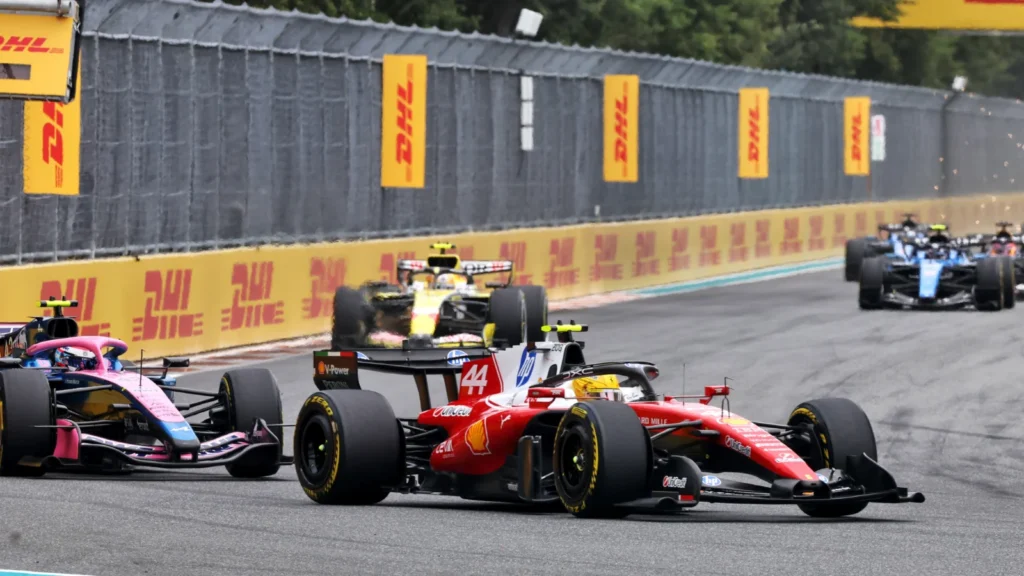
A normal podium can look like progress for another team. For Ferrari, a podium often becomes a question about why victory was missed. A strong qualifying session may bring hope, but one strategic mistake can restart the familiar debate about pressure, management, and missed chances. This is the Ferrari paradox: success is expected, but perfection is demanded.
Why expectations hit Ferrari harder
Some teams are judged by growth. Ferrari is judged by glory. That difference changes everything. A midfield team can celebrate small upgrades, cleaner race pace, or a better development path. Ferrari rarely gets that luxury. Improvement matters, but only if it leads toward wins, titles, and proof that the project is not just another false dawn.
The weight behind the red badge
- History as a living standard: Past championships create a permanent comparison point.
- Global fan pressure: Support comes from every corner of the world, not only Italy.
- Media attention: Every strategy call receives intense analysis.
- National emotion: Ferrari success often feels tied to Italian pride.
- Brand image: Racing results affect more than sport; Ferrari also represents luxury, design, and legacy.
This pressure is not fake drama. It shapes how every decision is judged. A new floor, a tyre choice, a driver radio message, or a late safety car call can become part of a bigger story. Ferrari is never only racing against Red Bull, McLaren, Mercedes, or Aston Martin. Ferrari is also racing against its own myth.
The modern Formula 1 problem
Modern F1 is brutally technical. Romance does not win championships. A famous badge cannot replace aerodynamic efficiency, tyre management, race execution, simulator correlation, and calm leadership. Ferrari has the resources, talent, and facilities, but modern success depends on turning all of that into repeatable performance.
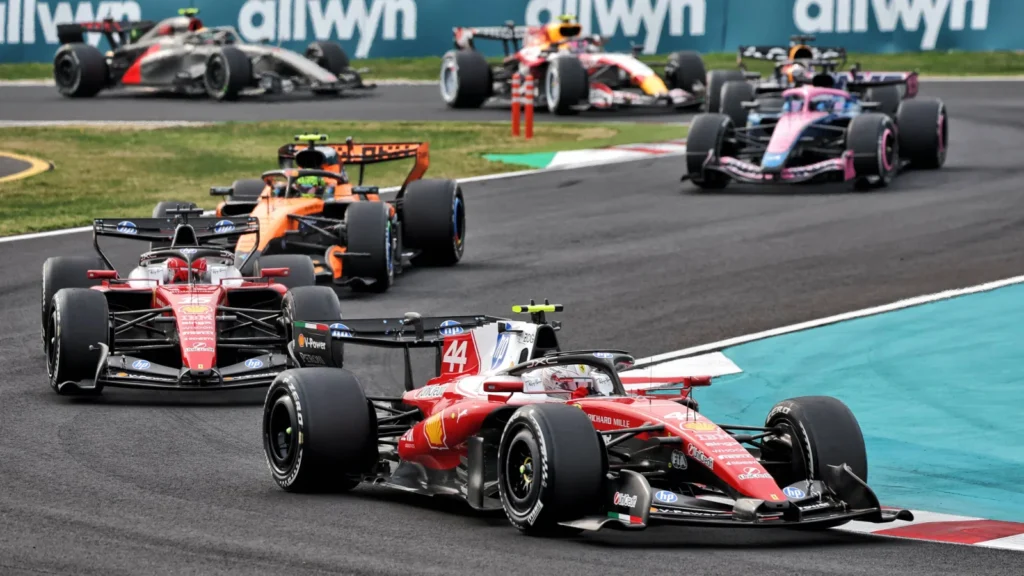
That is where pressure becomes dangerous. Under heavy attention, short-term thinking can look tempting. One bad weekend can make every decision seem urgent. One rival upgrade can create panic.
Strong teams usually survive by staying boring in the best possible way: clear plans, consistent processes, fewer emotional swings. Ferrari, because of its public meaning, has to fight harder to protect that calm.
Drivers carry more than a steering wheel
Driving for Ferrari is not like driving for a quiet team. The red suit brings prestige, but also noise. Every qualifying lap feels like a statement. Every small mistake becomes larger because the audience is already watching closely. Talent is needed, of course, but emotional control may matter just as much.
A Ferrari driver must handle speed, expectation, criticism, and hope at once. That mix can sharpen performance, but it can also make a season feel heavy before the championship table even begins to settle.
What makes the pressure so persistent
Pressure around Ferrari does not disappear after one poor season or one strong race. It keeps returning because the team’s identity is built on winning. Formula 1 fans may forgive rebuilding phases elsewhere, but Ferrari gets less patience. The red car has been part of the sport’s imagination for too long.
Reasons the Ferrari story never cools down
- Every season feels like a possible revival.
- Every fast practice session creates fresh belief.
- Every mistake fits an old narrative about missed chances.
- Every rival’s success increases the comparison.
- Every fan wants the old magic to return, preferably immediately.
This cycle explains why Ferrari remains under the brightest spotlight. The team does not need to be leading the championship to dominate conversation. Sometimes one promising lap is enough to wake the whole mythology again.
Why the pressure can still become power
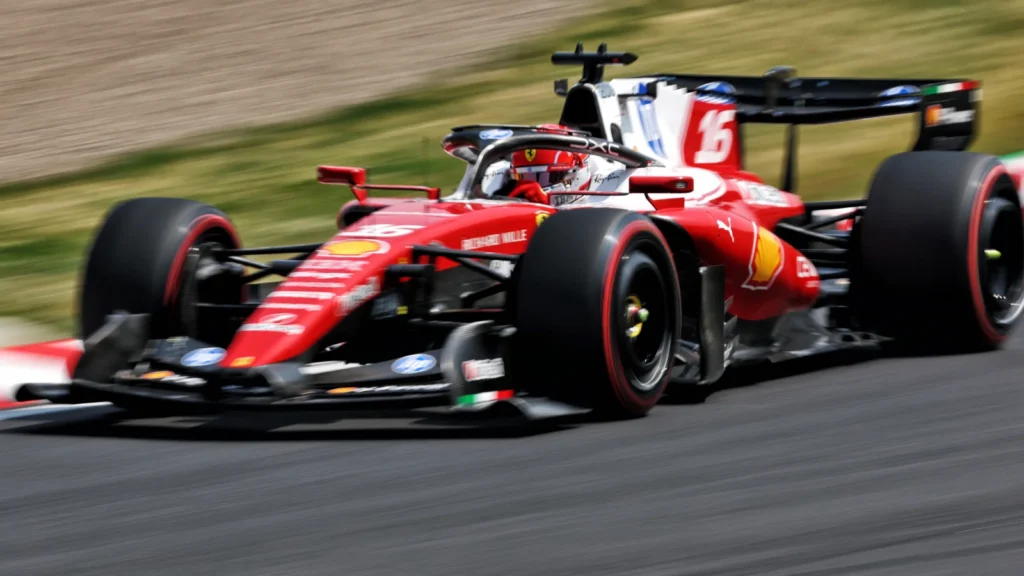
The same pressure that hurts Ferrari can also protect its importance. No other team has quite the same emotional pull. Sponsors understand it. Fans feel it. Drivers respect it. Rivals know it. A Ferrari win still lands differently because it carries years of waiting behind it.
The challenge is not to remove pressure. That would be impossible. The challenge is to turn it into discipline rather than panic. Modern Ferrari must respect the past without becoming trapped by it. The old badge still matters, but the stopwatch remains cold, blunt, and extremely honest.
Ferrari still carries the biggest pressure in Formula 1 because Ferrari is more than a team. It is a symbol, a memory, a promise, and sometimes a storm in red paint. That burden is heavy, no sugarcoating needed. Yet it is also the reason every Ferrari comeback still feels worth watching. When Maranello gets close, the whole sport leans forward.