
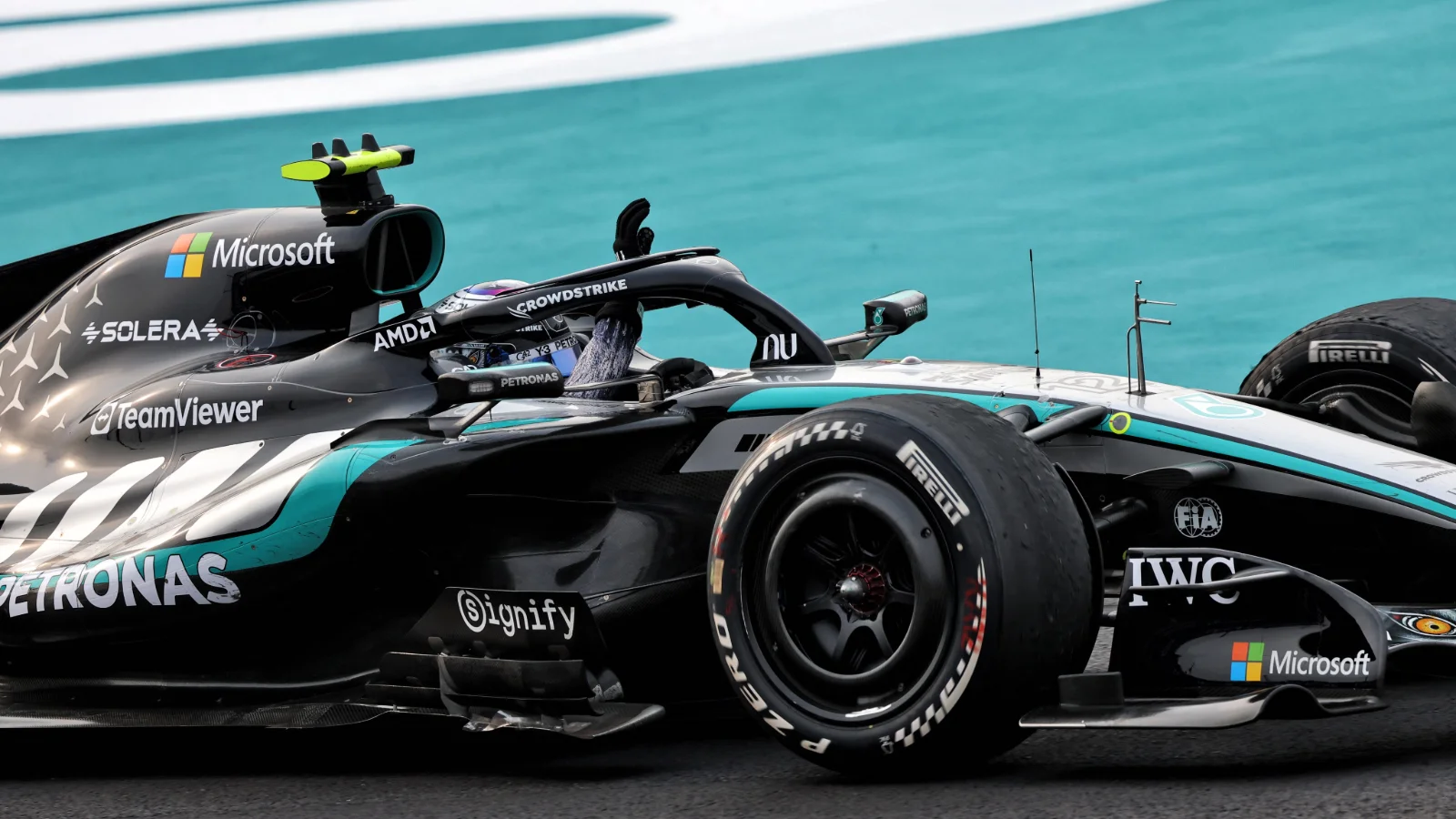
The FIA has reportedly moved to outlaw a Formula 1 qualifying tactic used by Mercedes and Red Bull-powered teams to gain a small but valuable performance edge at the end of a lap.
The trick is centred on energy deployment during qualifying. Normally, drivers must gradually reduce electrical power as they approach the timing line, following a mandated “ramp down” to avoid a sudden drop in output.
But Mercedes and Red Bull found a way around this, by shutting down the MGU-K under a permitted software mode, briefly maintaining maximum deployment instead of tapering off.
That loophole allowed a short burst of extra power – estimated at 50kW to 100kW – right at the end of the lap.

The gain was modest, often just hundredths of a second, but still meaningful in tight qualifying battles.
The workaround relied on a rule designed for reliability, as teams are allowed to disable the MGU-K in the event of a technical issue, protecting the power unit from damage.
However, doing so triggers a built-in penalty: a 60-second lockout before the system can be used again. In race conditions, that makes the tactic impractical.
In qualifying, though, teams realised the downside could be avoided, as drivers do not need full power on an in-lap, so sacrificing the MGU-K after crossing the line carried little immediate cost.
But, according to a report by The Race, this loophole has now been closed by the sport’s governing body.
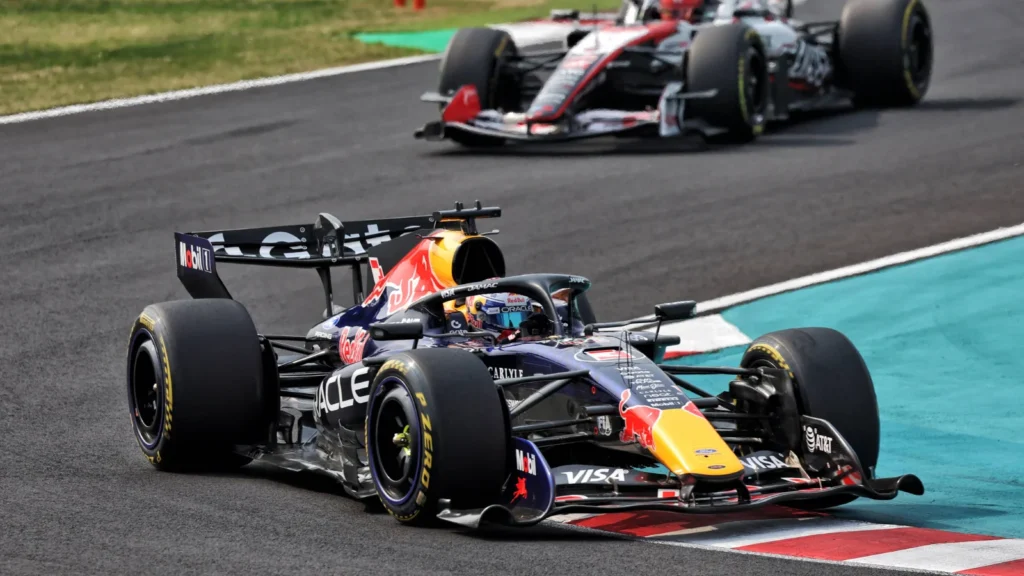
FIA bans the trick from now on
Rival teams first noticed the approach in Australia. The situation escalated at Suzuka, where its side effects became clear.
Several drivers, including Mercedes driver Kimi Antonelli and Red Bull’s Max Verstappen, struggled with reduced power after runs.
Williams’ Alex Albon even stopped on track during practice after encountering related issues.
These incidents raised concerns about both reliability and safety, especially if cars slowed unexpectedly during live qualifying sessions.
Ferrari sought clarification from the FIA, acknowledging the tactic’s legality but questioning its risks.
Mercedes, meanwhile, opted not to use the system in Japan, partly due to the limited benefit at Suzuka and the potential complications.
And following discussions with teams, the FIA has now aparently stepped in.
Updated technical guidance makes clear that the MGU-K shutdown function must only be used for genuine technical problems, not as a performance tool.
While the feature itself remains, its use will be closely monitored through data analysis.
The governing body’s stance effectively removes the loophole and reinforces the original intent of the rules.
And with one more qualifying trick eliminated, the margins at the front could tighten further—something that should bring the field closer when it matters most.
READ MORE – Red Bull personnel exodus to trigger ‘probable’ Max Verstappen exit




Discussion about this post