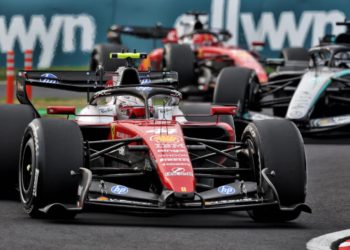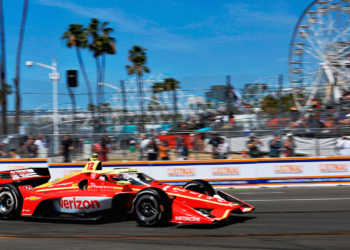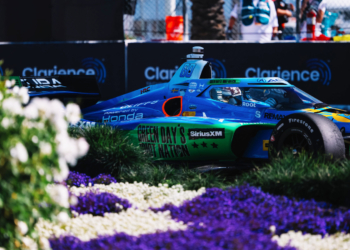
Motorsport has always been a fusion of speed, engineering, and human skill. But in recent years, the sport has evolved beyond just what happens on the track.
From cutting-edge data analytics to fan-focused digital experiences, racing is entering a new era, one where technology and audience engagement play just as crucial a role as horsepower.
The data-driven race weekend
In championships like Formula 1 and Formula E, every millisecond counts. Teams now rely heavily on real-time data to optimize performance. Engineers monitor tire degradation, fuel consumption, and aerodynamic efficiency throughout a race weekend.
This constant stream of information allows teams to make split-second decisions that can define the outcome of a race.
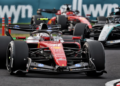

It’s no longer just about the driver’s instincts—success depends on how well teams interpret and act on complex datasets. Predictive modelling, AI-assisted strategies, and simulation tools are becoming standard across the paddock.
The rise of digital fan experiences
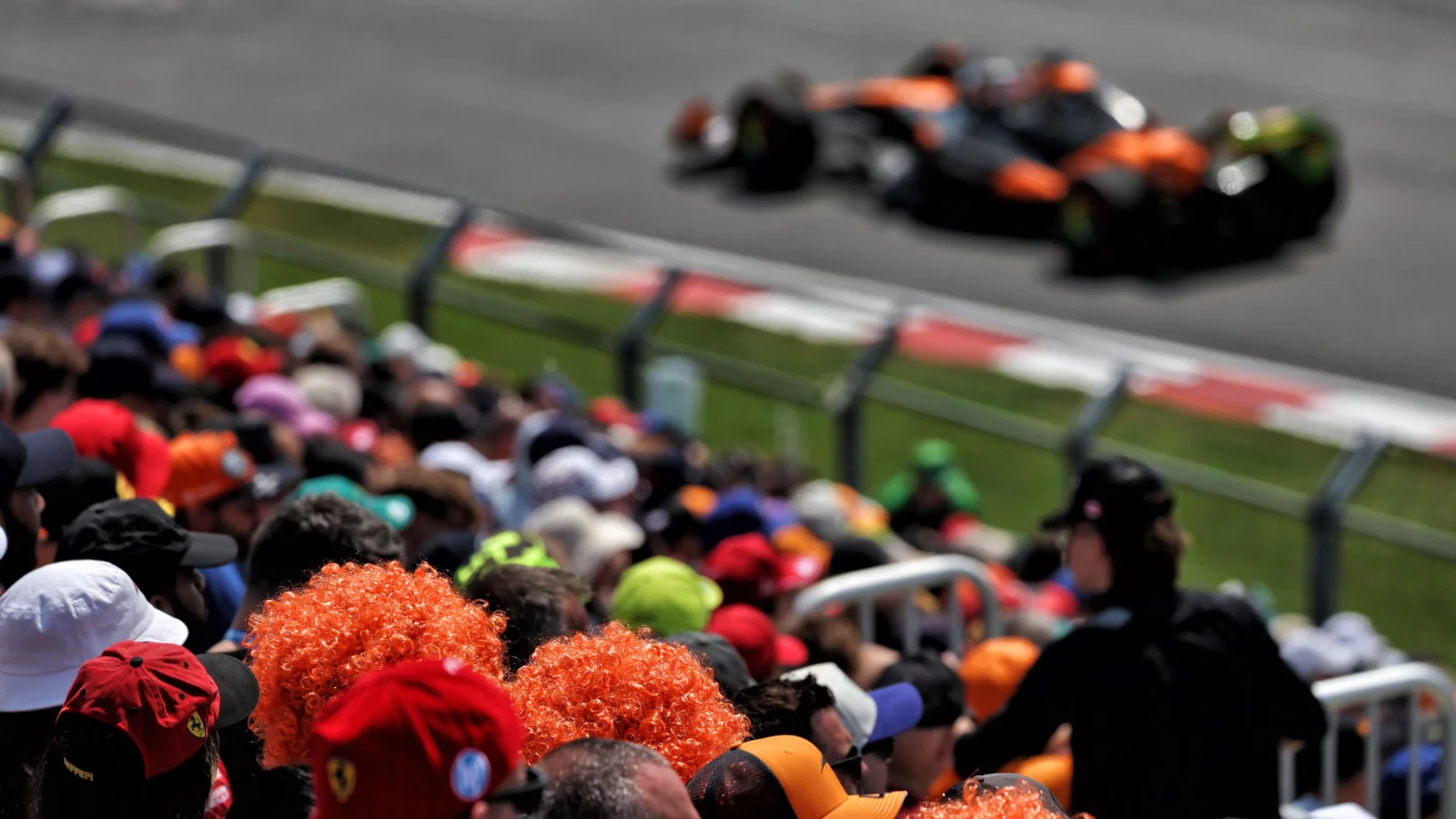
While the cars get faster, the way fans interact with motorsport is also changing rapidly. Live telemetry apps, onboard cameras, and immersive broadcast graphics are bringing viewers closer to the action than ever before.
Fans can now follow their favourite drivers in real time, analysing race strategies almost as deeply as the teams themselves.
This digital transformation has opened the door to new forms of engagement beyond traditional race coverage. Online platforms now blend motorsport enthusiasm with entertainment, offering everything from fantasy leagues to interactive gaming elements.
Interestingly, some fans explore broader online entertainment options during race weekends, including platforms offering perks like an online casino $1 deposit bonus. While not directly tied to racing, these trends highlight how digital engagement around sports continues to expand into adjacent spaces.
Sustainability and innovation
Another major shift in motorsport is the growing emphasis on sustainability. Series like Formula E have pushed electric mobility into the spotlight, while Formula 1 is actively working toward carbon neutrality goals.
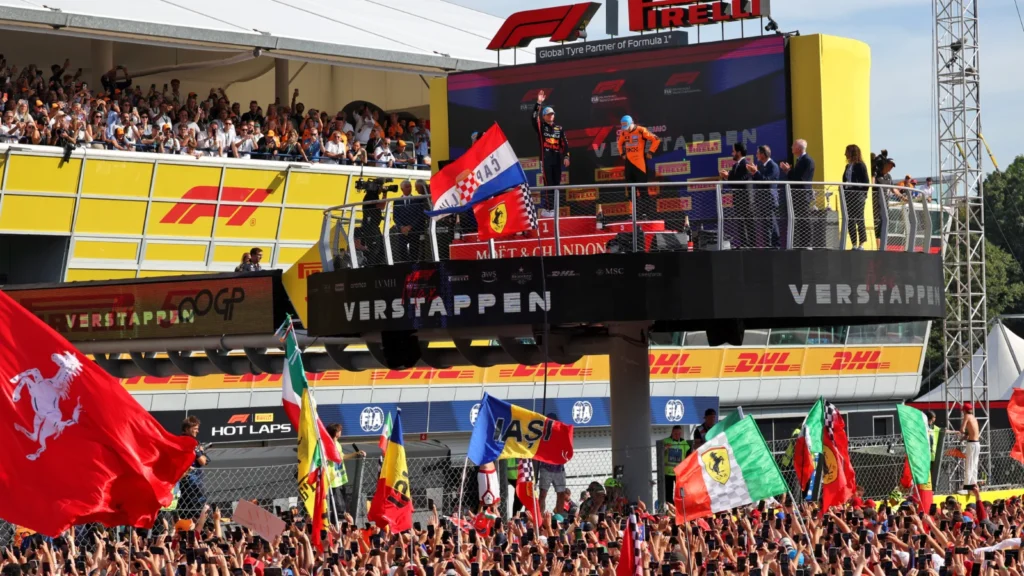
Hybrid power units, sustainable fuels, and energy recovery systems are no longer experimental—they’re essential components of modern racing. These innovations often trickle down into consumer vehicles, making motorsport a testing ground for future automotive technology.
The human element still matters
Despite all the technological advancements, motorsport remains deeply human. Drivers still face immense physical and mental challenges, from enduring high G-forces to making critical decisions at speeds exceeding 300 km/h.
The balance between man and machine is what keeps fans hooked. Technology may enhance performance, but it’s the driver’s courage, precision, and race craft that ultimately capture the imagination.
Looking ahead
Motorsport is no longer confined to the circuit, it’s an interconnected ecosystem of technology, entertainment, and global fan culture. As digital platforms continue to evolve, the sport will likely become even more accessible and interactive.
Whether you’re following a championship battle, analysing race data, or exploring new forms of online engagement, one thing is clear: motorsport is accelerating into a future where innovation drives every aspect of the experience.