A Formula 1 Grand Prix win rarely begins with a pass on lap 52. It starts earlier, in a room full of screens, tyre charts, fuel numbers, and people speaking in clipped codes.
The driver gets the photo. The unseen work decides where the car will be when the photo is taken. One extra lap on old tyres can save a race. One extra lap can ruin it. Between those outcomes sit dozens of calls: brake cooling, engine modes, pit crew timing, traffic gaps, safety car odds, and weather cells moving across a circuit at jogging speed. Strategy staff deal in risk, a bit like odds makers at the best online casino studying patterns before a table turns. Fans see speed. Teams see small choices stacked until they become a trophy.
The lap before the lap
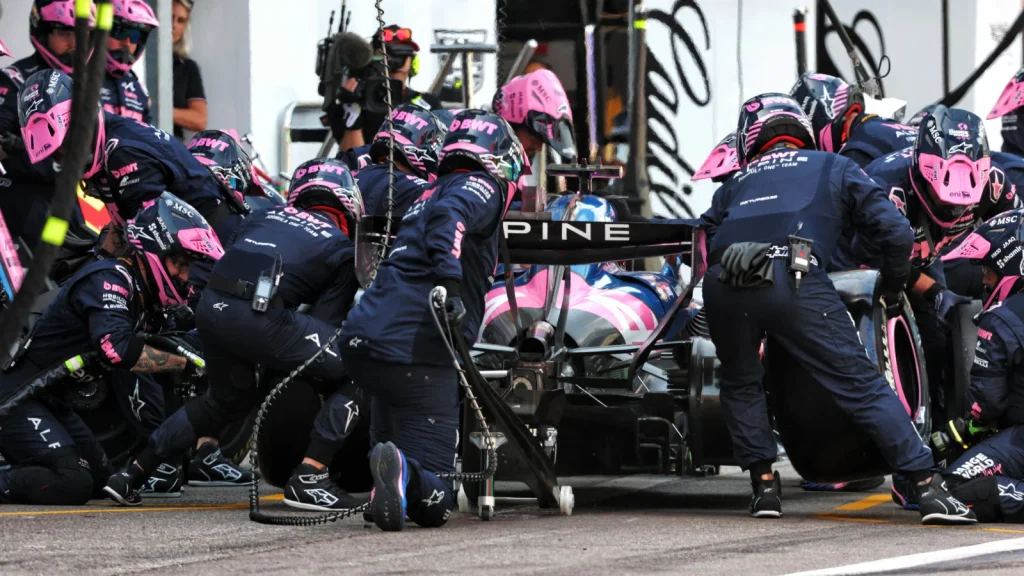
Race control might show a pit stop on screen for 2.3 seconds. The call behind it began two laps earlier. Engineers watch the gap to the nearest rival, then subtract pit lane loss, warm-up time, and the risk of traffic after the stop. On a track like Monza, a stop costs about 24 seconds. At Monaco, track position is so strong that a slower car can hold back a train for half an afternoon.
Small delay. Big pain.
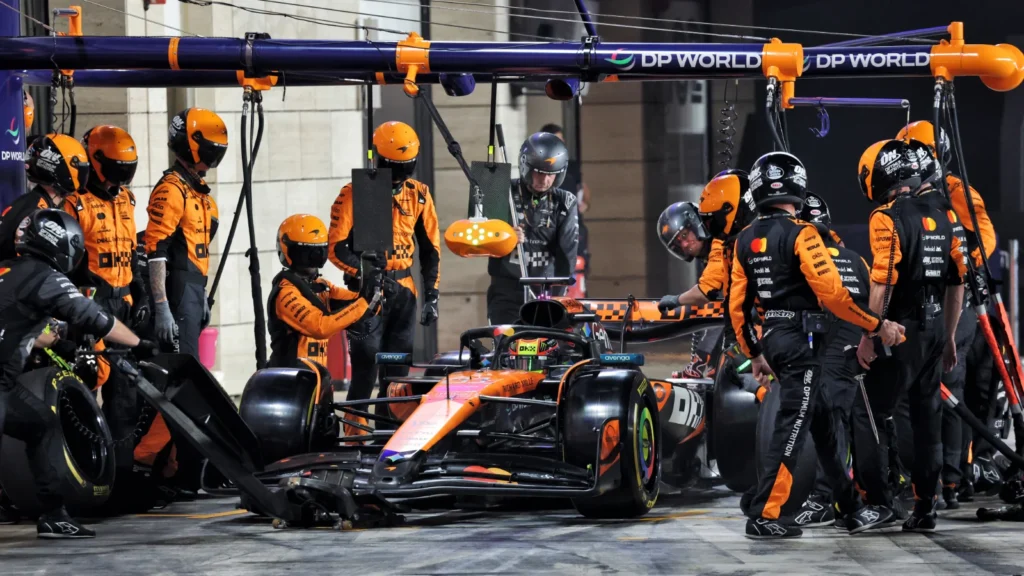
If the driver stays out, the tyre surface drops away. If he pits, he returns among midfield cars fighting their own race. The winning call is rarely brave in a loud way. It is tidy. It lands before rivals notice, and it gives the driver clean air when the tyre is fresh.
Tyres tell the truth
Every compound has a mood. Soft tyres bite hard for a handful of laps, then complain through sliding and rising temperatures. Hard tyres need patience, especially after a stop on a cold day. The driver feels that change through the steering wheel before lap time admits it.
Data confirms the feeling.
A team studies degradation in tenths per lap, not in vague talk. If the medium tyre loses 0.12 seconds each lap, lap 18 looks different from lap 28. Behind the pit wall, engineers compare that curve with rivals on radio traffic and GPS traces. They also listen for small clues. A driver saying “front left is opening” gives more than a complaint. It tells the strategist where the grip has gone, which corner hurts most, and how soon the rival behind becomes a threat.
Radio codes hide arguments
Team radio sounds calm because it has to. The short messages hide debate. One person watches weather radar. Another tracks battery use. A third checks the pit lane queue, because a double stack can turn a neat plan into a parked car and seven lost seconds.
The driver gets one sentence.
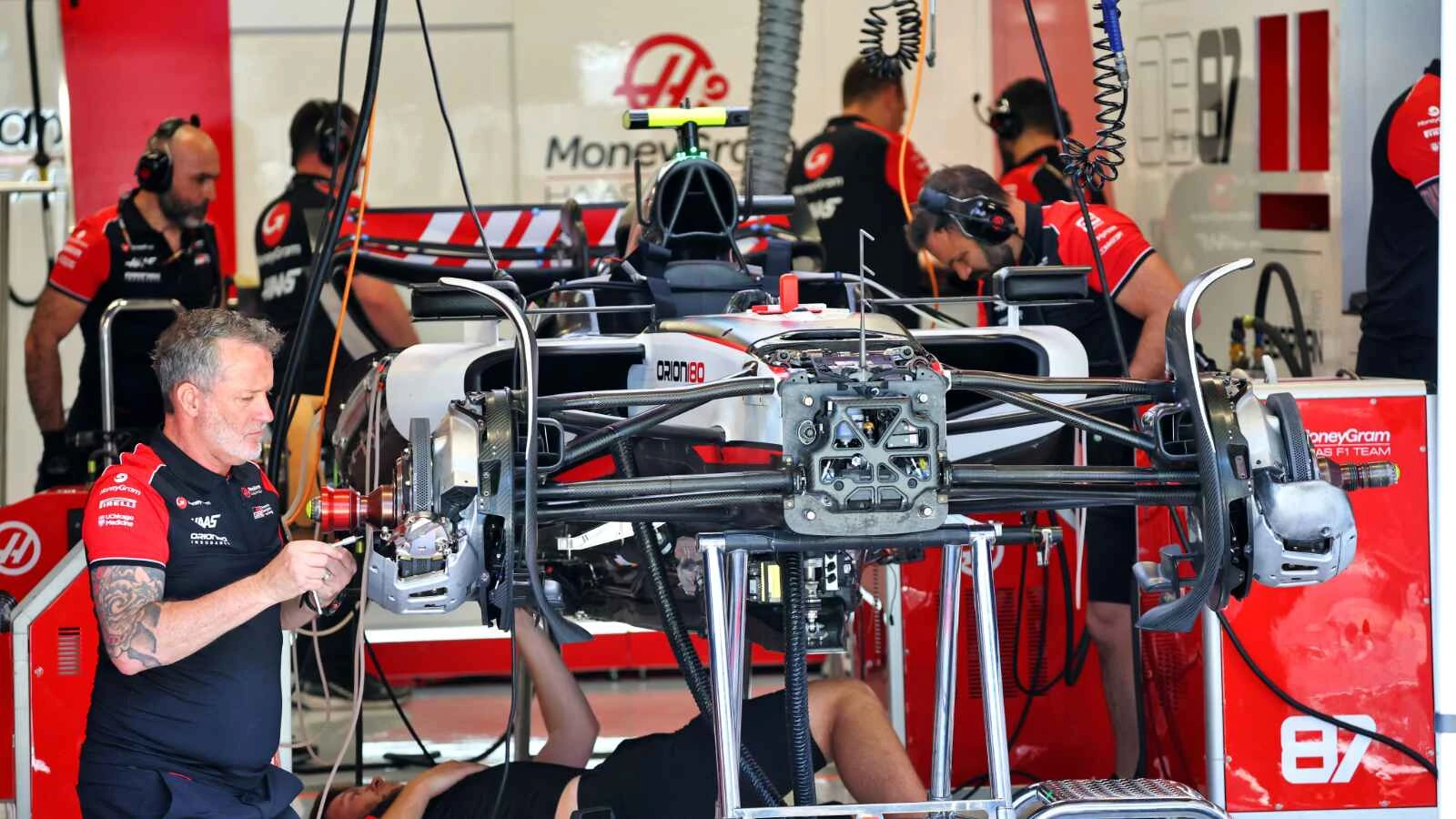
Behind that sentence, the garage may be split. The strategist wants the undercut. The race engineer worries about traffic. The tyre engineer says the rear temperatures are near the cliff. The sporting director remembers a penalty from Friday practice and asks if release space is clear. Nobody has time for speeches. A decision is made, then defended by perfect execution. If the crew misses the left rear nut by half a beat, the clever plan turns ordinary.
Weather rewards the cold-eyed
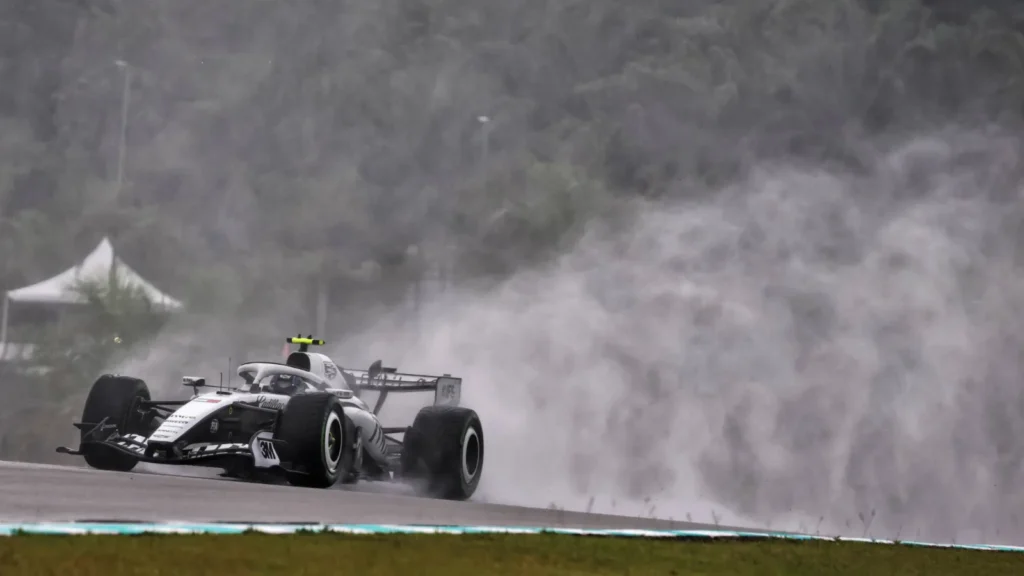
Rain makes heroes, but it also exposes lazy maths. A shower at Spa can hit sector two while the start-finish straight stays dry. One side of the circuit asks for intermediates. The other side punishes them.
Radar is late.
Teams use track cameras, marshal posts, air temperature, and the driver’s visor comments. The hard part is timing the first brave stop. Pit too early and the tyres grain before water arrives. Pit too late and one slow lap costs eight seconds, sometimes more. The best calls feel almost rude. They ignore the lap chart on television and trust a grey cloud over Les Combes, a wind shift, or a mechanic seeing drops on the pit board.
The quiet work after lights out
A race is not won by the fastest plan on a slide. It is won by updating that plan without panic. The opening lap changes everything. A flat spot adds vibration. A safety car erases a ten-second lead. A rival with damage turns into a moving roadblock at the worst corner.
Then comes discipline.
Good teams write likely branches before the start: early safety car, late rain, slow stop, front wing damage, engine lift-and-coast. During the race, they pick the branch closest to reality and adjust one step at a time. That sounds plain. It is hard at 300kph with millions watching and rivals bluffing on radio.
The next time a winner thanks the factory, the line should land differently. Somewhere, someone noticed lap 14 before everyone else did. Check the gaps first.