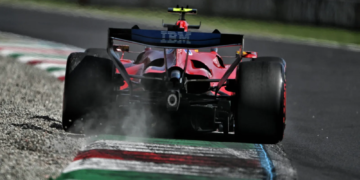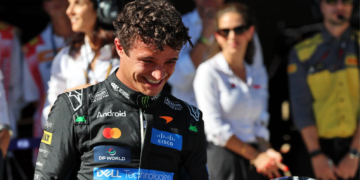
Formula 1 drivers rank among the biggest global superstars in motorsport, operating under relentless pressure behind the wheel of multi-million-dollar machines.
Away from the circuit, several drivers turn to poker as their preferred blend of relaxation and mental competition. From casual paddock games to high-stakes tournaments, the world of F1 has long shared an affinity with the green felt.
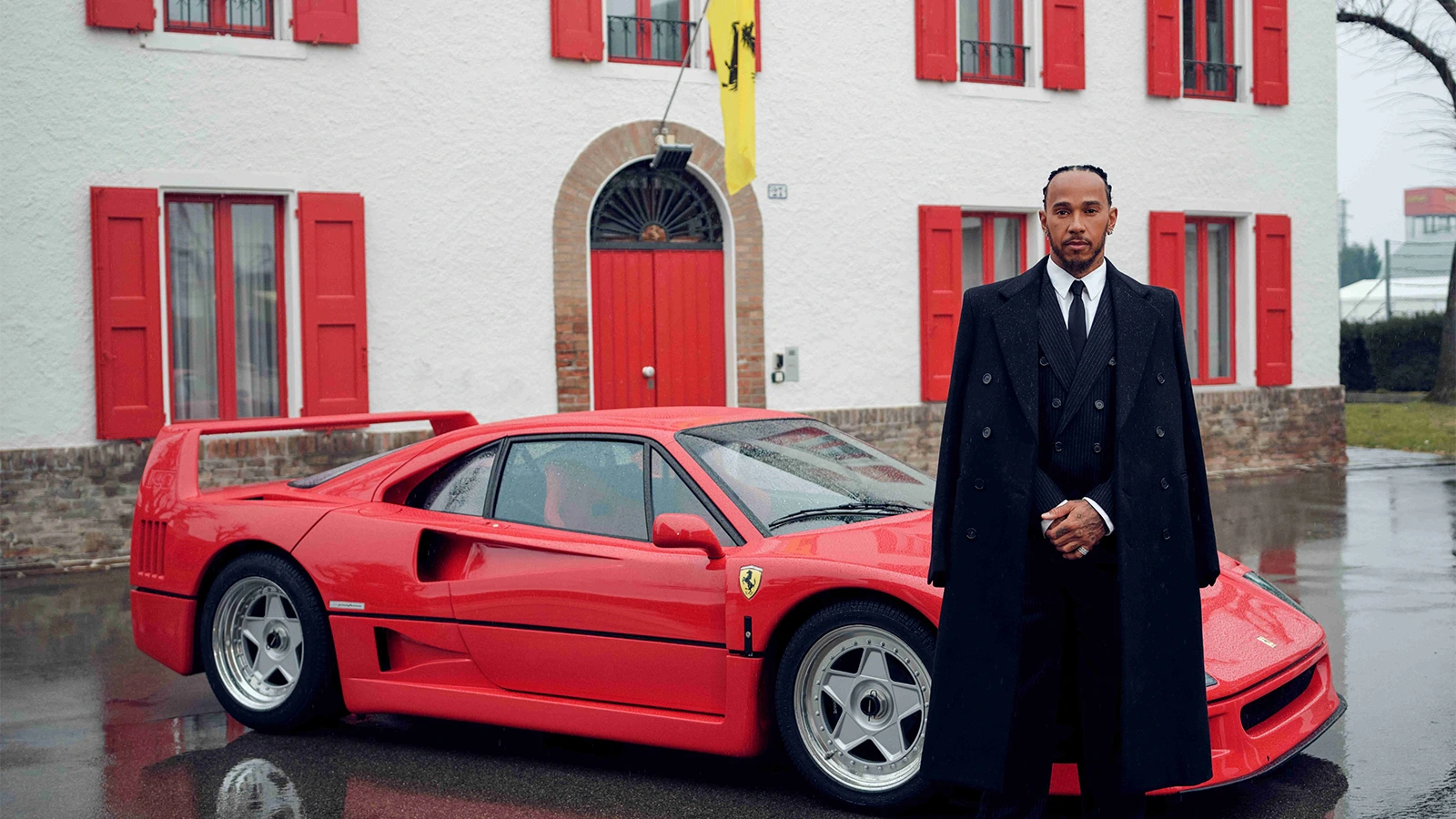
Lewis Hamilton: Testing the online high rollers
Lewis Hamilton has also tested his skills against elite opposition. In 2020, the seven-time world champion entered a $10,300 buy-in High Roller tournament on GGPoker. While Hamilton bowed out in 113th place out of 130 entrants, the online event placed him at virtual tables alongside seasoned high-stakes players like Christian Rudolph, Timothy Adams and Isaac Haxton.
Despite an early exit, the appearance highlighted Hamilton’s willingness to challenge himself against top-tier competition in entirely different arenas.
Robert Kubica: A lifelong affinity for the game
Robert Kubica, the first and only Polish driver to start a Formula 1 grand prix, stands as one of the most respected figures in modern motorsport. Known for his technical feedback, natural mechanical empathy and stoic determination, Kubica carried those same analytical traits into his long-standing love for poker.
Throughout his active Formula 1 career with BMW Sauber and Renault, paddock insiders were well aware of Kubica’s talent with a deck of cards. Travelling across five continents week after week, downtime between engineering debriefs and practice sessions was frequently filled with impromptu poker games among drivers, mechanics and team personnel.
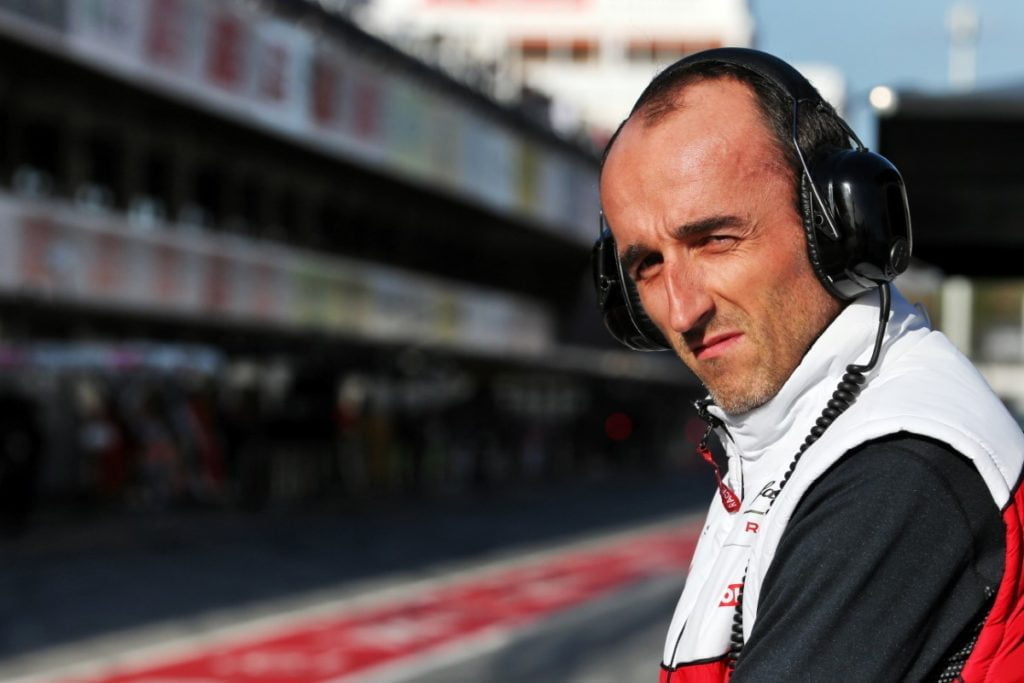
While Kubica kept his poker hobby away from commercial headlines, the depth of his passion became public knowledge following his life-threatening rally crash in early 2011. As he faced an arduous recovery in an Italian hospital, several fellow drivers and paddock friends brought him a custom, professional poker set to keep his spirits up and his analytical mind active. Even during his eventual return to the F1 grid and subsequent campaigns in endurance racing, Kubica has maintained his interest in tournament poker, viewing it as an ideal exercise in patience, pattern recognition and focus.
Fernando Alonso: High-stakes focus
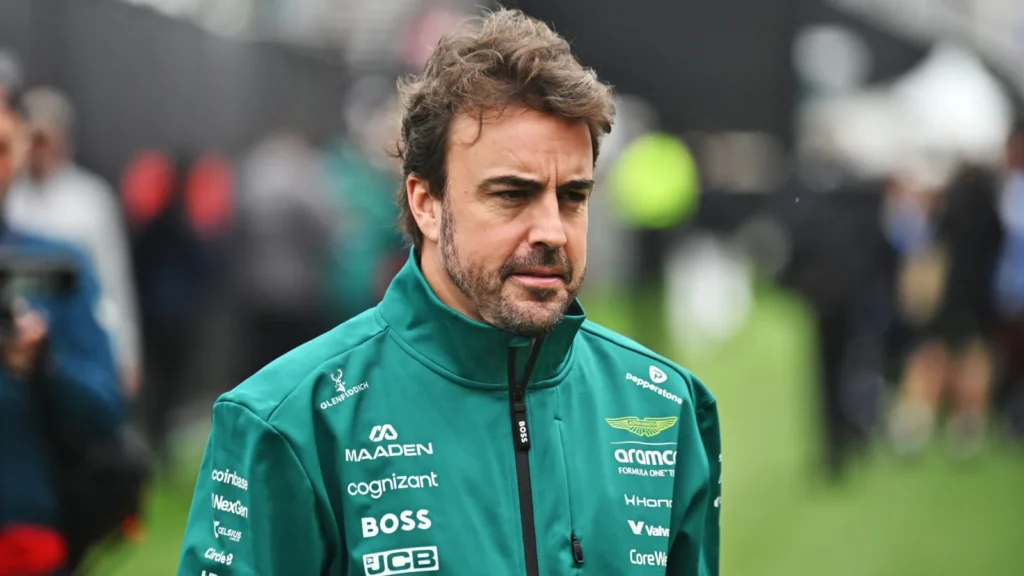
Two-time world champion Fernando Alonso has been a cornerstone of Formula 1 for over two decades. Beyond his racing craft, the Spaniard enjoys the competitive psychology and tactical calculations of poker.
Alonso has occasionally shared photos on social media featuring his home games and tournament stacks. Over the years he has taken part in several prominent charity events and remains a familiar figure in premier casino card rooms worldwide, occasionally crossing paths with established poker professionals.
The natural synergy: Why drivers thrive in poker
The crossover between Formula 1 drivers and poker extends beyond disposable income and a taste for competition. Modern grand prix racing and high-level poker share a near-identical philosophical architecture.
Risk-to-reward ratios: In a cockpit, an overtaking manoeuvre into Turn 1 involves balancing tyre grip, aerodynamic wake and the risk of contact against championship points. At the table, sizing a river bluff requires balancing pot odds against an opponent’s perceived range. Both decisions demand probabilistic calculations made under strict time constraints.
Managing variance: In motorsport, a mechanical failure, sudden downpour or ill-timed safety car can ruin an otherwise flawless weekend. Similarly, a brutal bad beat can erase a poker tournament run. Surviving either arena demands emotional detachment from immediate variance and a commitment to long-term positive expected value.
Deciphering opponents: Formula 1 drivers constantly evaluate the behaviour of the cars around them — judging whether a rival is defending aggressively, nursing failing brakes or baiting an attack. In poker, extracting tells, spotting irregular bet sizing and deciphering non-verbal cues requires exactly the same perceptive radar.
As Formula 1 continues to blend rigorous data science with psychological grit, the crossover with the poker world will only deepen. For drivers trained to thrive in chaotic environments, thirty seconds at a card table provides a different kind of proving ground: an arena where nerves of steel, acute self-control and absolute conviction reign supreme.