
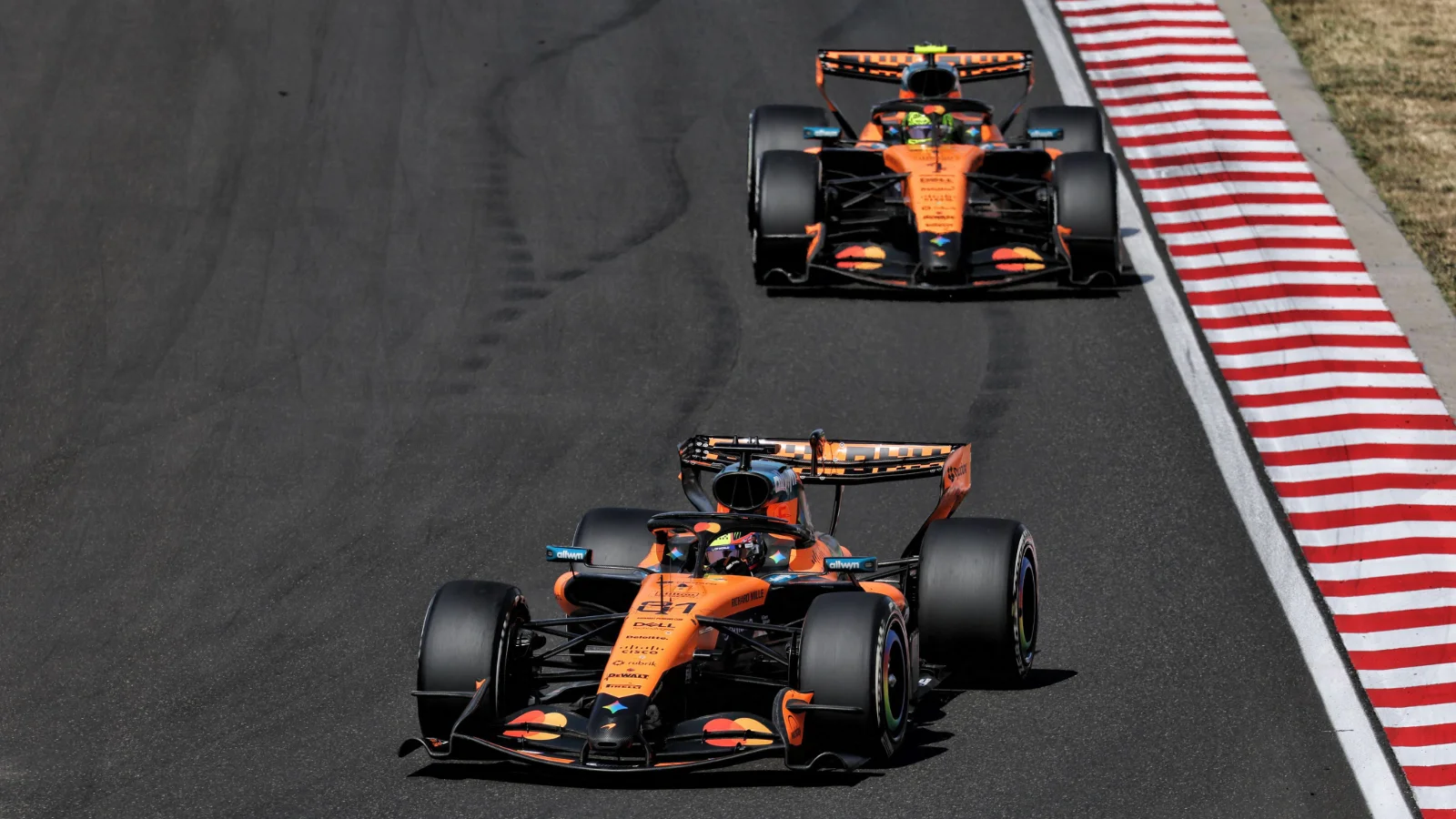
McLaren’s decade-long journey from crisis to World Champions
Entering 2026 as the reigning champions, McLaren’s outlook a decade ago could not have been more different, or dire.
Having struggled to ninth in the standings in 2015 in the first year of its ill-fated reunion with Honda. It climbed to sixth in 2016, but internal struggles within the team were rife.
A power struggle led to the dramatic ousting of the leadership team, including CEO Ron Dennis, after 37 years at Woking, replaced by Zak Brown. Team Principal Éric Boullier resigned in 2018 as part of Brown’s complete restructuring of the team.
The final major change came in late 2022, when Andrea Stella became Team Principal, succeeding Andreas Seidl, and a new style of management was introduced.
Since then, McLaren’s transformation has been remarkable, culminating in back-to-back Constructors’ Championships in 2024 and 2025, along with Lando Norris’s maiden Drivers’ title last year.
Singh detailed the seismic cultural shift at McLaren since Stella took over, highlighting the transformation to a blameless culture.
“The main thing is just the leadership changed with Andrea and Zak, and I think that’s just empowered everyone to go about their jobs,” Singh told Sky F1.
“There’s no blame. I don’t know how easy it is to look over that.
“But if you’re doing things that are quite stressful that can go the wrong way because they’re based off percentages, like doing the strategy, you sometimes get caught up in thinking, ‘oh, what will people think if I make a mistake’.
McLaren’s approach to strategy and decision-making under Stella has become something of a case study within the paddock, with senior figures at the team repeatedly pointing to a culture that prioritises collective learning over individual blame, even when high-profile errors have cost the team results.
That philosophy arguably faced its biggest test in 2026, given the MCL40’s struggles in the first half of the year prior to Lando Norris’s win at the Hungarian Grand Prix.
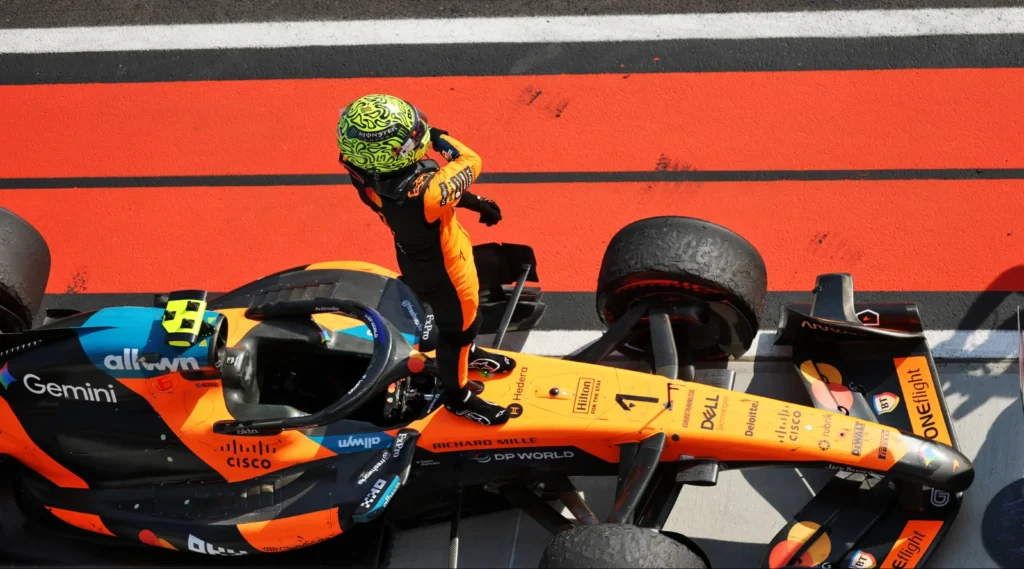
McLaren details supportive atmosphere
Singh confirmed that race errors and decisions are viewed at a collective level, calling the style of working “empowering”, with team members not individually blamed.
“There’s none of that here. You just get on with constantly improving. You don’t worry if there’s a bad result.
“If there’s a bad decision, obviously you try and dig into it and try and understand it and improve.
“But seriously, there’s no blame whatsoever. You come out of races where there’ve been mistakes.
“Good things, bad things, and you treat them the same way. So that’s really empowering.”
It is a stark contrast to the McLaren of a decade ago, when internal politics and leadership upheaval defined the team’s public image as much as its results did.
The journey from a ninth-placed finish in the constructors’ standings in 2015 to reigning World Champions in 2026 stands as one of the most significant turnarounds in modern Formula 1, and one that McLaren’s personnel consistently credit to the cultural reset overseen by Brown and Stella rather than to any single technical breakthrough.




Discussion about this post