
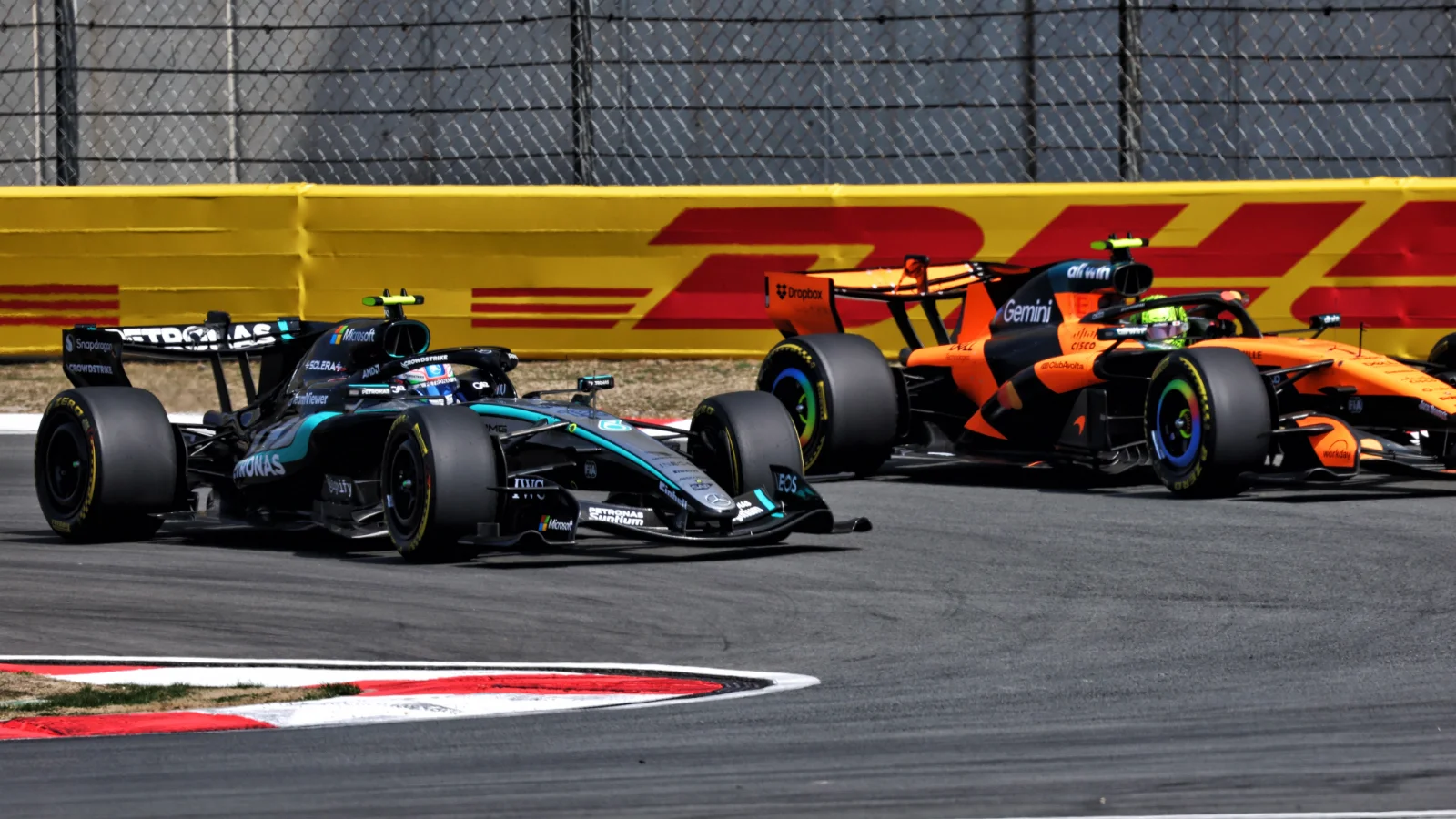
McLaren has struggled to make the most of the dominant Mercedes Formula 1 powertrain for much of this season, but has come up with an ingenious way to solve that.
The Woking-based squad has been unable to muster a significant level of performance throughout much of this season, as it defends both Drivers’ and Constructors’ titles.
Whilst having dominated the teams’ fight over the last two seasons, the MCL40 has not lived up to expectations, with Mercedes and Ferrari being the primary challengers for glory.
The German marque’s power unit has been the one to beat this year, having shaken off its pre-and-early-season anomalous reputation, due to having found performance through a loophole in the new polarising technical regualtions.
Whilst the works team has utilised it to the best of its ability and leads both championships, there has been some question marks of reliability, which has been more pronounced in its customer teams, including McLaren.
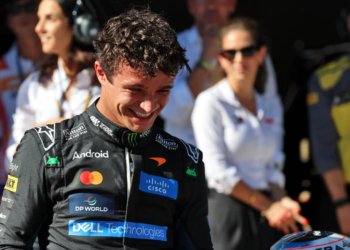
The papaya outfit has signalled some rejuvenation with a dominant win from Lando Norris in Hungary, heralding hopes of a fully-fledged comeback from when the sport returns from its summer hiatus in Zandvoort in just over two weeks.
And whilst that shutdown enforces teams to abandon work on their respective machines until racing commences, McLaren has found an outside-the-box method of working out how it can extract more power from the engine.
“We have a power unit performance team now, which we didn’t have before,” said Mark Temple, its Technical Director for Performance. “They’re focused on understanding how we get the most out of the power unit.
“They’ll study track data and work with race engineering but also use our simulator and offline tools to maximise our performance.
“It’s definitely a new set of skills, and a new way of working – because these are things we didn’t really need to worry about before.”
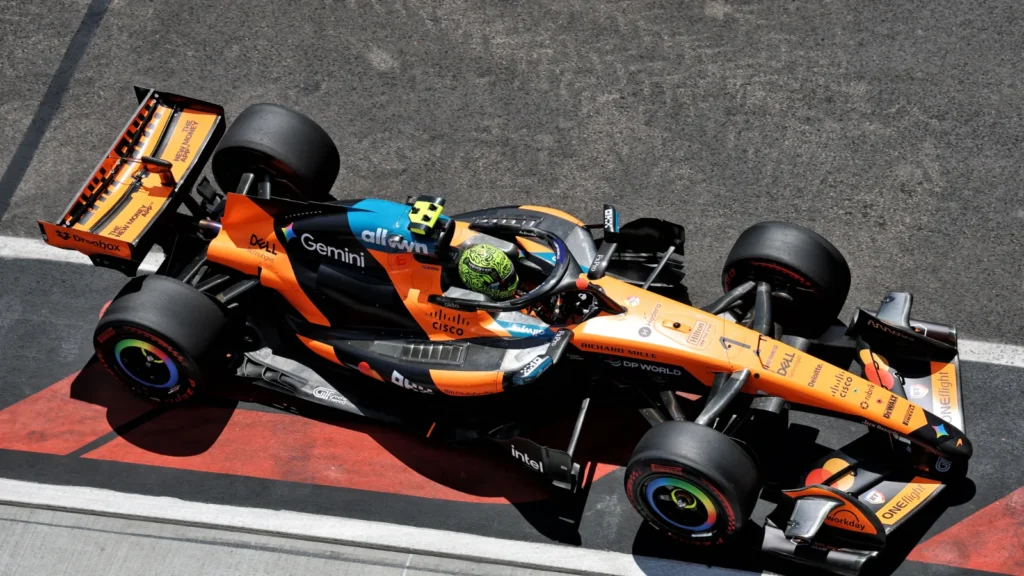
How McLaren is working ‘out of the loop’ with Mercedes PU problems
The rulebook is pretty stringent on manufacturers giving their customers the same level of updates and specs of the power unit, but it stands to reason that the works team, if there is one, is likely to have coded it quicker and better than the others.
Temple explained the process of working with Mercedes High Performance Powertrains, confirming continuation of collaboration with the Silver Arrows, as well as its new in-house taskforce.
“We do have considerable input, but ultimately MGP [Mercedes Grand Prix] have the final say with HPP on what happens.
“That shouldn’t be taken to mean we’re ignored – we’re ultimately just not the ones in complete control.
“The way HPP work on a race weekend is with a main team and customer support teams. We work very closely with our customer support team and have good relationships with people in the main programme.
“From that, we have influence on what’s happening within the main programme – but we don’t have guarantees they’ll accept things we request.
“We’re a little out of the main loop in that respect, working in a side loop that feeds into the programme, but it means we don’t always get the configurations we want and that would suit us.
“It’s the same with the timeline. In the run-up to a race, we receive information from HPP, but there’s decision-making and evolution we’re not part of.
“When we find out what we’ve got, there’s often not a huge amount of time to react and respond – so part of what we’re trying to do this year is build and improve our process to make this less of a limitation.”
Should McLaren’s overall upgrades suite that was so successful in Hungary continue to show improved performance, then increased understanding of the power unit may see its grip on both titles continue to hold firm.
READ MORE – Former IndyCar driver makes bold Racing Bulls 2026 F1 prediction




Discussion about this post