
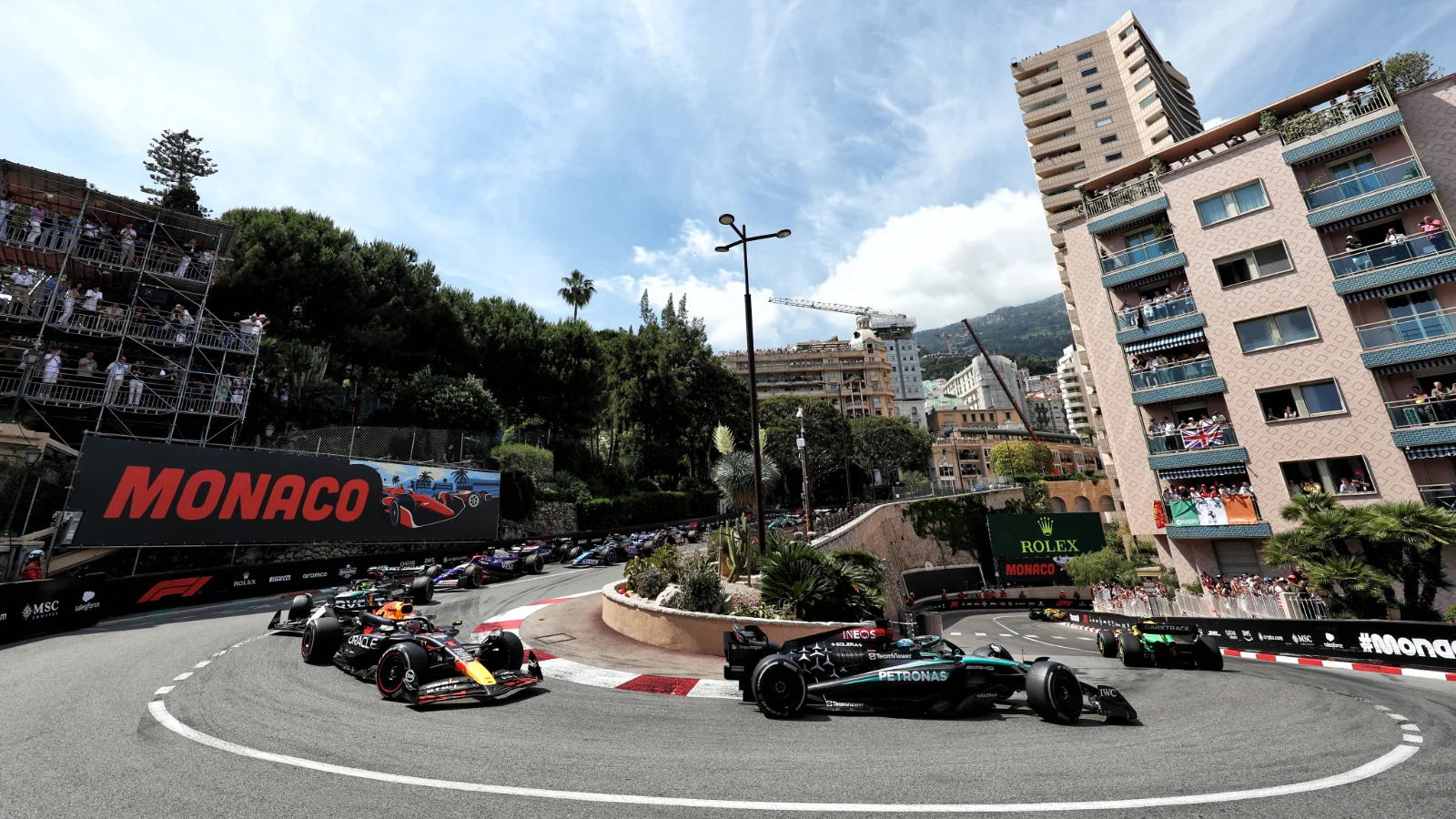
The FIA has confirmed a major format change to the upcoming Formula 1 Monaco Grand Prix, as the sport’s new era of car prepares to take to the legendary circuit.
The F1 Monaco GP, a staple of the calendar, is one of the highlights of the racing year, as cars race around the fabled streets of Monte-Carlo.
But its narrow streets lead to an issue for the racing action itself – the art of overtaking.
Drivers can follow rivals, but struggle to overtake given Monaco’s twisty nature, an issue exacerbated in recent years by the size of the previous generation of car.

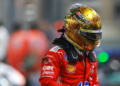
In an attempt to counter this, the movable rear wings that have featured in Monaco through DRS have been available to drivers to activate.
In previous years, the detection for the now dropped DRS was at Rascasse, with the activation point at the exit of the final corner, Anthony Noghes.
For 2026 however, this will change, as the sport prepare to debut its radical new car and form of racing in Monaco.
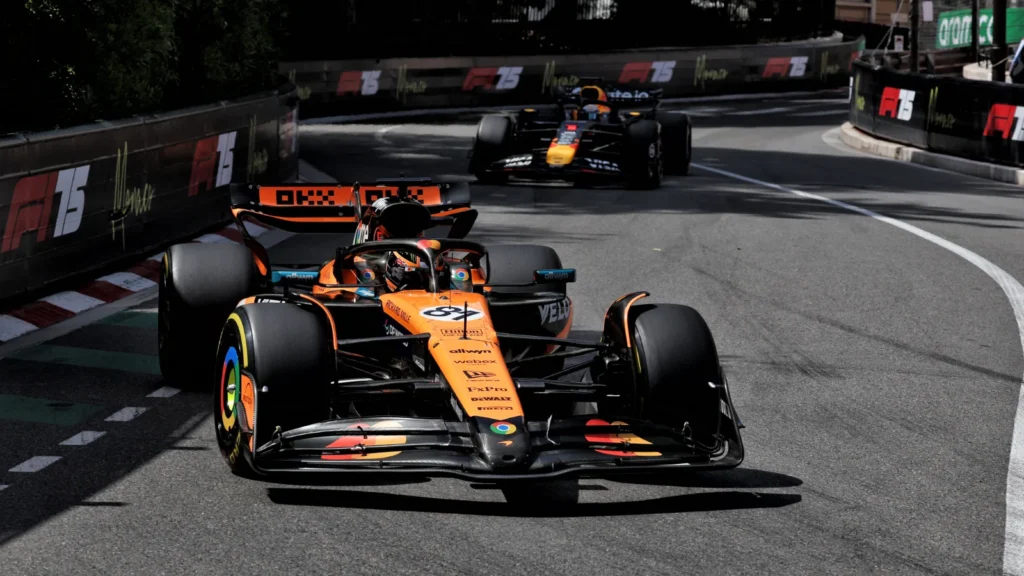
Ahead of the race, the FIA has confirmed that for 2026, no movable wing aids will be available to drivers, removing “Straight Mode” as an option for drivers.
It is likely this decision has been taken due to the dramatic differences in downforce seen when Straight Mode is in use, the potential of dangerous closing speeds rearing its head once again.
The removal of straight mode is likely to have a significant impact on the racing, with drivers able to deploy their batteries to pass rivals in smaller cars.
But Monaco’s unique characteristics mean that battery management is also likely to be excessive, recharging necessary across the lap.
The recipe of the 2026 cars and Monaco’s unique challenges make the results of this year’s race difficult to predict. Any overtaking will be seen as victory in itself.




Discussion about this post