Betting on Formula 1 right now feels like catching smoke with bare hands. Between rookie upsets and power units surrendering mid-straight, Montreal is bracing for absolute sporting entropy.
Standing in the Montreal paddock will feel different this year. Smells of smoked meat from Schwartz’s mingle with the acrid scent of overworked electronics. Everyone’s whispering about Kimi Antonelli’s 100 points.
Nobody expected a rookie to lead Mercedes while Max Verstappen sits in seventh with a measly 26 points. Rumours of “clipping” telemetry are spooking everyone from team principals to casual punters because leaders are becoming sitting ducks.
Speed traps show cars dropping 15km/h in the final quarter of long straights as energy recovery systems hit a wall. Betting on a winner is a gamble on hardware survival at this point.
Montreal’s rhythm and the volatility of the grid
Montreal’s rhythm is changing. While 355,000 fans prepare to swamp the island, the data centres are frantically recalibrating expectations for a season where nothing is certain.
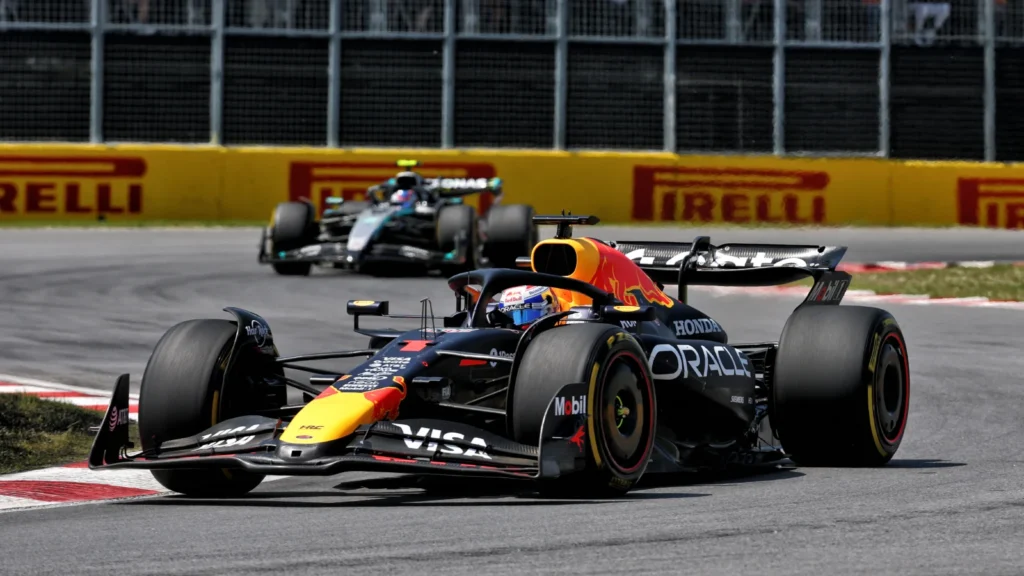
Mercedes found a sweet spot in the software, yet the Red Bull-Ford camp is drowning in technical debt. George Russell’s 80 points keep the Silver Arrows in a consistent lead. Charles Leclerc is fighting a Ferrari that can’t harvest energy consistently, leaving him at 59 points and struggling for air.
Chaos reigns.
Peel Street is already vibrating with that distinct pre-race hum; however, the real tension sits in the data centres where the bookies are trying to price a rookie leader with 100 points.
Kimi Antonelli has essentially turned the 2026 form book into kindling, while Max Verstappen’s 26-point tally feels like a glitch in the simulation. If you’re grabbing a drink and a late-night poutine in the Plateau — the best way to warm up against the crisp May air — the chatter is all about the “clipping” at the hairpin; it’s the 15km/h drop-off that’s killing the favourites on Sunday.
The STM’s Yellow Line is finally humming at full capacity, shuttling a projected 355,000 fans toward the Jean-Drapeau station. Fans are flooding the island to witness a technical management slog.
Most experts agree that the winner on Sunday won’t be the fastest car, but the one with the most efficient harvesting cycles.
Ontario’s regulated F1 betting analysis
With the new rules in effect, betting on F1 this season has totally changed. The online casino scene keeps growing, and most local fans use Sportsbook Review to find the highest-rated sportsbooks in Ontario for their race-day bets.
Financial data from 2025 reveals the market hit CA$4.04 billion in revenue; record 34% surges coincide with over 1.28 million active accounts choosing these legal channels for their security and faster payout speeds.
Darren Kritzer, Senior Editor of sportsbookreview.com, notes: “Just as Ontario sports bettors have a buffet of sportsbook options, they also have access to a wealth of responsible gambling resources. To ensure that you are fully protected as a bettor, you want to make sure you’re playing with sportsbooks licensed and regulated by the Alcohol and Gaming Commission of Ontario and its subsidiary, iGaming Ontario.” Relying on these verified lists ensures that every wager stays within a protected environment.
The paddock cheat sheet: 2026 performance metrics
Hardware dictates the result on straights longer than 800m. Cars lose 15km/h in the final sector as ERS depletes and batteries hit a zero-charge state. Balanced 50/50 splits mean half of all torque is now electrical; this makes traction out of the L’Épingle hairpin the most critical betting metric for Sunday.
The hairpin has never been this punishing for a battery pack. Weight reductions of 30kg make the chassis lighter than 2025, but recovery cycles are far more punishing on the tyres during long runs.
Hardware headaches and the 2027 power pivot
Frustration is boiling over. Oscar Piastri didn’t hold back after the chequered flag in Miami; he essentially signalled that no amount of code can fix a car that runs out of breath mid-straight. Drivers are tired of managing batteries instead of racing wheel-to-wheel. Paddock insiders suggest the current hardware has reached its limit.
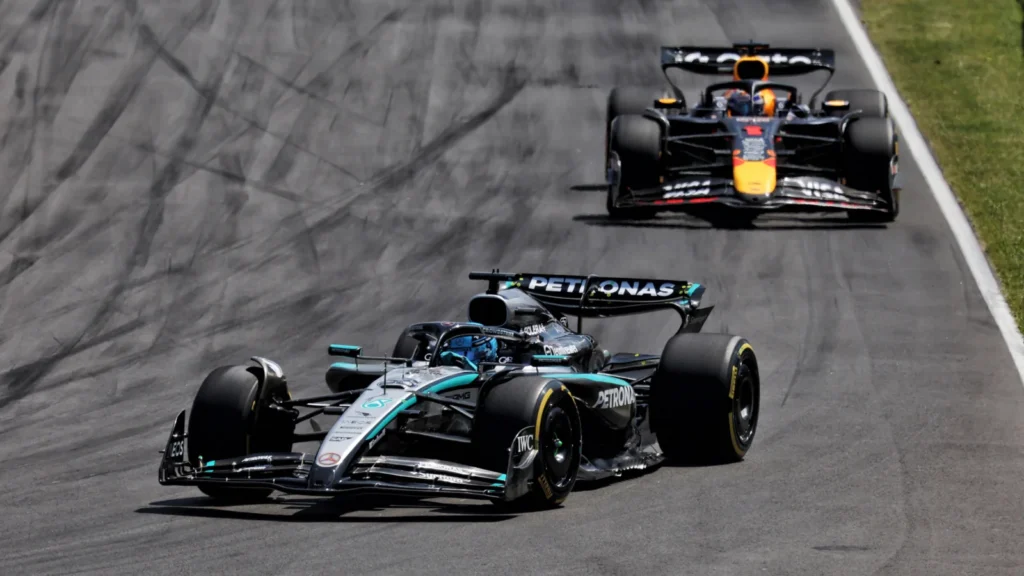
Piastri called for more changes after the Miami GP, stating: “From that side of things, not much has really changed. I think the collaboration again from the FIA and F1 has been good, but there’s only so many things you can change with the hardware we have. Some changes in the future are, I think, still needed for sure. How quickly we can do it is the big question.”
Reacting to this discontent, the FIA finally blinked on May 8, announcing their 2027 changes. The official joint statement from the governing body explains: “The measures agreed in principle today for 2027 would see a nominal increase in Internal Combustion Engine (ICE) power by ~50kW with a fuel-flow increase and a nominal reduction of the Energy Recovery System (ERS) deployment power by ~50kW.”
By the time the lights go out in Montreal next Sunday, the paddock will be buzzing about whether these 50kW tweaks can salvage the show or if 2026 is just a one-year experiment in over-electrification.