
The FIA has announced that revisions to the new Formula 1 power unit regulations have been agreed for the 2027 season, centred around a shift in the ratio between combustion and electric power.
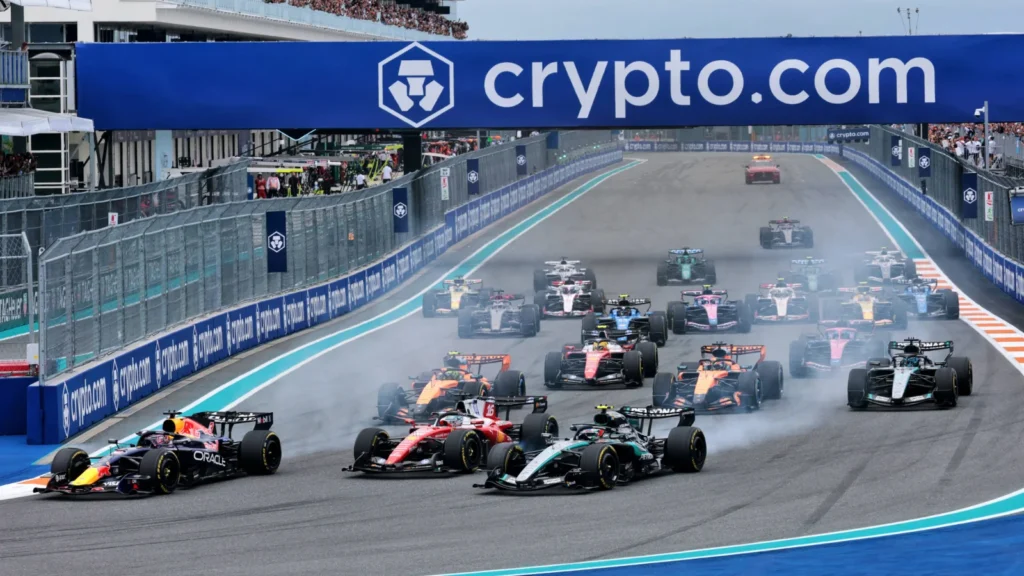
F1 returned in Miami last weekend with “refinements” to the much-maligned new technical regulations, which included changes to how energy is harvested, altering the ‘super-clipping’ limit from 250kW to 350kW.
There was a distinct improvement in the quality of racing on show, but drivers after the race, despite agreeing it was a step in the right direction, concluded that there is more still to be done.
Other changes implemented from Miami will continue to be evaluated, with “further adjustments” also set to be discussed prior to the Canadian Grand Prix.


Friday’s meeting began with an evaluation of this, with agreement that, as per the FIA’s statement, that “no material issues or safety concerns had been identified.”
The statement continued with confirmation that there was a “unanimous commitment to introduce changes which further enhanced fair and safe competition, that were intuitive for drivers and teams and were in the best interests of the sport.
“The measures agreed in principle today for 2027 would see a nominal increase in Internal Combustion Engine (ICE) power by ~50kW with a fuel-flow increase and a nominal reduction of the Energy Recovery System (ERS) deployment power by ~50kW.
“The final proposals presented during today’s meeting are the result of a series of consultations over the past few weeks between the FIA and multi-stakeholders with invaluable input from F1 drivers.”
With FIA president Mohammed Ben Sulayem announcing plans for F1 to return to V8 engines by 2031 over the Miami GP weekend, this announcement shows a significant shift approach in terms of the new regulations, perhaps inching closer to a semblance of placation to those who have vocalised their displeasure with them.
READ MORE – McLaren calls for major F1 PU changes with two-year deadline







Discussion about this post