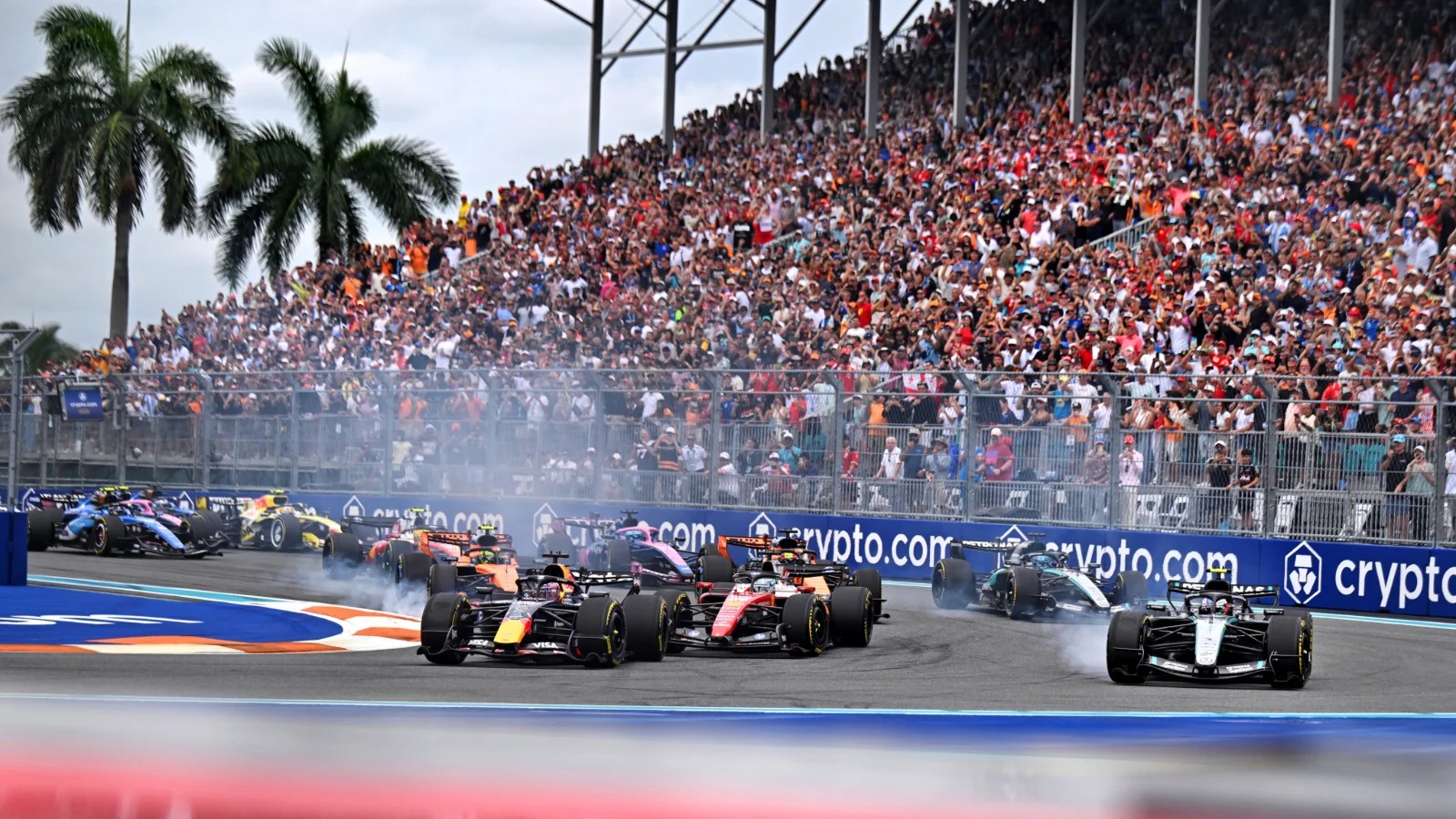
The tension in a Formula 1 paddock on a race weekend is palpable. Engineers pore over terabytes of simulation data. Strategists model countless scenarios, their decisions worth millions in prize money and championship points.
This high-stakes environment, where split-second choices define victory or defeat, mirrors the calculated risk and thrill found in strategic gaming. For fans who appreciate this blend of analytics and adrenaline, exploring a platform like the Rocket Play casino no deposit sign up bonus offers a parallel form of strategic entertainment. Just as a team must manage its tyre compounds and fuel loads, a smart player understands the value of a well-timed bonus.
The motorsportweek.com website, a premier source for 24/7 updates across F1, MotoGP, and WEC, captures this essence of competition, where every detail matters.
Key facts: The strategy behind the speed
Modern F1 strategy is a complex science, far removed from simple fuel-and-tyre calculations. Teams leverage real-time data and historical performance to make critical calls that often decide the race.


Consider these pivotal statistics that shape every Grand Prix:
- A single strategic pit stop error can cost a team over 25 seconds, effectively ending their chances for a podium finish, as analysis from the FIA’s official race reports frequently shows.
- Pirelli data indicates that the performance delta between a new set of soft tyres and a worn set can exceed 2 seconds per lap at some circuits.
- In the 2023 season, the winning strategy differed from the pre-race simulation’s predicted optimal plan in over 60% of Grands Prix, according to team radio transcripts.
- The 2026 power unit regulations mandate a 50/50 split between internal combustion and electrical energy, forcing a complete strategic overhaul for energy deployment.
- Mercedes AMG Petronas F1 Team’s strategy department processes more than 15 billion data points during a single race weekend.
- A successful undercut manoeuvre, where a driver pits early to gain track position, typically requires a lap time advantage of at least 1.5 seconds on the out-lap.
The pre-race simulation gauntlet
Long before lights out, teams run thousands of digital race simulations. They model weather changes, safety car probabilities, and rival reactions. Both activities require an assessment of risk versus reward. A strategist must decide if an early switch to intermediate tyres in changing conditions is worth the gamble. The core appeal lies in making an informed decision under pressure, a theme central to motorsportweek.com race analysis, which dissects these critical pre-race preparations.
Data, DRS, and decisive moments
The race itself is a fluid puzzle. Real-time telemetry on tyre degradation and fuel flow dictates the plan. A sudden virtual safety car can offer a “free pit stop” — a moment of fortune teams must capitalise on instantly.
Teams operate with a blend of cold, hard data and instinct. They manage resources such as electrical energy for battery deployment with precision. Every overtake using DRS is a calculated move, a small win in the larger battle.
The human element in a digital age
Despite the supercomputers, the final call often rests with the human strategist on the pit wall. They must filter the noise, ignore misleading data from other cars, and trust their driver’s feedback. This human judgement separates good teams from great ones.
The driver, too, is a vital sensor, reporting tyre feel and brake performance that machines cannot fully capture. This synergy between human intuition and algorithmic prediction is the ultimate edge — a compelling narrative that outlets like motorsportweek.com highlight in their post-race driver debriefs and technical features.
Race strategy is the invisible hand guiding the spectacle of Formula 1. It transforms raw speed into a tactical masterpiece, where preparation meets opportunism. For the astute fan, understanding these layers deepens the appreciation of every on-track battle. The pursuit of advantage, whether in the paddock or in a game of chance, remains a fundamentally human challenge.