
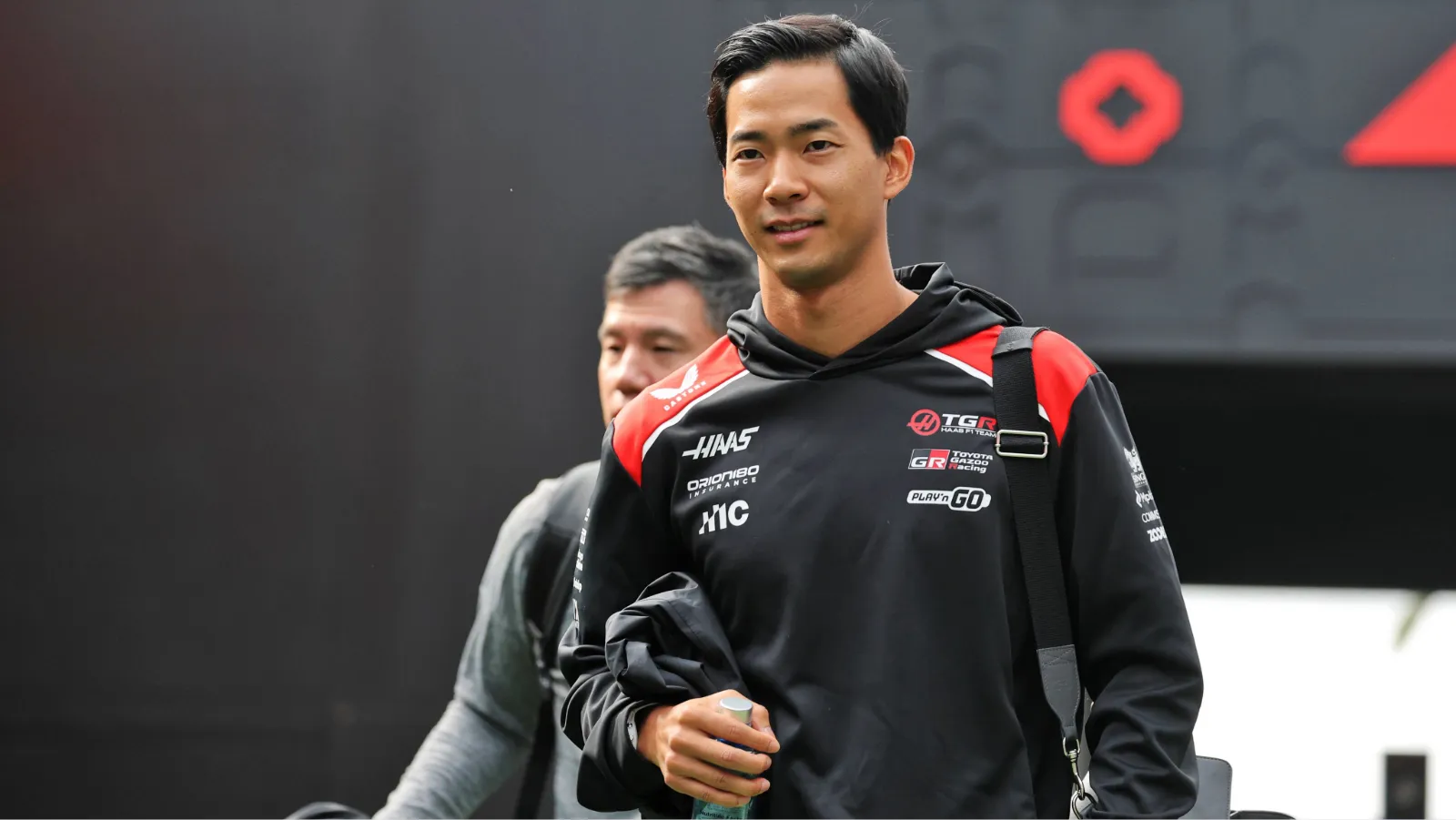
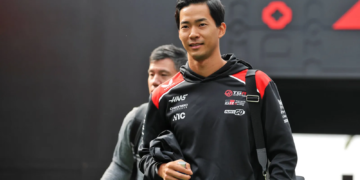
Ryō Hirakawa has been classified 10th on his Formula 1 debut at the Mexico City Grand Prix, after three post-race penalties handed the Haas stand-in a point he did not know he had scored when he spoke to media after the race.
The Japanese reserve driver replaced Esteban Ocon from final practice onwards, after Haas made the shock decision to stand the Frenchman down mid-weekend. The team has not explained the change, saying only that it was not due to illness. Hirakawa had already driven Ocon’s car in first practice on Friday as part of F1’s rookie requirement.
He crossed the line 13th. Both Alpine drivers were then penalised for failing to slow under yellow flags. Pierre Gasly’s stop-and-go penalty for ignoring double waved yellows was converted into a 30-second time penalty, dropping him from 10th to 17th. Franco Colapinto received a 10-second penalty for failing to slow under single waved yellows, dropping him from eighth to 15th. Oscar Piastri was also given a 10-second penalty for a clash with Arvid Lindblad, falling out of the points from seventh.
That promoted Liam Lawson, Gabriel Bortoleto and Isack Hadjar, with Hirakawa completing the top 10.

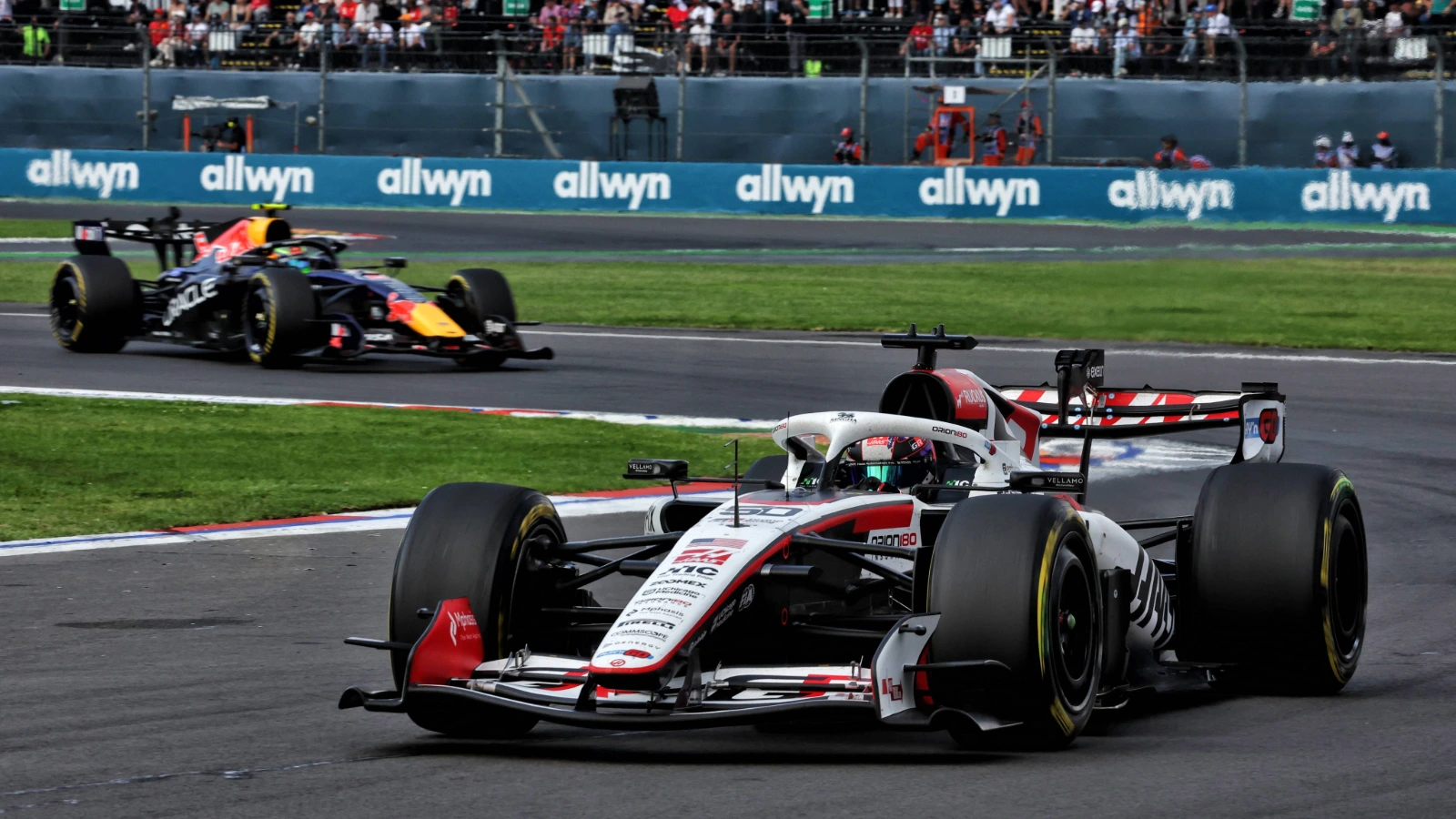
Speaking before those decisions, Hirakawa said he deliberately held back early in the race, wanting to avoid contact and make sure he finished.
“I think it was good. Maybe at the beginning I was a little bit overwhelming with the others. Maybe I had a good start, but I really didn’t want to make any contact because I wanted to finish [all] our laps,” he said.
“This made me a bit bad positioning, but then after that I was staying behind cars and trying to learn. Maybe at the beginning I was a little bit slow compared to the others, but I kept trying to learn from them, staying behind. Then I think after maybe mid to end of the race I had more confidence.
“Especially at the end, I passed two cars after the [safety] car restart.”
The race featured two standing starts. Hirakawa said the long run to Turn 1 at the Autódromo Hermanos Rodríguez made the opening laps especially tricky.
“Yeah, I mean, I have nothing to compare with, but going to Turn 1 is so long. You think about a lot of braking points, the cars left and right, front and rear. It was really tricky, but I managed well.”
Ryō Hirakawa insists he “was always ready” for the call up to a race seat
He also described how difficult overtaking was with the 2026 cars, explaining that he had to wait for the car ahead to lose its overtake mode before he could attack.
“I don’t know how to compare to the other track, but even if you have an overtake, you have a speed threshold, so it’s difficult to make a good move, especially when you are in [a] train,” he said. “So if the car in front loses the overtake, then you can make a move. So I was always waiting for that moment.”
Hirakawa insisted he had been ready for the call, despite its short notice.
“I was always ready for it, because the reason why I’m here is to be ready for it,” he said. “But when I heard the news I was a bit of shaking, but soon after I did my job.”
The Le Mans winner said the physical demands of 71 laps were no problem, and that he had received a flood of messages from Toyota, including from chairman Akio Toyoda.
“I had a lot of messages, especially the big boss, Morizo-san, had big messages. They all supported,” he said.
At that point, Hirakawa did not know whether he would race again in Brazil, or that a point was on its way.
“I have no idea yet. At the moment I just need to enjoy this moment.”
READ MORE:




Discussion about this post