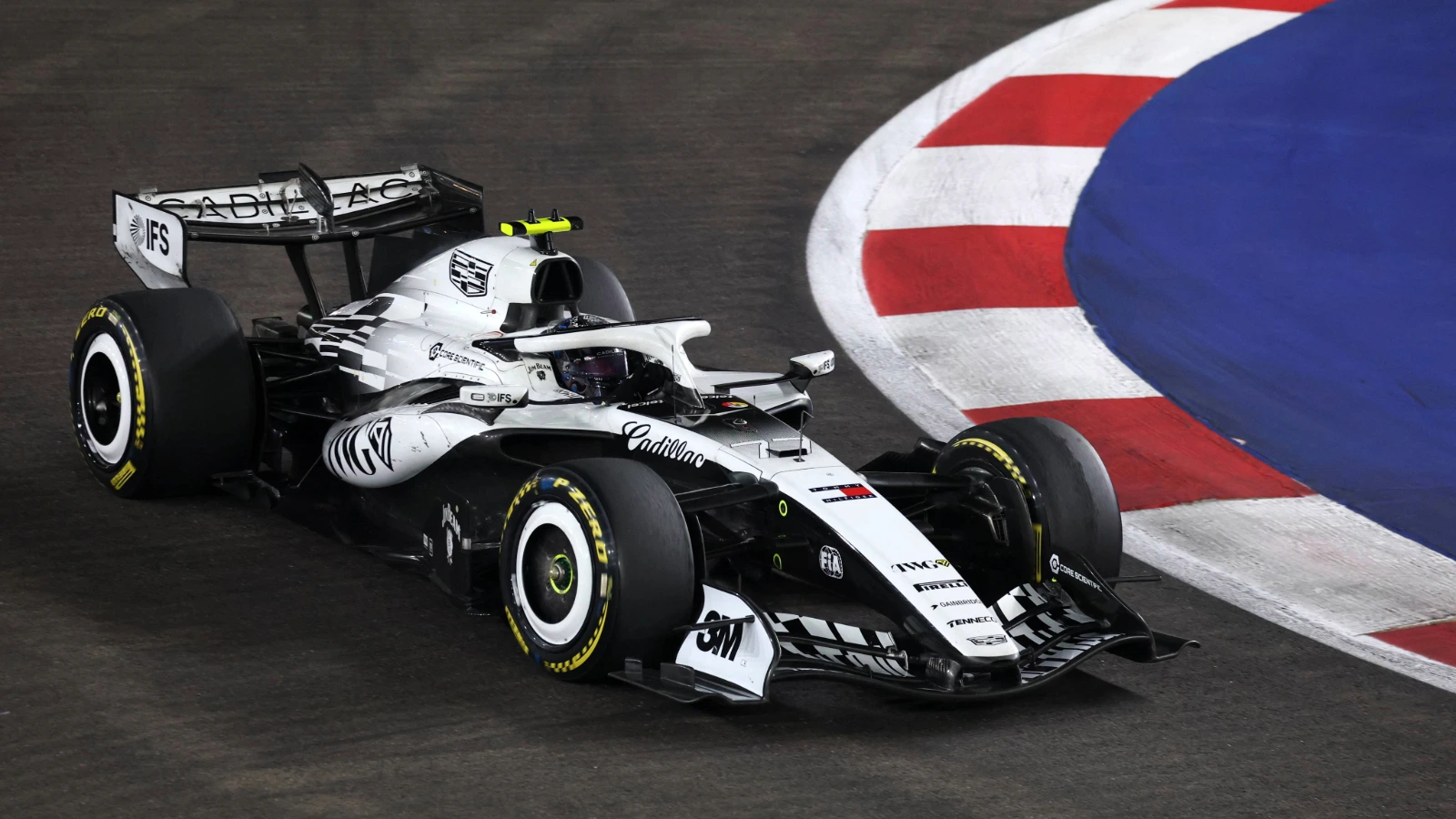
It is pretty big news whenever a new team arrives on the pit lane, but this season felt like a particularly significant step forward with two major consumer car brands — Audi and Cadillac — making their way into Formula 1.
While Audi’s long-standing desire to be in the sport is no secret, Cadillac’s arrival represented a major milestone as the first independent team added to the grid in a decade, since Haas in 2016.
With the title race so closely contested between Ferrari, Red Bull and Mercedes, nobody expected either new entrant to make massive waves on track. Still, and unfortunately for Cadillac, fellow newcomer Audi have enjoyed a great start to the season that, for a beginner, should not to be sniffed at. With drivers Nico Hülkenberg and Gabriel Bortoleto sitting 14th and 15th in the standings respectively, Audi’s position above Williams, Aston Martin and, of course, Cadillac is genuinely impressive for a first-year operation.
What does this mean for Cadillac? While their position at the bottom of the Constructors’ standings may not be unexpected, it has shown the team up into much sharper relief alongside Audi’s relative success. They currently have zero points on the board. A quick scramble to finish above last place is still not totally out of the question. But anything approaching Audi’s level probably and regrettably is out of the question.

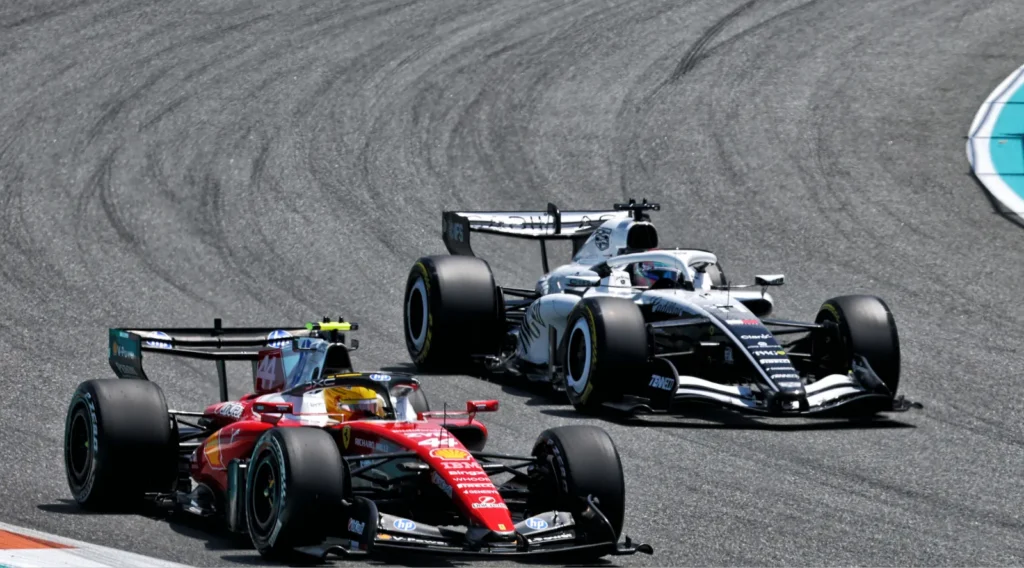
So what is the problem?
The most obvious issue is also the hardest to avoid: the correlation problem. Since Cadillac doesn’t have years of data tying their CFD models, wind tunnel runs to real-world results and race-day feedback. While together, they lack the accumulated institutional knowledge that the other teams — Audi excluded — are able to draw on. This is why nobody expected them to claim pole position every other race or finish on the podium twice a month.
But that is not the whole picture. The real question worth asking is why they are so far behind another new team.
Audi are new too, but not so new…
Because Audi did not build a team from scratch. Their relative success is partially built on the Sauber operation which had been competing continuously since the early 1990s. This is not a knock against them — it is a wise way to enter the sport. The 2026 regulation changes levelled the playing field somewhat. But experience and years of R&D prime other teams to embrace the challenge more effectively.
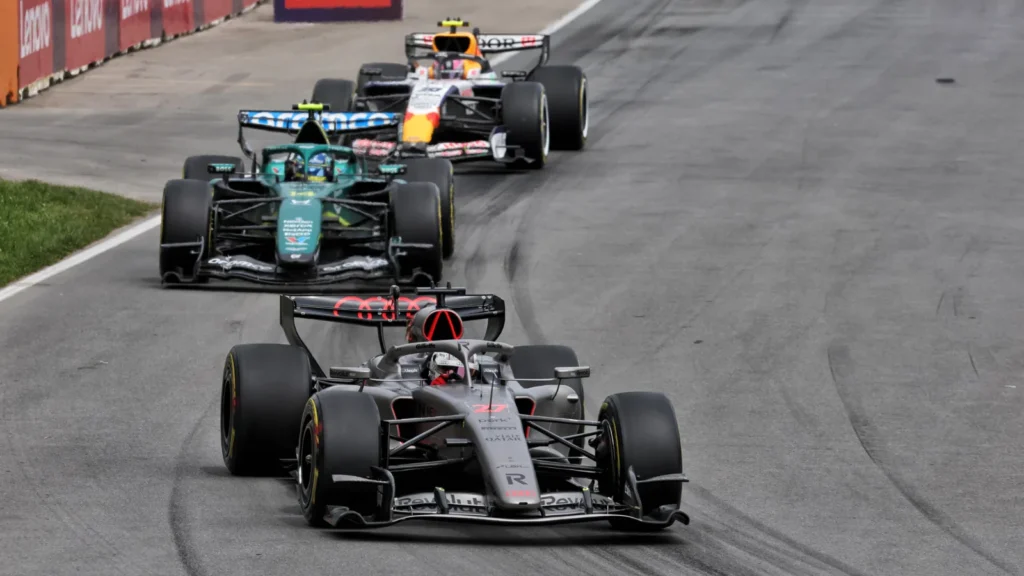
For Audi, leadership and commercial structure changed, the power unit direction changed — but the operational spine held. Much of the team was still there, ready to continue work as usual. For anyone following Cadillac’s results closely — including through sports betting markets that price constructor performance across different circuits — the pattern is readable. Their worst sessions consistently comes at high-speed venues where rear-end stability matters most.
Cadillac’s facility is new, and the staff were recruited rather than inherited. The best F1 engineers in the world typically sit on twelve-month gardening leave clauses that prevent them working for a direct competitor. You cannot simply hire your way to competence on a quick timeline. Instead you hire who is available and who is willing to take the risk. In practice this mans the engineers you really needed walk through the door eight months after you actually needed them.