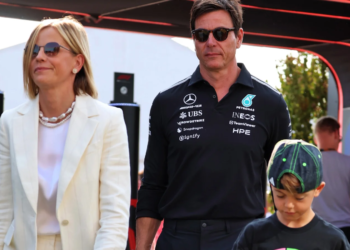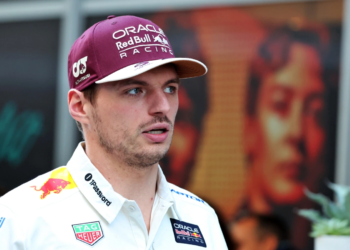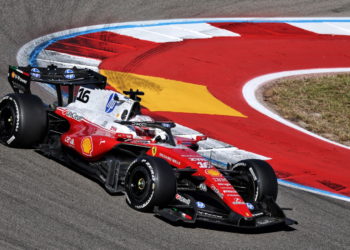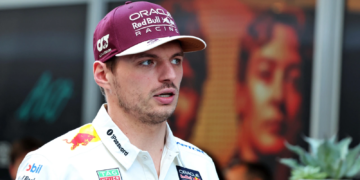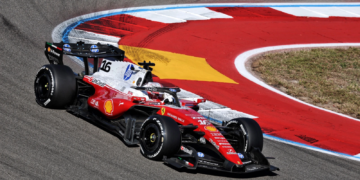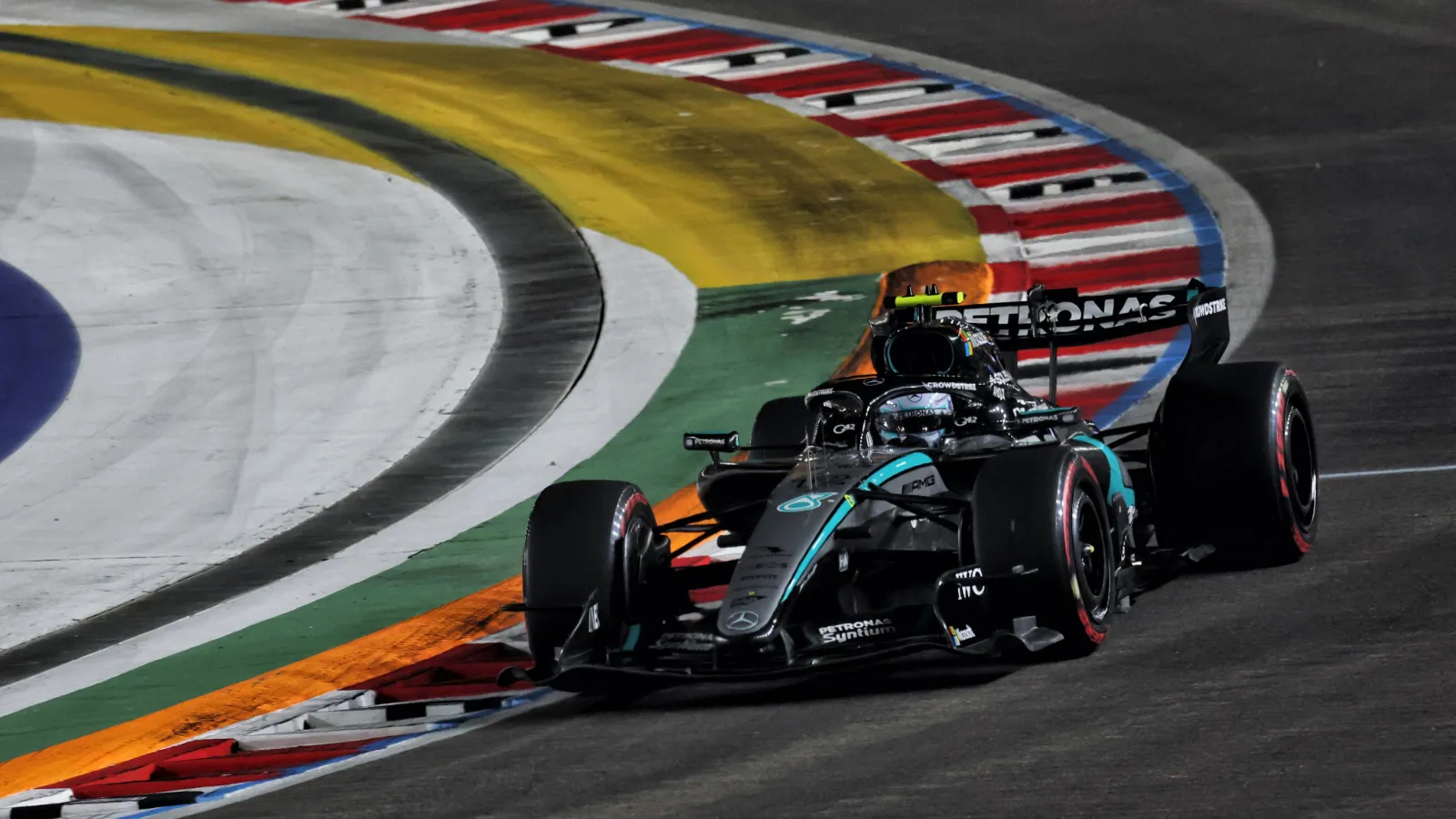
On paper, Mercedes is having a strong season. As of mid-October, they lead the Constructors’ Championship by 124 points and both drivers sit at the top of the table.
Many might have been betting on a tighter fight between Russell and Antonelli by now. Russell trails by more than 100 points, with just three wins to the Italian’s eight. For the team itself, though, the season looks healthy.
So why does it not feel that way?
A season unlike any other
The 2026 rule changes favouring artificial energy harvesting over raw power have divided opinion. All teams adapted to the same regulations, but some have handled the transition better than others.


Mercedes appeared to be among the teams that got it right. The numbers support that view — they sit clear of Red Bull and Ferrari in the standings. Then came Sepang, and the confidence drained away.
What went wrong at Sepang
The rescheduled Bahrain Grand Prix, held at the Sepang circuit in Malaysia, exposed a problem Mercedes had not seen coming. Their response was to debut a new upgrade package on Antonelli’s car while keeping Russell on the old specification.
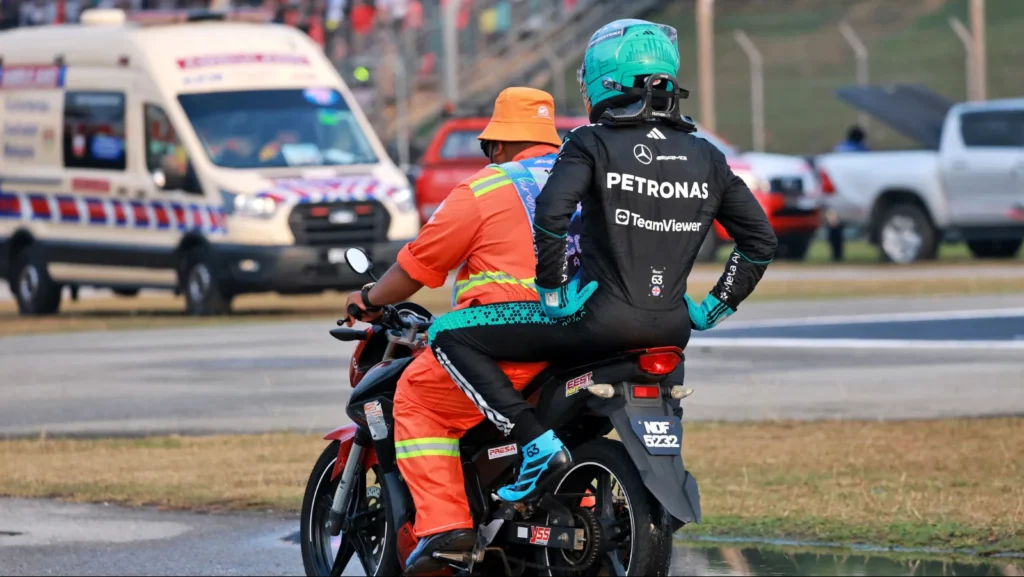
The gap told the story. Russell qualified 0.573 seconds faster in sprint qualifying. Then he retired from the race with engine issues. Red Bull won twice in a row through Verstappen — though the Austrian team still trails Mercedes by more than 200 points in the Constructors’ Championship. The cloud over the Mercedes garage was real.
Singapore and the cost of the penalty
Russell started the Singapore race from the back of the grid after a power unit change. Another grid penalty awaits in Las Vegas. His title hopes are now effectively over.
At Sepang, Antonelli finished second but described the car as “very difficult, very unpredictable.” Braking and corner entry were the specific pain points.
What the engineers need to fix
Mercedes failed to find the targeted 0.3 seconds per lap from the upgrade. Both drivers tested a new two-element front wing in FP1, replacing the single-moving-element version, then reverted to the original specification. The front wing remains the most obvious area of investigation.
Time is the problem. The engineers must find answers quickly. Every race lost to penalties and poor upgrade performance chips away at a lead that still looks healthy on paper but feels increasingly fragile on track.