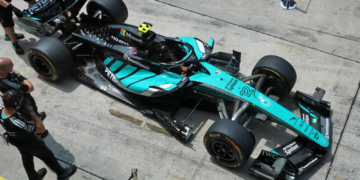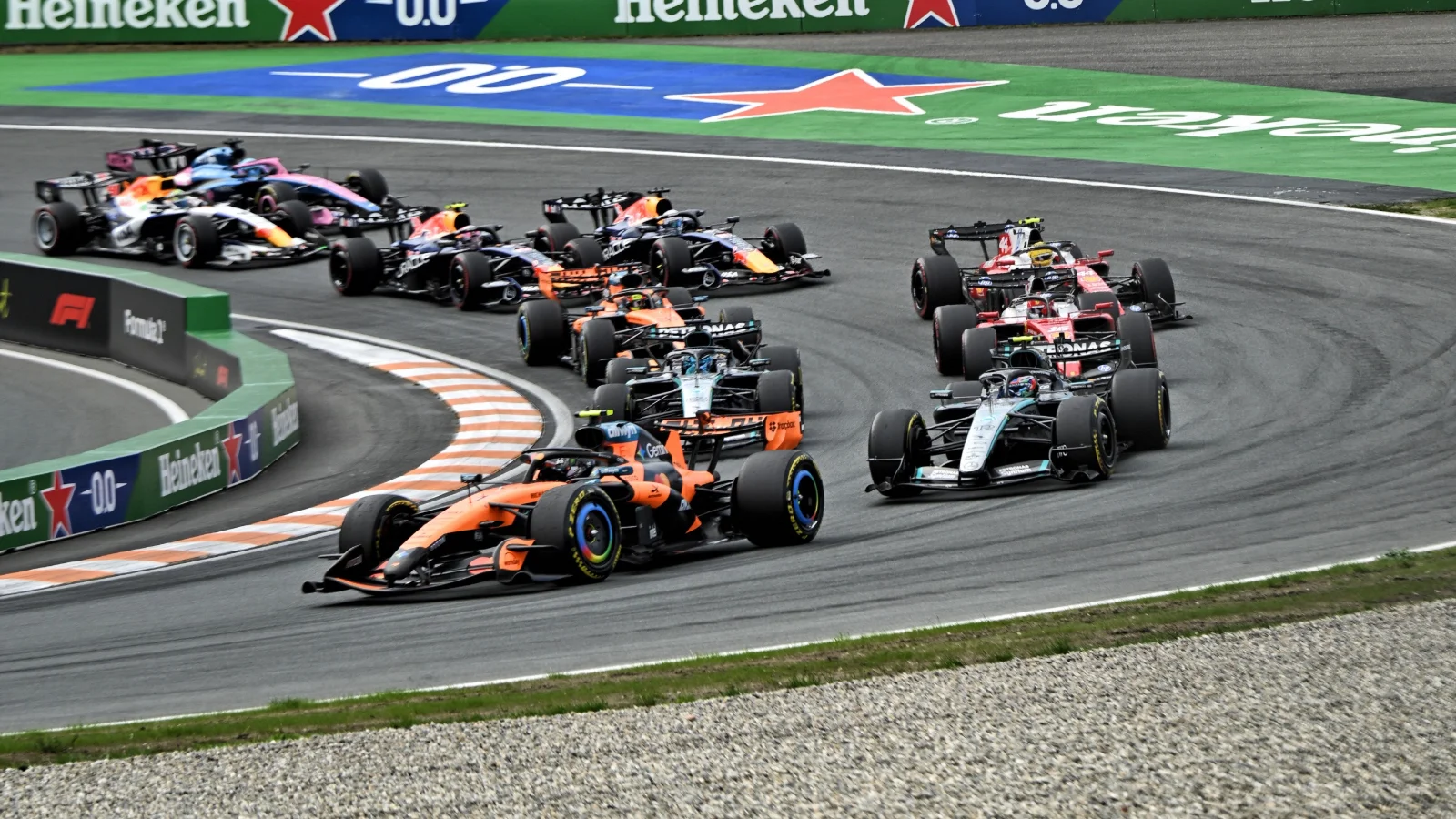
From the outside, a Formula 1 race looks almost uncomplicated. Lights out, cars accelerate, someone wins, the weekend ends. Spend half an hour studying a timing screen during a race and that impression collapses entirely. Modern grand prix racing is a layered, fast-moving strategic contest in which the visible battle on track is often the least complex part of what is actually happening.
The cars are extraordinary pieces of engineering — each one generating thousands of data points per second, feeding information back to engineers who are constantly modelling what should happen next. But the numbers only tell part of the story. Racing at the highest level is also a test of nerve, of timing, and of knowing when to deviate from the plan you spent three months building.
Qualifying: Saturday’s underappreciated drama
For many casual fans, Sunday is the point. Qualifying is the warm-up. That reading misses a great deal. A single flying lap in Q3 concentrates weeks of preparation into roughly a minute and a half of commitment. The margin between a front-row start and dropping to fifth can be less than two tenths, and the difference in race outcome can be enormous — particularly on circuits where overtaking is genuinely difficult.
Track evolution adds another layer. Early in the session, the surface is green and unpredictable. As more rubber goes down, laptimes improve, but not equally for every car. A team that sends its driver out at exactly the right moment can gain a position. One that misjudges the window by a lap or two can lose one just as easily.


Traffic in the final sector is the wild card that turns strategy into lottery. A team radio message warning of a slow car ahead can trigger a recall to the pits, an aborted lap, and a scramble for a final push on whatever tyres remain. When that final push is the difference between a front-row lockout and starting from the third row, the tension in the garage is something that rarely comes through on the broadcast.
For fans who want to extend that analytical engagement beyond the circuit — testing instincts on tyre strategy, pit windows and race pace before the lights go out — Formula 1 betting online gives the same kind of decision-making pressure in a different setting. The challenge of reading a qualifying session correctly and turning that into a considered position captures something of what engineers are doing on the pit wall, just without the radio headset and the cold coffee.
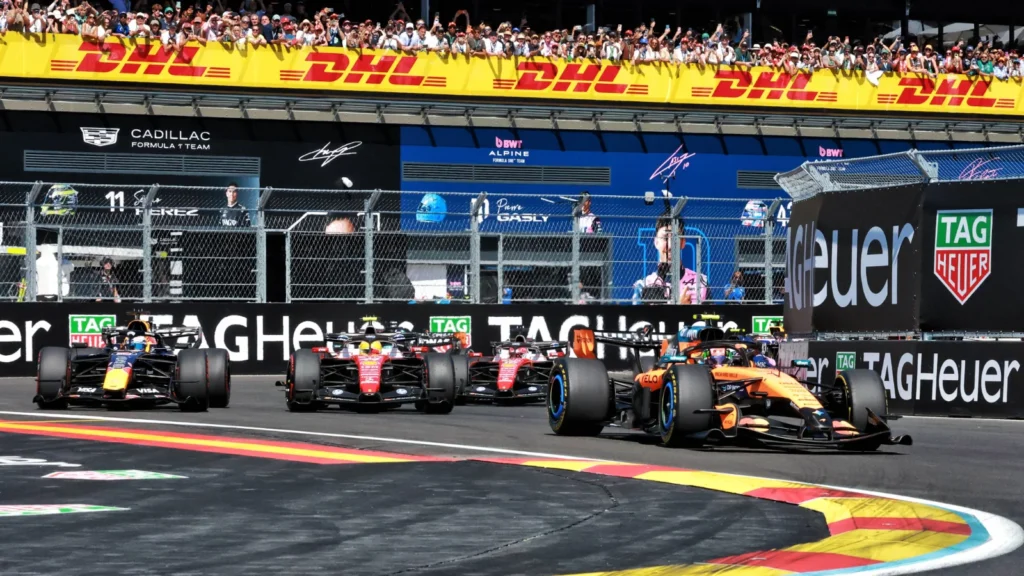
When rain arrives, everything changes
A dry race weekend can be absorbing. A wet one is something else entirely. Engineers spend the whole of Friday and Saturday modelling tyre compounds, fuel loads and degradation curves — then a weather system rolls in twenty minutes before the formation lap and makes most of that work irrelevant.
The genuine skill in wet-weather racing is not simply going fast on a damp track. It is knowing when to switch compound, which part of the circuit still has grip, and whether the driver ahead is about to run out of tyre in a way that creates an opportunity rather than a collision. Some drivers have a particular feel for intermediate conditions — a sensitivity to what the car is doing beneath them that cannot be fully explained by telemetry. Those are the drivers fans remember for a specific wet-weather drive long after the result fades.
Strategy: the decisions that decide championships
The undercut is one of the most satisfying concepts in motorsport once you understand it — the idea that pitting early for fresh rubber can generate enough lap-time advantage to emerge in front of a car you were trailing. When it works, it looks inevitable in hindsight. When it fails because traffic kills the out-lap or the new tyre takes too long to warm up, it looks reckless. The gap between those two outcomes is often a matter of seconds and judgement, not certainty.
Teams spend enormous resources modelling these scenarios before race day. Real-time data during the race then tells them whether conditions match the models. When they do not — because tyre degradation is higher than expected, or a safety car changes the timing window — the strategy call has to adapt. The best team calls are the ones that change the plan at the right moment rather than defending a model that no longer reflects reality.
What the cameras do not show
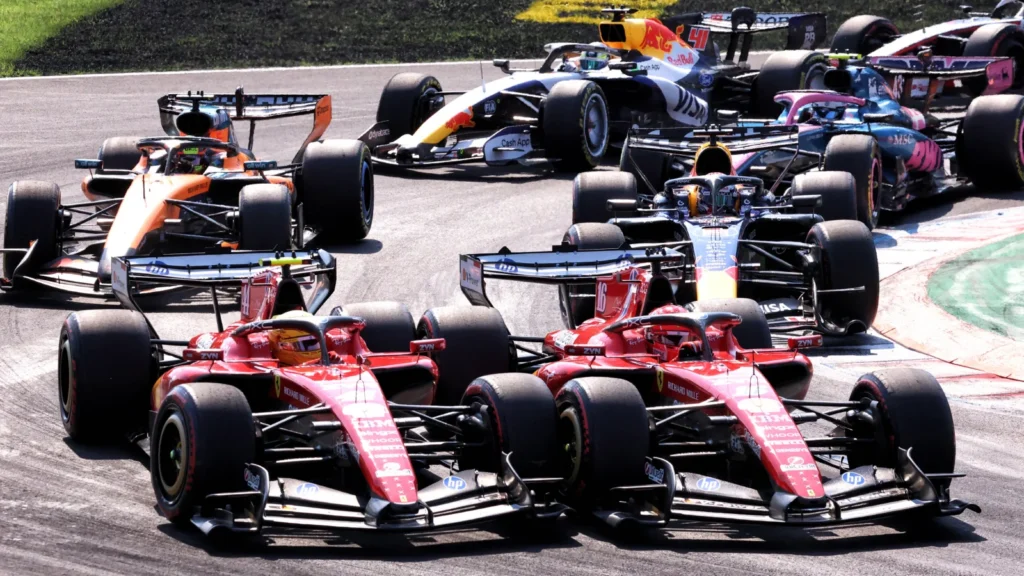
The race broadcast tends to follow the leaders. What it misses is the full width of what is happening across a 20-car grid. Midfield battles that last three or four laps, team-mate encounters that require careful management from the pit wall, and the quiet heroics of a driver extracting every point available from a car that has no business finishing where it does — these stories often emerge in the post-race data rather than the live coverage.
The human cost is also easy to underestimate. A modern F1 car subjects the driver to sustained physical stress for the duration of the race — neck loading under braking, G-force through fast corners, heat from the cockpit, and the constant mental demand of maintaining concentration while processing information from the engineer on the radio. The drivers who sustain performance deepest into the race are often the ones who manage that physical load most efficiently across the whole stint, not just the ones who are fastest in the opening laps.
The DNF and the podium
Every regular viewer knows the particular deflation of a retirement. A mechanical failure on the opening lap, after months of build-up and a week of preparation, produces a very specific kind of silence. There is nothing to analyse, no strategy call to debate, no alternative outcome to imagine. It simply ends.
The podium is the mirror of that feeling. Three drivers, exhausted and shaking slightly from two hours of sustained effort, standing on a rostrum while the crowd generates a noise that carries across the circuit. Championship mathematics can make one result feel like a defeat even for the winner, and another feel like redemption even for third place. Context is everything, and motorsport generates context across a season in a way few other sports can match.
That accumulation of moments — the qualifying drama, the strategic gambles, the wet-weather chaos, the heartbreak of a mechanical failure and the relief of a podium — is why the sport holds on to its audience so effectively. It is not just fast cars. It never has been.