Formula 1 and the NFL could hardly be more different as sporting competitions. An NFL team has 17 regular-season games to establish itself, while an F1 driver gets more than 22 race weekends, with performance heavily influenced by the car itself. Yet when betting enters the equation, the two sports share an important principle: the competitor most likely to win is not automatically the one offering the most value.
Recent research from Sports Illustrated provides a striking example. A study calculated what would have happened if $100 had been placed on every NFL team to win every regular-season game. The New England Patriots went 14-3; the Carolina Panthers went 8-9. Carolina made more money. The Panthers generated $1,208.24 in hypothetical profit and a 60.4% ROI, while New England returned $797.22 despite winning six more games.
As the Patriots continued winning, there was increasingly little reason for the market to underestimate them. Carolina’s victories, by contrast, came when expectations were still low enough to make them worthwhile. The distinction between success and price is important. Betting is not simply about predicting which competitor is most likely to win — that probability is already reflected, at least imperfectly, in the odds.
Dominance comes with a price in Formula 1
When one driver and car combination establishes a significant performance advantage, predicting the winner can become relatively straightforward. The problem is that everyone else can see the same thing. Sportsbooks shorten the driver’s odds accordingly, and correctly predicting another victory may produce a relatively small return compared with the amount being risked.


Imagine a driver whose true probability of winning a race is 70%. That is an enormous advantage in Formula 1. But whether backing that driver represents value depends on the probability implied by the available odds. If the market effectively prices the driver’s chances at 80%, the question becomes whether the price accurately reflects the risk — not whether the driver is the favourite. This is essentially the lesson behind Carolina’s position above New England in the Sports Illustrated research. The Panthers were not better than the Patriots. Their victories were simply more valuable under the odds available throughout the season.
F1 underdogs don’t have to win the race
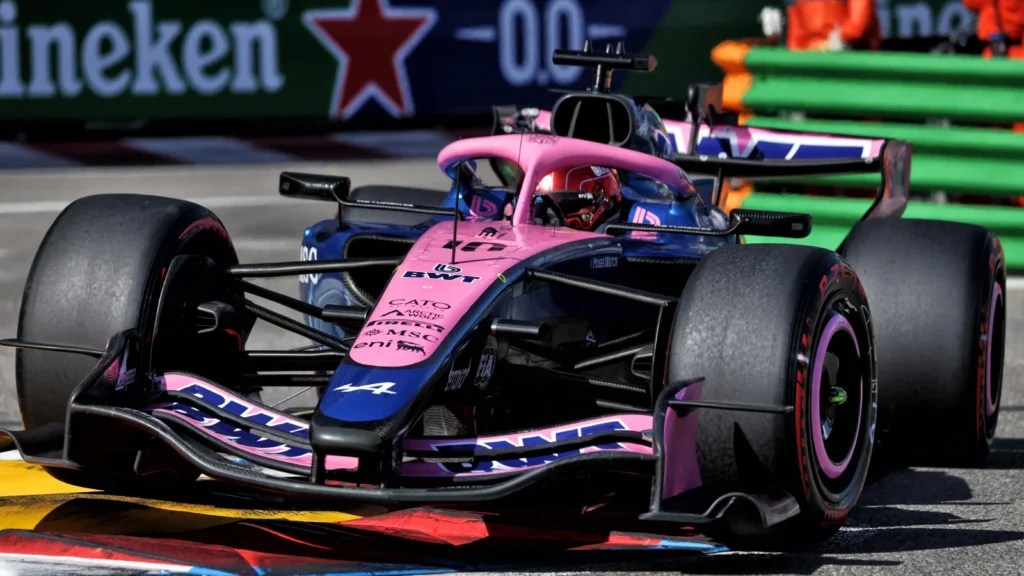
There is an obvious problem with transferring the NFL example directly to Formula 1. An NFL underdog still has one opponent to beat. An F1 outsider may have 19 other drivers between themselves and victory, several in significantly faster machinery. But modern F1 betting is not limited to predicting the race winner. Podium finishes, points finishes, qualifying results, fastest laps and driver head-to-heads create situations where a competitor can outperform expectations without standing on the top step.
A midfield driver does not necessarily need to beat the entire field. If the market underestimates their probability of reaching the points, beating a team-mate, or qualifying above a particular rival, the same principle applies. The objective is not finding the least likely outcome. It is identifying where expectations may be wrong.
Track characteristics can create temporary underdogs
Unlike most major team sports, Formula 1 changes venue almost every time it competes, and that matters enormously. A car that excels through high-speed corners may lose some of its advantage at a circuit dominated by slow technical sections. Tyre degradation, track temperature and safety car probability can change the competitive picture further.
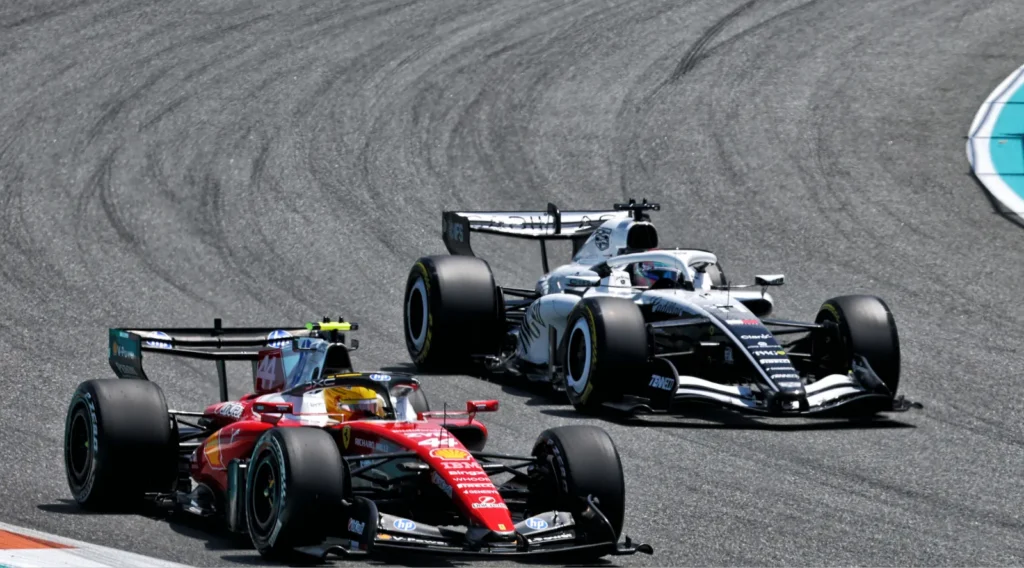
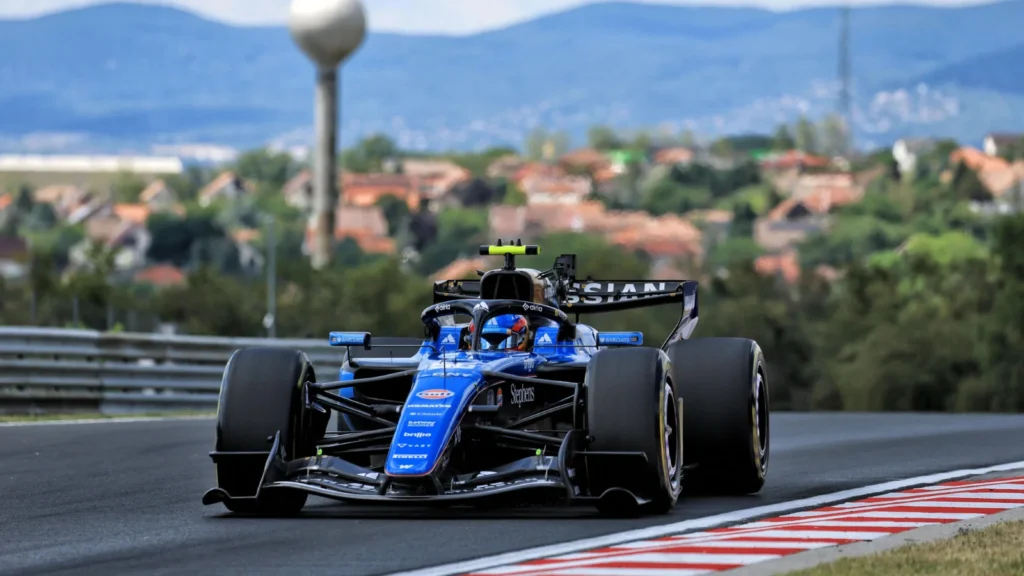
Ahead of the 2026 Hungarian Grand Prix, Motorsport Week’s analysis focused not simply on identifying the favourite but on where the relationship between pole probability, historical performance and race-winning expectations might create value. A driver priced according to what happened over the previous five weekends may encounter a circuit significantly better suited to their car’s strengths. By the time everyone recognises that improvement, the price may already have changed.
Information changes the price
F1 odds can shift considerably between the start of a race week and Sunday’s grand prix. Practice sessions offer the first indication of relative pace, qualifying provides a clearer picture, and weather forecasts, grid penalties, mechanical problems and newly introduced upgrades can shift expectations further. A driver who appeared undervalued earlier in the week may no longer offer the same opportunity by race day.
Sports Illustrated covers this wider betting landscape alongside its sports data research, including individual operators and their current offers. Its Canadian guide to the Stake sign-up bonus examines the welcome offer, eligibility requirements and conditions attached to it. The sportsbook itself does not change whether an F1 driver is genuinely undervalued — but the underlying principle remains important: the terms and price attached to a selection matter just as much as the name being selected.
Sometimes the favourite is still the value
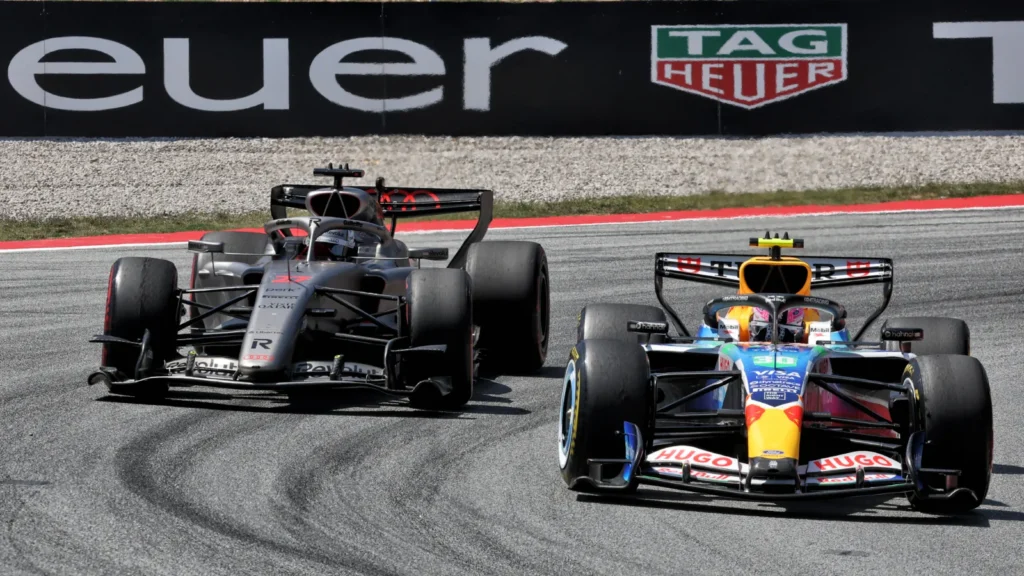
There is an important danger in taking the underdog argument too far. Longer odds do not automatically mean better value. A driver priced at 20/1 is not attractive simply because another is at 2/1 — if their realistic probability of winning is closer to 2%, the longer price may still be poor.
There will be races where an F1 favourite deserves to be heavily backed. A dominant car, suitable circuit, strong qualifying position and favourable conditions can combine to make one driver overwhelmingly likely to win. The challenge is deciding whether the available odds have gone even further than the evidence justifies.
Look for the gap between reputation and reality
Formula 1 operates differently from the NFL, and outsiders face structural disadvantages that do not exist to the same extent. A brilliant driver cannot simply overcome a car that is a second per lap slower. But the broader lesson survives the transition between sports.
The most likely winner is not automatically the best value. Sometimes the market knows exactly how dominant the favourite is and prices that dominance accordingly. The more interesting opportunity may be a driver further down the grid whose chances of a podium, points finish or head-to-head victory are slightly better than the market believes. In the NFL, that gap helped an 8-9 team outperform a 14-3 team for hypothetical bettors. In Formula 1, finding the equivalent does not mean predicting the next shock grand prix winner. It means finding the driver the market has underestimated.