
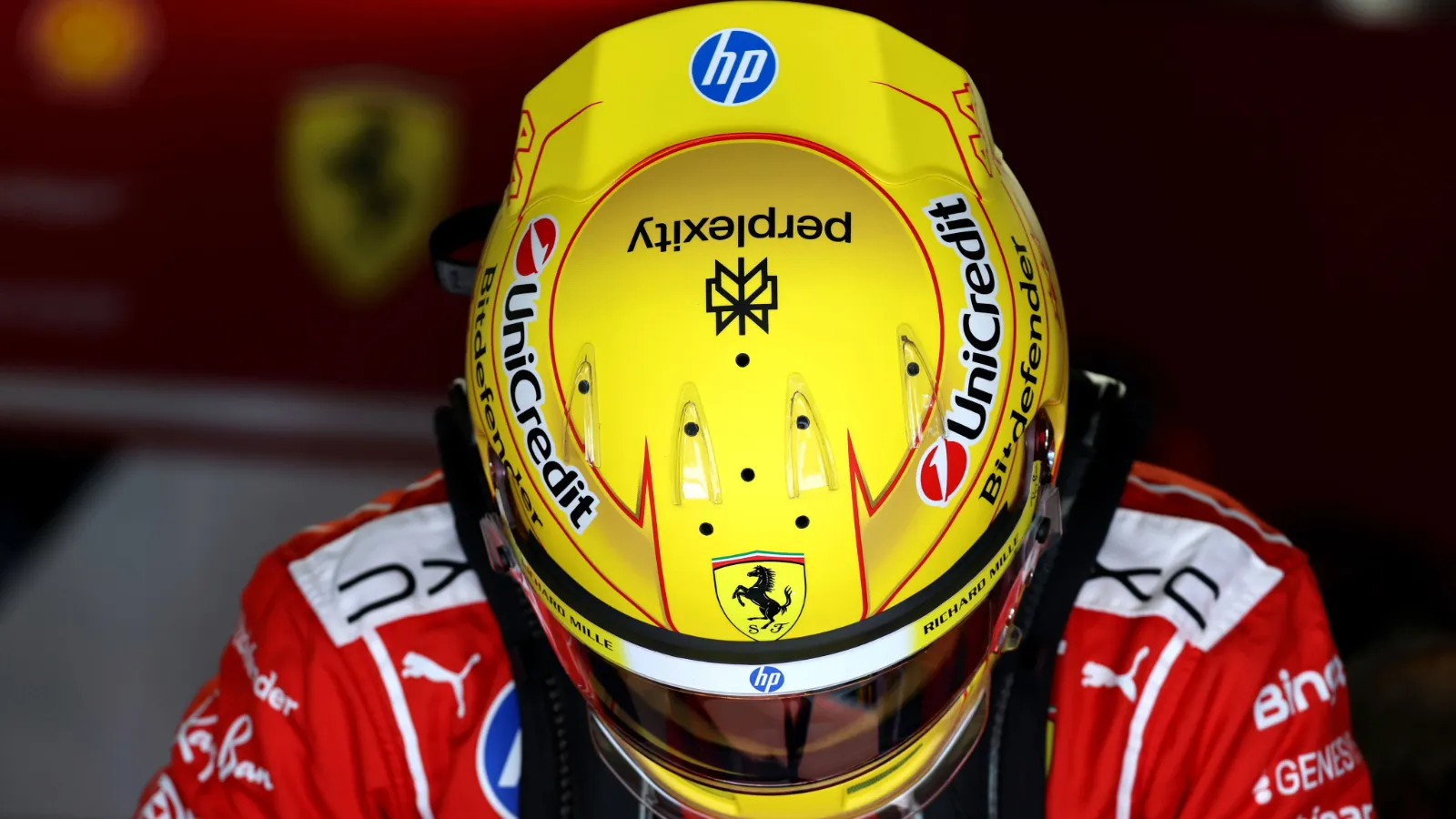
Lewis Hamilton has swatted away suggestions that he failed to adapt to the ground-effect regulations after a resurgent start to the 2026 Formula 1 season.
11 rounds into F1’s latest regulations cycle, Hamilton has found himself reinvigorated, strapped into the SF-26.
That said, only 12 months ago, the seven-time World Champion seemed to be on the verge of calling it quits on his F1 career.
After three squalid seasons with Mercedes between 2022 and 2024, Hamilton decided to shock the paddock with a sensational switch to Ferrari.

But his maiden season with the iconic Italian marque turned out to be his most challenging ever.
Not only did he finish the season without a single Grand Prix podium to his name, but he also saw all his miseries with the ground-effect Mercedes cars augmented in the SF-25.
This only fed into the theory that Hamilton had struggled to adapt to the inherent characteristics of the car, starving him of results that had garnered him his six drivers’ titles in the preceding turbo-hybrid era.
Hamilton, however, isn’t buying into it only because he has seen his fortunes change with 2026’s ‘Nimble Car’ concept.
“I can drive it a little bit more like the previous generation of cars,” he said.
“The races that I won in the previous generation of car, I drove exactly the same as I do today.
“So, there’s all this talk of how that generation of car didn’t suit me, [but I] still won more races than most, probably, in that period of time.”
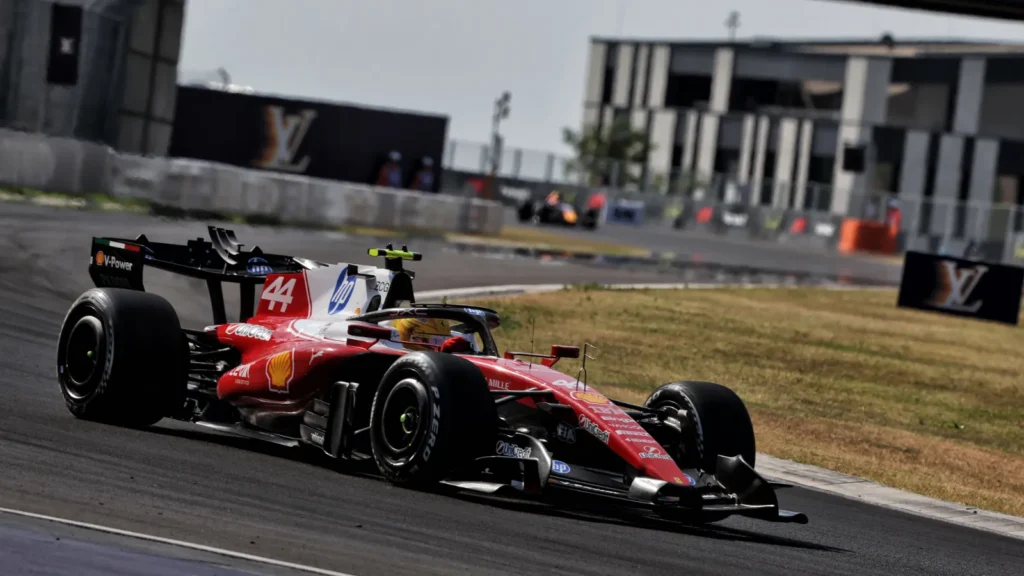
Lewis Hamilton details the “crucial” challenges of the 2026 F1 cars
Heading into the summer break, Hamilton has already racked up five podiums for Ferrari, including his maiden win for the Scuderia at Barcelona.
The second half of the season, starting at the Dutch GP next weekend, requires the Ferrari driver to claw back his 50-point deficit to championship leader Andrea Kimi Antonelli.
Hamilton explained that the current generation of F1 cars have their own unique challenges, overcoming which he has found to be “crucial” to his form this season.
“The cars today are just a little bit easier, more forgiving, and they’re lighter,” Hamilton added.
“They haven’t got bouncing. The throttle, the power application takes a lot of work, and tuning through that with, it’s just another element you have to do with the engineers.
“Before it was just about drivability, whereas today drivability is where they’re deploying, and you’re changing that all the time, and understanding that you can actually have an effect by going half-throttle, off-throttle, on-throttle, 10% off, that changes the deployment through the lap, so understanding that is even more crucial than it was before.”
Hamilton would hope his experience pays off against his 19-year-old title challenger, which if he succeeds would make Hamilton the most winningest F1 driver of all time with an unprecedented eight F1 titles.
READ MORE – Lewis Hamilton gives honest review of his 2026 F1 season








Discussion about this post