
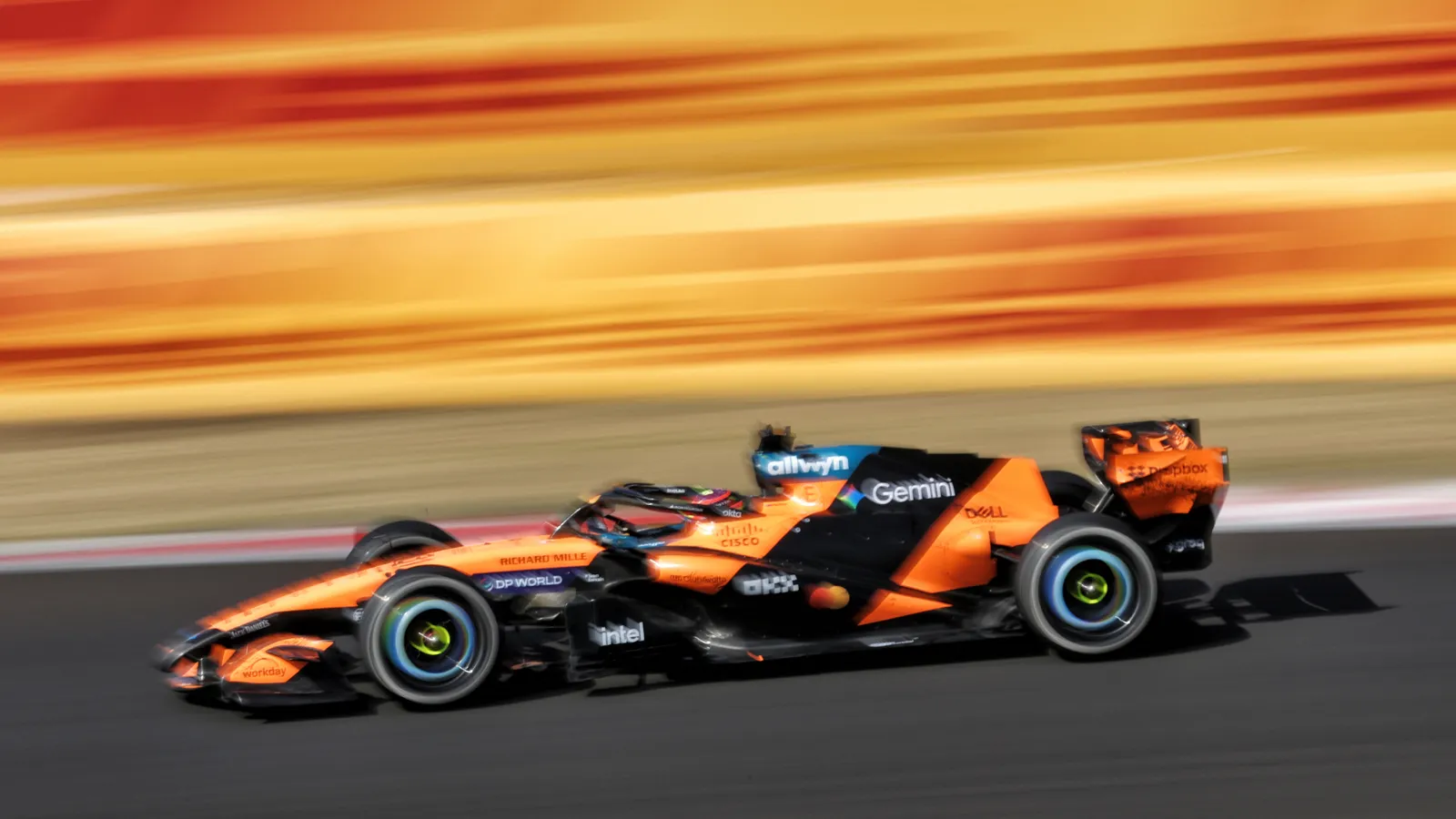
McLaren Team Principal Andrea Stella has conceded that the team has paid “a heavy price” in Formula 1 this season chasing the championship in 2025.
The Woking-based team rose from the midfield to win back-to-back championships under the ground effects era, between 2024 and 2025.
Last season, Max Verstappen’s post-summer break charge saw McLaren being pushed to the absolute limit, though it eventually stayed ahead, culminating in Norris’ maiden F1 title.
But in F1’s latest era, the British marque has been relegated behind the likes of Mercedes and Ferrari – who shared the accolades amongst themselves until Hungary.

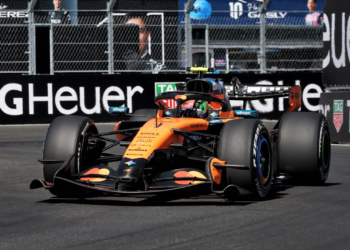
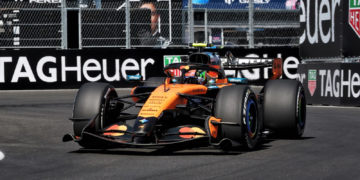
The MCL40 was wrought with reliability issues and a general lack of competitiveness compared to the front runners. Stella did concede that chasing success and focusing on the MCL39 did mean the team had to pay “a heavy price” in terms of its performance, this season.
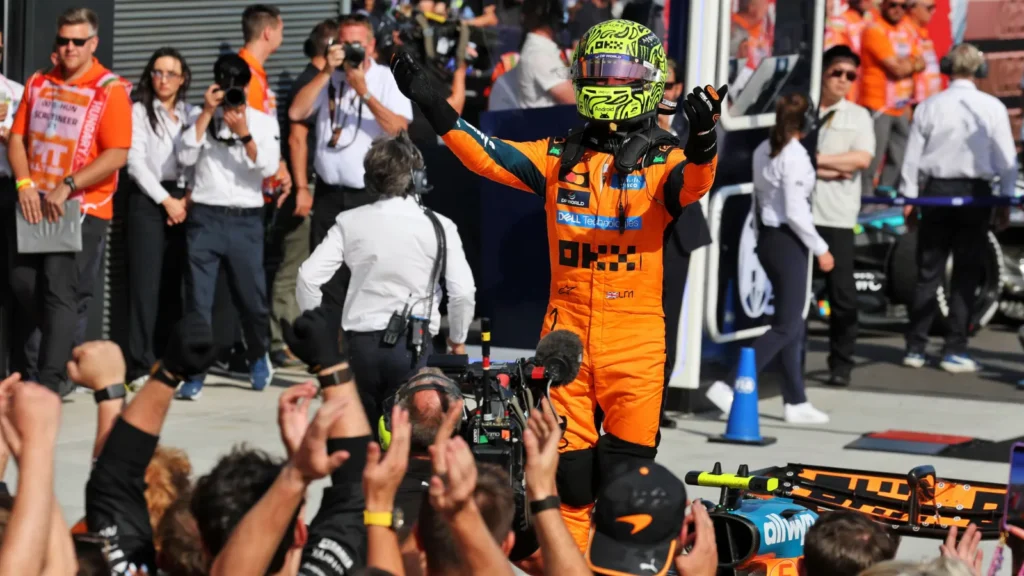
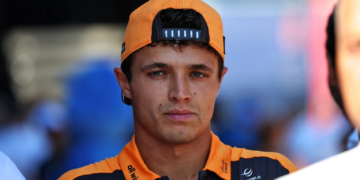
At the Hungaroring, however, McLaren’s upgrade package finally clicked – handing Norris his maiden win of the season after a stellar qualifying saw him deny Mercedes and Ferrari pole position, too.
“I believe the most important lesson we’ve taken away from these seven months of hard work is that, in times of great difficulty, unity is strength,” Stella reflected in a McLaren Q&A.
“We’ve demonstrated, first and foremost to ourselves, just how crucial team cohesion is to bouncing back and getting back on track towards the top.
“After three years of steady progress that saw us win three out of four world titles between 2024 and 2025, the start of this season has been a real reset.
“Not only because the rule changes were probably the most significant ever in the history of this sport, but above all because we realised just how heavy a price we had paid for the effort we put in during 2025 to secure the world double.”
The one “complex issue” McLaren still faces despite 2026 F1 resurgence
Heading into the summer break, McLaren has well and truly put the wheels of its resurgence in motion.
Looking back at the 11 rounds run so far, Stella insisted that its turnaround was not owing to a silver bullet it had found for its car concept but a gradual process of identifying and attacking the MCL40’s weaknesses.
That said, he did credit the month long summer break – enforced owing to the cancellations of the Saudi Arabian and Bahrain rounds due to the Middle East conflict – to be a handy advantage.
“There wasn’t a single event that changed course; rather, it was a growing awareness of the scale of the challenge we’re facing and the adjustments we needed to make,” Stella added.
“Paradoxically, the enforced break in April probably allowed us to focus entirely on analysing the MCL40’s performance and to fully understand that we needed to redirect or strengthen its development in certain areas of the car.”
Both, Norris and Oscar Piastri have also struggled with the latest generation of Mercedes power units. Whilst deep operational information about the PU had been sparse, the inherent quirks of the new engines had also bogged the duo down.
Stella revealed that McLaren had started understanding the power unit better but admitted that optimising it will be a “complex issue” the team will face throughout the remainder of the 2026 season.
“Furthermore, over the past few months we’ve had the opportunity to deepen our understanding of the new power unit supplied by Mercedes HPP and to work with our technical partners to work out how best to utilise it,” he added.
“It’s been a long process, with its ups and downs, but one that’s starting to bear fruit.
“That said, I expect that optimising the power unit will remain a complex issue throughout the 2026 season.”
Next up for McLaren is the Dutch GP at Zandvoort; a circuit that saw Piastri take the race win away from home-hero Verstappen last time out.
READ MORE – Oscar Piastri ‘under no illusions’ over McLaren 2026 challenges





Discussion about this post