
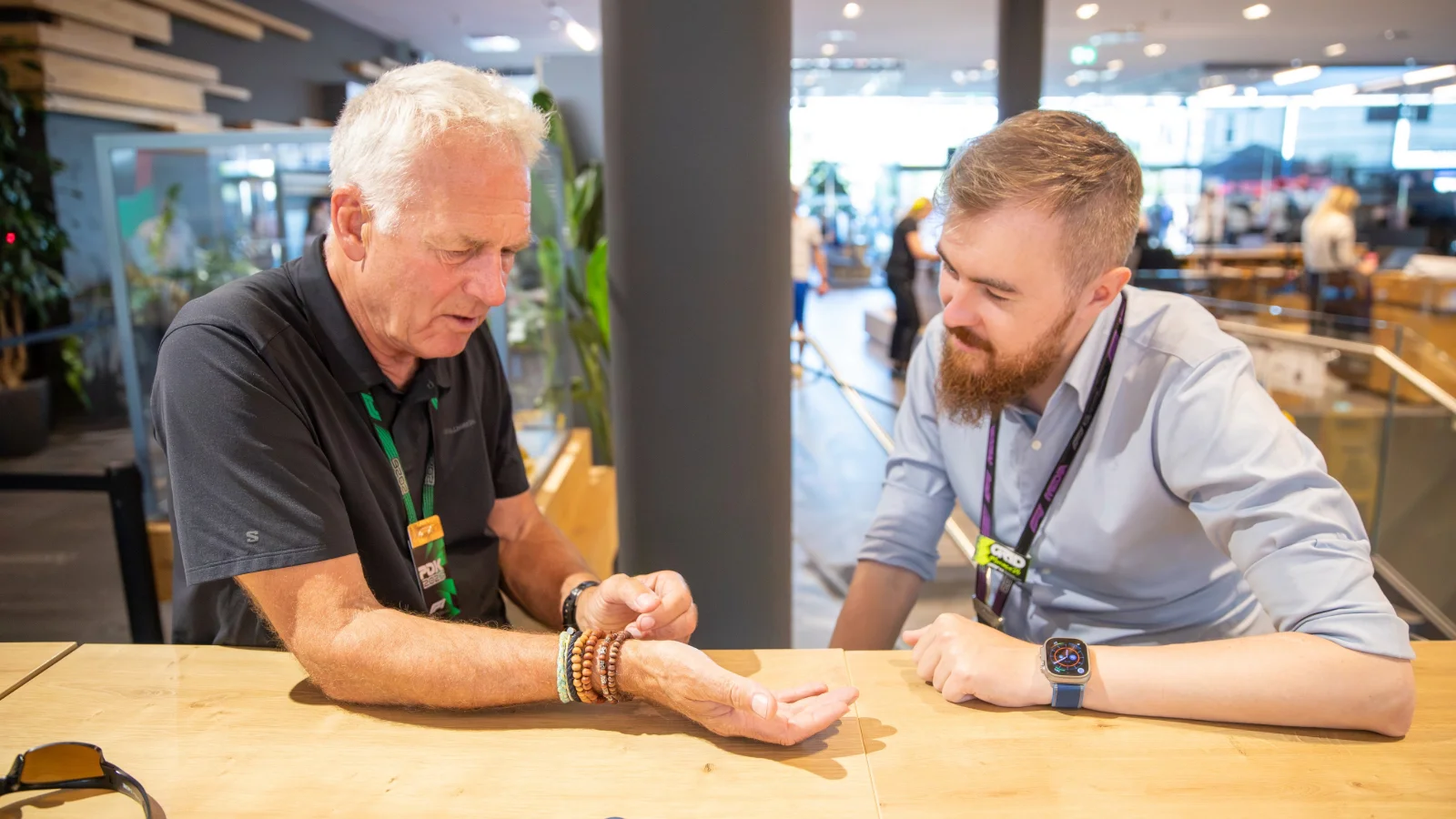
In a special feature for Motorsport Week, our friend and fellow paddock journalist, Leonid Kliuev, met with former Formula 1 driver Christian Danner to talk about the items on his wrist and what they mean to him.
Anyone who wears a stack of bracelets on their wrist [and there are plenty of such passionate people in the paddock] has countless stories behind them and reasons why they matter. That’s a side of F1 we rarely get to see — I’d like to offer you yet another way to go behind the scenes of the sport. In future editions, my guests will also share their experience with fitness bands, Oura Ring, watches and other accessories. But first, please welcome Christian Danner and his collection.
Christian’s bracelets are color-coded to his moods, oftentimes carrying a wish or a story about his loved ones. The German F1 driver in the 1980s turned commentator showed me his collection and earring of similar design as the pair he says made him the first driver to wear the accessory on the grid in the 1980s.
They are his own form of storytelling: From wooden keepsakes handmade by his 16-year-old daughter to stone-beaded pieces bought around the world, every piece reminds him of a special memory. Having competed in Formula 3000, IndyCar, Sports Cars and Touring Cars, the German driver raced for F1 during the mid-to-late 1980s, lining up against Ayrton Senna.


The driver turned expert and commentator was eager to open up his bracelet collection to me in the Austrian Gran Prix, having agreed to an interview almost immediately. He also shared the story behind his favorite Omega watch and the earrings he’s been wearing for over four decades, in the same model as the pair he says made him the first driver to ever wear the accessory on the F1 grid in the 1980s.
Christian’s daily bracelet pick usually reflects his mood. “It’s a fluid thing,” he says. He prefers understated, earthy browns and greens when he’s feeling more relaxed, like during the Spielberg weekend. In peak summertime, he goes for daring, warmer colors that match his active, “call it wilder” moods. “And sometimes my daughter says, ‘I want you to wear this,’ so of course I put it on,” he says.
Danner believes most bracelets carry a wish. When one “decides to go away,” he takes it as a sign that the wish will be soon fulfilled. Either way, the empty space on his wrist makes room for a new addition. “I just walk around the city and then suddenly a bracelet says: ‘Hello, come on, take me’,” he says and laughs. “They find me, I don’t find them.”
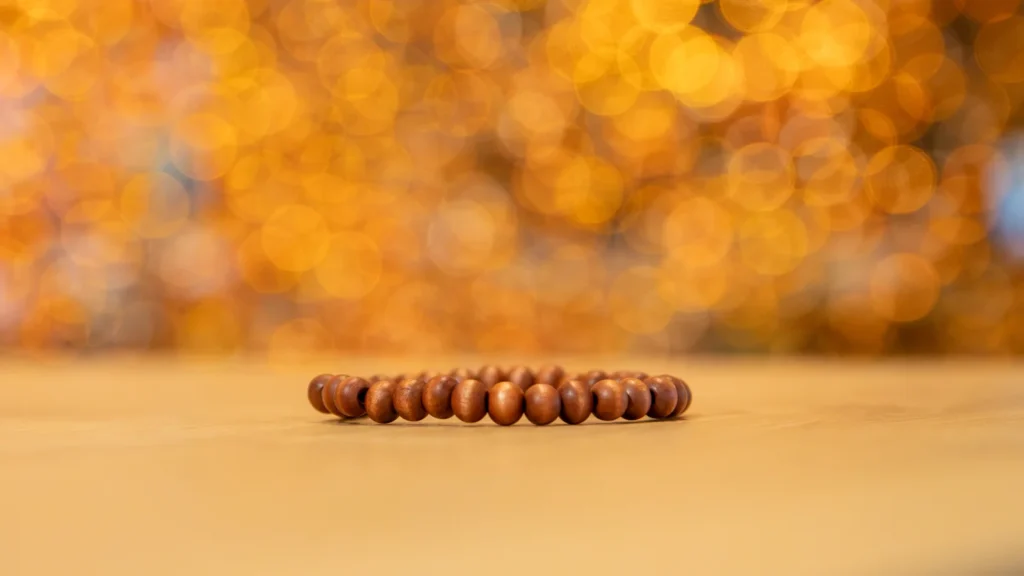
His daughter’s wooden keepsakes
Instead of flashy pieces or valuable gems, Christian’s daughter likes to gift him wooden bracelets made by hand as a wish for good health. Although one of them bears a cross, it doesn’t carry any religious meaning for the family. The symbolism lies instead in the material of choice. “My daughter said: ‘Wood is good because it simplifies you, and if you have a simple power, it’s the best one — it comes from your heart.”
The pieces don’t last very long, but that’s part of the tradition. Christian makes a wish whenever he puts a wooden bracelet on and believes it will come true once it snaps. Every broken one is an opportunity for his daughter to craft a new piece, as she enjoys experimenting with different beads. “She knows dad likes to wear these things,” he says warmly.
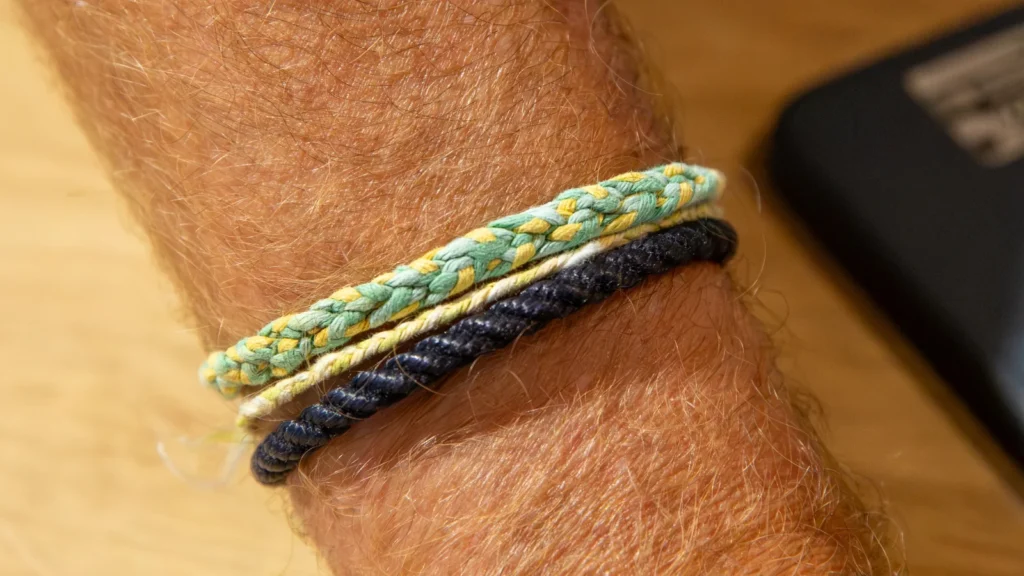
A rope bracelet gifted by his girlfriend
One of the sturdiest pieces decorating his wrist, the bracelet in black woven rope was a gift by Christian’s girlfriend. The piece doesn’t carry a wish, as it hardly ever needs replacing. “It’s just a strong bond between her and I, which I think is fabulous,” he says.
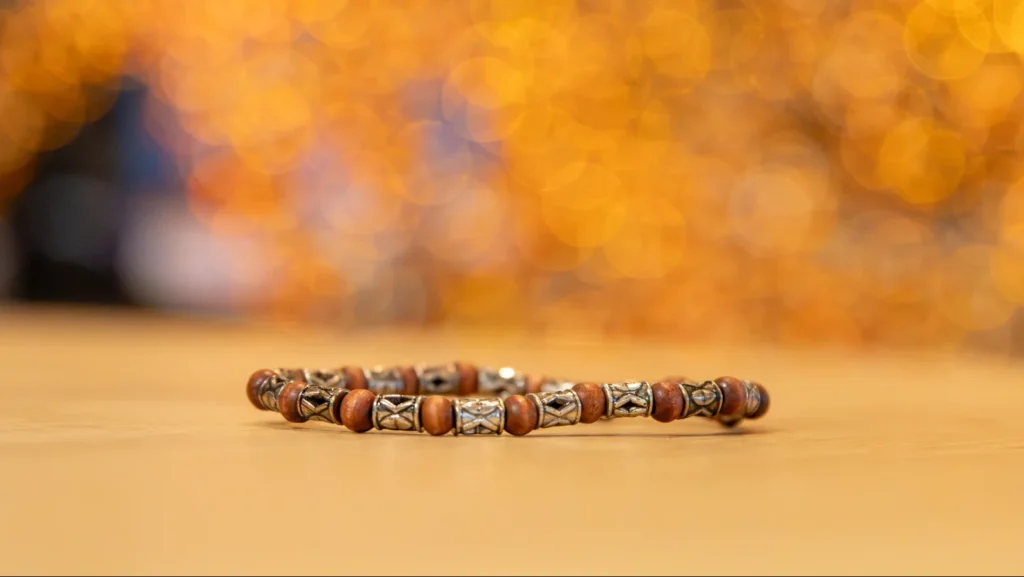
Found around the world
Beyond heartfelt gifts, Christian’s collection sometimes grows as he wanders around different cities. “I walk by a shop, have a look, and if there is one I like, I just take it. And I buy it, of course,” he jokes.
On his wrist, Christian highlights store-bought bracelets that caught his attention: Two green pieces for their interesting shape and one for combining silver and wood. From his collection at home, he treasures two pieces bought in Los Angeles adorned with stones in his favorite colors, like red, yellow and turquoise.
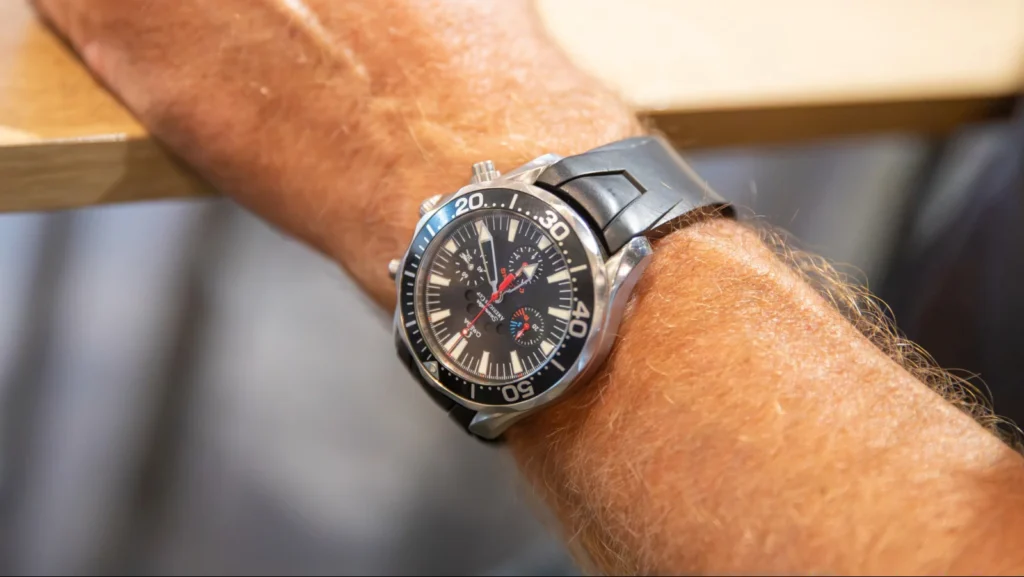
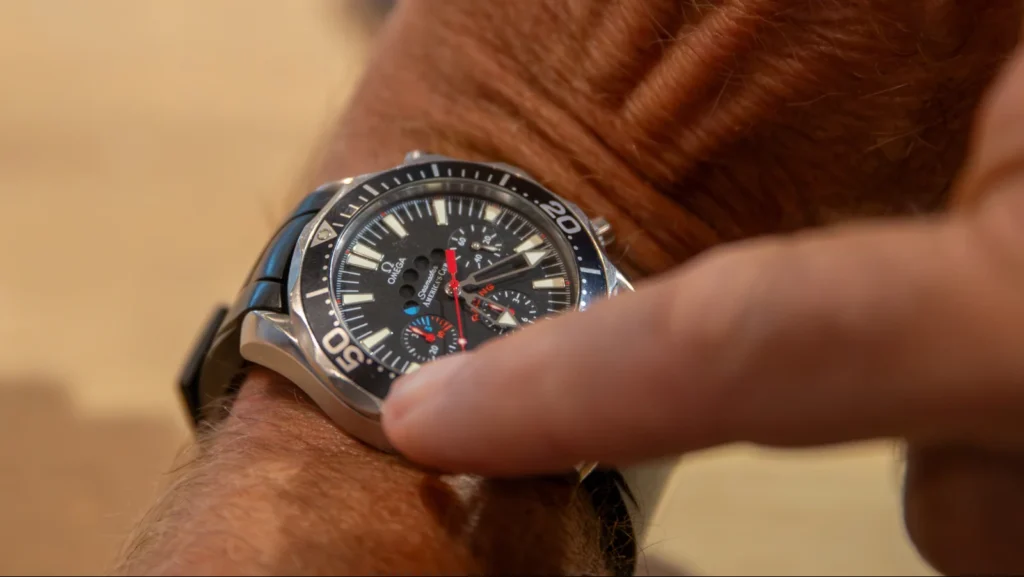
Christian’s Omega watch
Instead of flashing a fancy Rolex or a GMT, Christian takes pride in his America’s Cup edition Omega bought in the 1990s. In celebration of the traditional sailing competition, the watch’s dial design includes blue dots that fill up and serve as visual cues for captains to prepare for the race’s countdown.
“You must be prepared to go ideally a second before they shoot. Once they shoot, you cross the line half a second later — that’s the trick,” Christian says. “I couldn’t tell where the wind’s coming from, but I like it.”
The Omega watch speaks to Christian’s passion for racing. He is fascinated by every form of racing humans have created, whether it’s athletics, horse racing, sailing, or the full spectrum of motorsport. “For thousands of years, the spirit in racing is to be faster than somebody else, it’s only the technology that has changed. That’s what I love, because my heart and my life is racing,” he says.
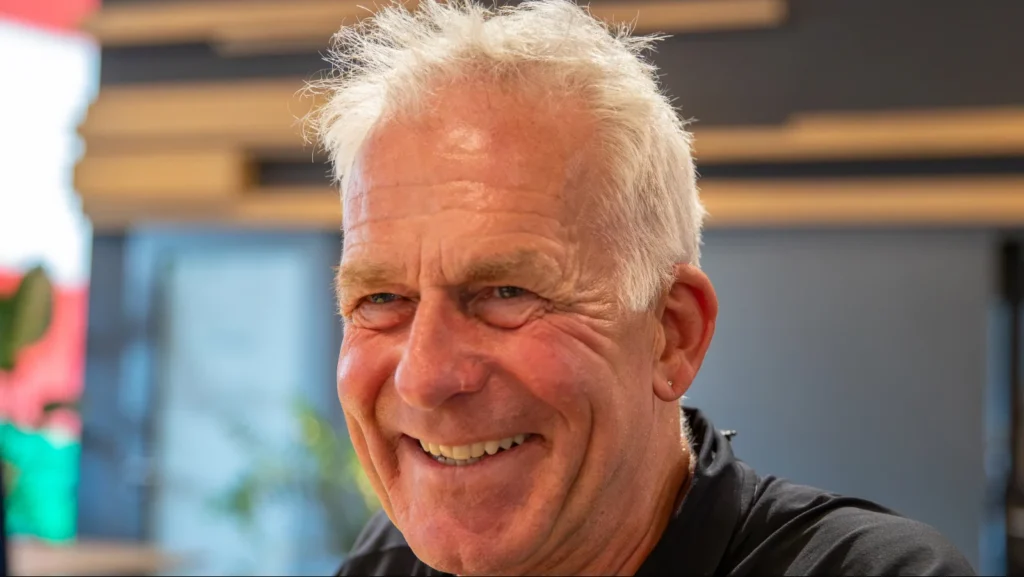
The first F1 driver to wear an earring on the grid
Although Lewis Hamilton found himself at the center of an F1 jewelry debate in 2022, Christian Danner told me he was the first driver to ever wear earrings on the grid. He has worn the accessory since he was 14, as the tradition goes among male farmers and mountaineers in the southern Germany’s region of the Alps, where he grew up.
The habit only became an issue when Christian was invited to compete for BMW in Formula 2 in the early 1980s. “The racing director said: ‘Mr. Danner, we would like to give you a contract, but you must take out the earring,” Christian recalls.
Even as a young driver fresh out of the Renault 5 Cup, his negative response was defiant. He still remembers his words: “Do you want me as a driver, or do you want something else?” Christian described the then director as a bloke and suspected his chairman would strongly oppose his appointment. “It was very conservative in his days. They weren’t prepared for men wearing earrings, especially in this top-class management,” Christian adds. The objection eventually faded, and Danner paved the way for Austrian driver Christian Klien to race with the accessory more than two decades later.
Danner showed me the earring he’s been wearing for over 40 years since 1980, the second pair he’s owned. “This was probably $10,” he says. “It’s the same one — it doesn’t break.”
Thank you to Leonid Kliuev, Jamile Racanicci and Christian Danner





Discussion about this post