
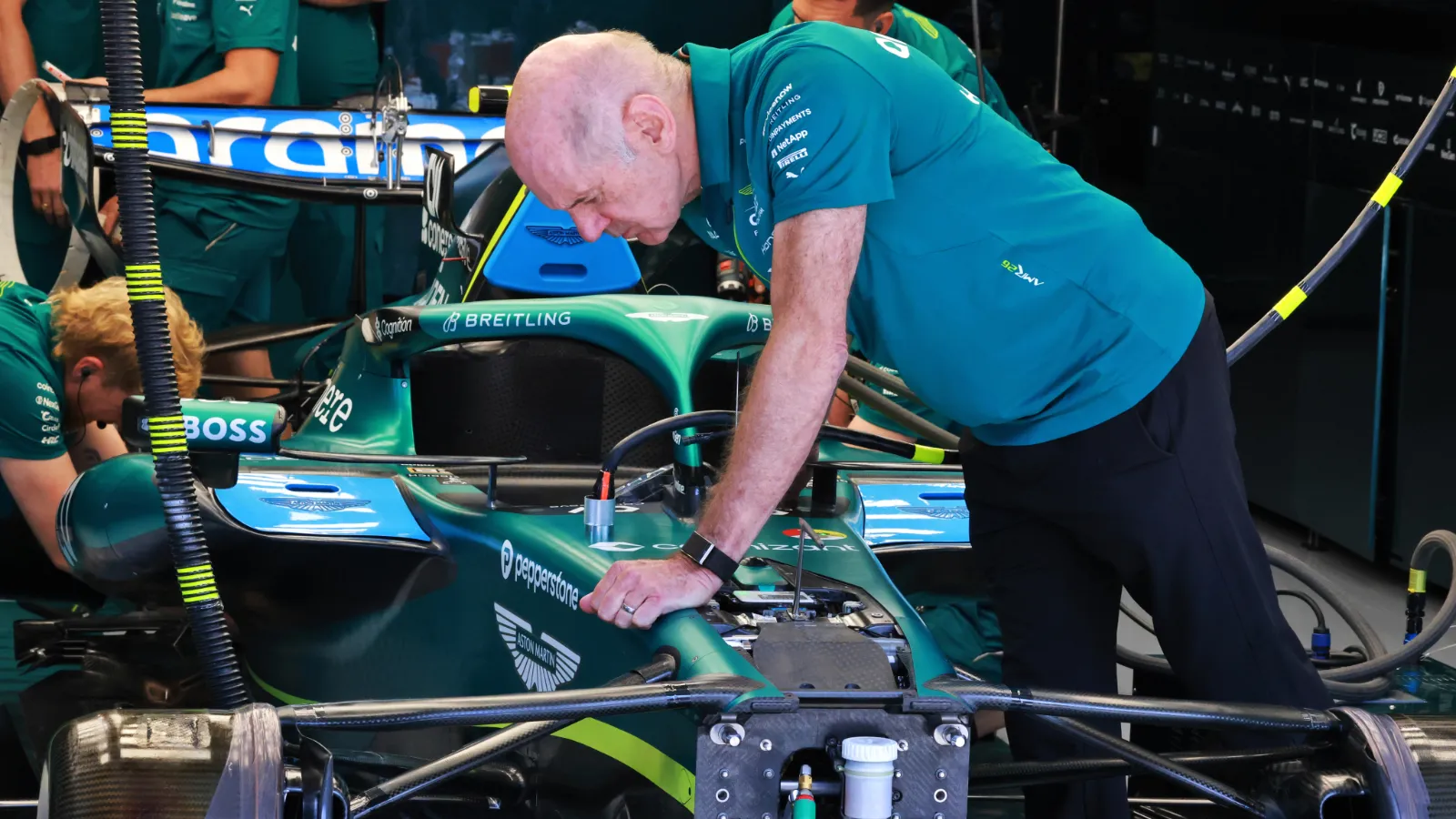
Here’s a look at the 16-upgrades-worth of rework on the Aston Martin AMR26, plus all the other updates teams have brought for the Formula 1 Hungarian Grand Prix.
Adrian Newey’s arrival at the Silverstone-based team, ahead of the 2026 season, was seen as a sign of the tides turning for Aston Martin – much like the fates of the teams Newey has worked at before.
That said, F1’s latest era has come as a rude awakening for the team, 10 rounds in, with it struggling with almost every aspect of its package, this season.
Newey, however, has taken this setback in his stride, and has come armed with as many as 16 upgrades, transforming the AMR26 into a radical b-spec package for the race weekend at the Hungaroring.


Rather than following suit with its rivals and bringing incremental upgrades, Aston Martin has decided to fundamentally revise its car concept with targeted overhauls across the AMR26.
Towards the front of the car, the team is set to sport a completely reworked front-wing, including a “longer, thinner” nose profile.
Aston Martin has also brought a brand-new front-brake duct design, with redesigned external elements to complement the revised aerodynamic profile propagated by the front-wing to manage air-flow around the front wheels.
Newey has also designed a revamped floor for the b-spec AMR26. The design team back at the Silverstone-based squad has left no stone unturned to fix its 2026 concept and unlock performance with the team claiming revisions have been made to “all of the permitted surfaces of the floor.”
The floor upgrade is the focal target of the Hungarian GP upgrade package with other updates designed around accommodating that philosophy.
This is complemented by a reworked diffuser, too, incorporating changes made to not only the main diffuser design but also the fences and winglets with a view to “increase the load on the floor and therefore improve the car performance.”
Moreover, the AMR26, this weekend, will also feature a re-designed engine cover and sidepod inlets – in line with the design philosophy adopted with the changes to the floor geometry.
Additionally, and in furtherance to the changes made to the floor and the front-brake design, Aston Martin’s car will also feature a similarly revised rear-brake duct outlay along with subtle adjustments to the rear-suspension set up with small changes to the leg positions and external fairings.
Lastly, Newey has also decided to slap a brand-new rear wing onto the AMR26, with targeted revisions to the winglets, endplates and beam wing, aimed at increasing load while in corner mode and reduce drag in straight mode.
As things stand, Aston Martin have been the slowest team on the grid, and by quite a substantial margin.
Naturally, the gains the team is able to make, this weekend, will determine whether heading into the summer break one should expect a renaissance for the Silverstone-based team or an abject stare into the abyss for the remainder of this regulations cycle.
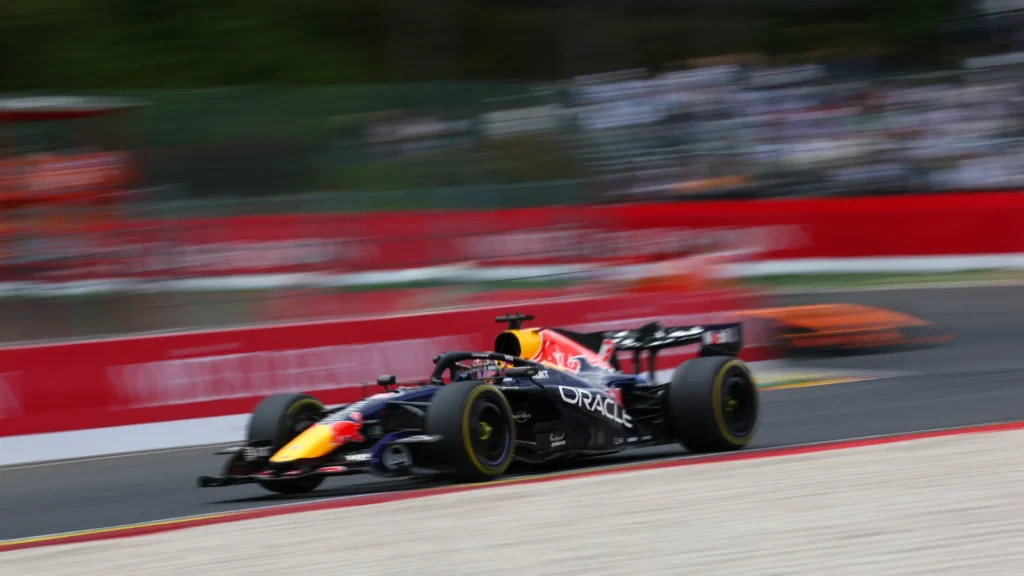
Red Bull brings back its ‘Macarena’ rear-wing and finds inspiration in “some competitor designs” at F1 Hungarian GP
After Max Verstappen’s back-to-back high-speed incidents at Austria and Silverstone, respectively, owing to an errant rear-wing, the Milton-Keynes-based team had decided to scrap its ‘Macarena’ concept for a more conventional rear-wing at Spa, last weekend.
But despite a positive weekend for both Verstappen and team-mate Isack Hadjar, it was quite apparent that the team were missing crucial tenths on the straights without its innovative rear-wing design.
For the race weekend at the Hungaroring, the team has revealed it will revert back to the ‘Macarena’. Additionally, though, the team has decided to implement geometry revisions to its flap elements.
The team has also tweaked the design as a whole, by reinforcing its pylon profiles with an increased camber to “extract a little more load and maintain, even enhance the flow stability,” – the latter surely coming as a welcome relief for Verstappen.
The Milton-Keynes-based team isn’t shy of giving its rivals credit where its due, too. The team is set to also debut a reworked diffuser on the RB22, this weekend, with a view to increase local rearwards load on the car.
“Having observed some competitor designs, the floor diffuser geometry has gained surface area adjacent to the rear impact structure offering a local gain in load,” read its disclosures to the FIA.
McLaren has brought a revised rear-wing endplate targeted at improving its flow conditioning and aerodynamic performance.
The Woking-based team has also made revisions to the rear corner furniture of the MCL40, seeking a targeted improvement in generation of local load.
Similarly changes have been implemented on the front corner as well, including fitting a larger brake cooling exit on the front-end of the car to accommodate the inherent characteristics of the Hungaroring.
In a bid to get themselves closer to the leading pack, McLaren will also experiment with a revised floor design, implementing a completely re-designed floor shape and furniture elements to make gains on flow conditioning and overall aerodynamic efficiency.
Elsewhere, the top two in the Constructors’ standings will be looking to head into the summer break drawing last blood.
Mercedes have clearly been the benchmark so far, with the Brackley-based squad bringing a revised rear-wing to specifically meet the downforce demands of the Hungaroring without having to sacrifice straight-line speed with disproportionate drag on the straights.
Additionally, the W17 will also sport revisions to its rear-end, just above the diffuser, with the team merging the tail winglet with the rear-wing brace to increase local load. In terms of reliability, the German marque will also fit wider rear bodywork exits to accommodate the cooling demands of the track.
Ferrari, on the other hand, has focused solely on its rear-wing to propagate increased local load “in a robust way”. These measures include a brand-new endplate design, additional trailing edge devices and pillars.
Further, the team has also brought an “optional” winglet cascade aimed at increasing rear downforce at the expense of overall aerodynamic efficiency.
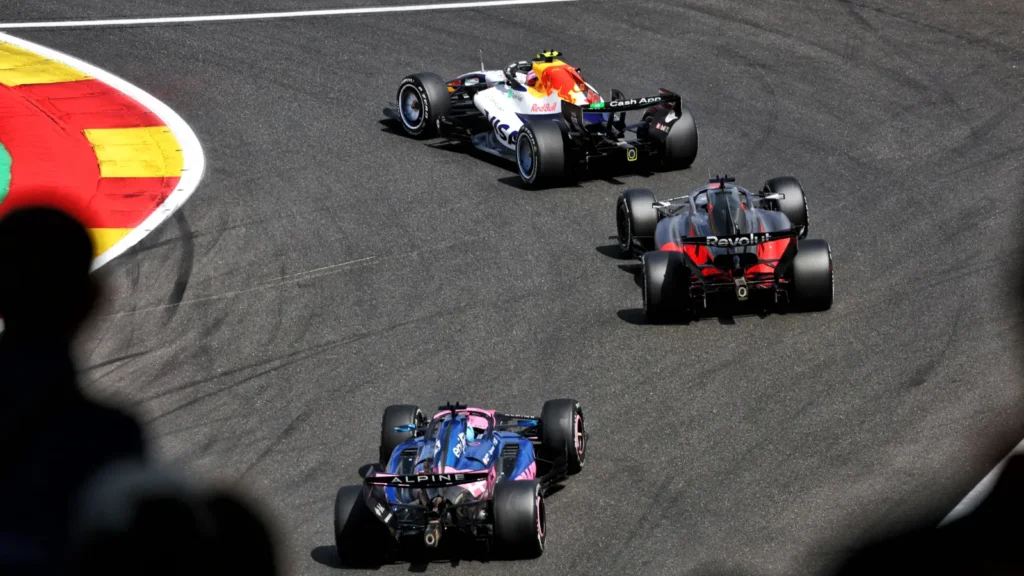
Alpine and Racing Bulls go toe-to-toe for P5 in Constructors’ at Hungary before F1 summer break
The competitive landscape in the midfield has changed drastically, 10 rounds into 2026.
Alpine enjoyed a strong start to F1’s latest era but has faltered mid-way through the season. After the race weekend at Spa, Racing Bulls has closed its gap to the Enstone-based team, now sitting tied at 61 points for fifth in the standings.
Heading into the race weekend at the Hungaroring, the Anglo-French marque has not brought any upgrades. On the contrary, Racing Bulls has a suite of upgrades ready for this weekend.
In addition to optional cooling louvres on its bodywork, the team will also sport changes to its rear wing elements including implementation of auxiliary components to increase local load to suit the characteristics of the Hungaroring.
Further, the team is also bringing a reworked roll hoop assembly with added winglets to improve flow conditioning towards the rear of the car.
Williams have brought only circuit specific upgrades for the Hungarian GP, this weekend. This includes revised rear-wing flap elements and a reworked outward floor body geometry to meet the demands of the track.
Audi, riding high on its recent points scoring streak has come prepared to the Hungaroring with a conservative rear-wing modification, sporting a revised endplate profile to increase its overall aerodynamic efficiency.
Further down the grid, Haas has opted for a high downforce-spec rear wing for Hungary with revised gurney flaps. Cadillac, who have brought a new brake duct with an increased surface to both the inlet and exit flow areas – for brake cooling – round off the upgrades sheet for this weekend, for the Hungarian GP.
READ MORE – F1 2026 Hungarian Grand Prix – FP1 Results







Discussion about this post