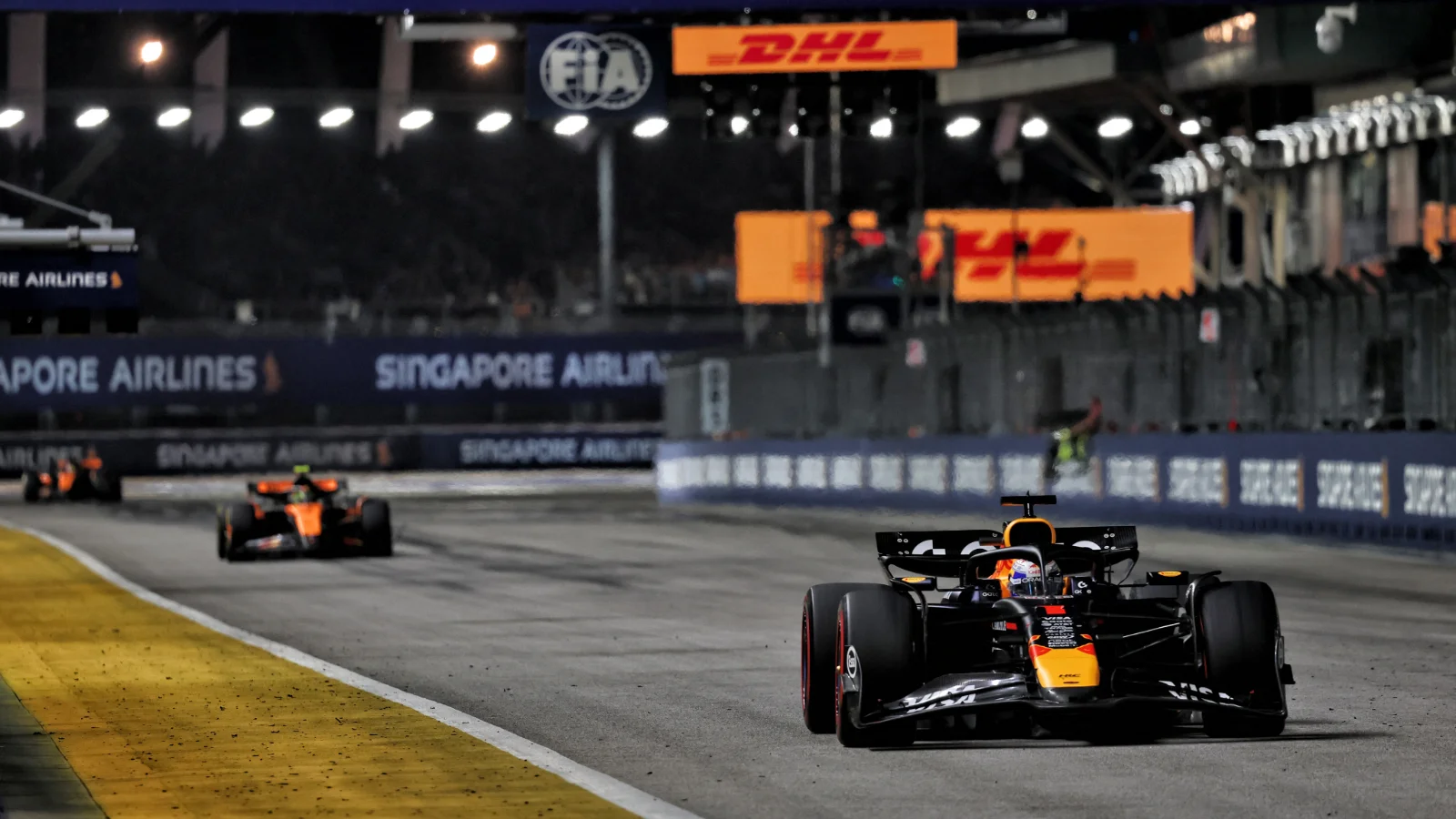
Formula 1 racing is one of the world’s most popular live sporting events, attracting millions of viewers every race weekend.
Many fans also follow live odds through services such as 1xbet Singapore while watching the race unfold. The technical data behind every Formula 1 event is best analysed methodically rather than relying on intuition or a driver’s past reputation.
For many followers, keeping an eye on prediction platforms alongside the broadcast adds another layer of engagement to the weekend. It is less about gambling in the traditional sense and more about treating each race as an interactive case study in engineering and strategy — a chess match between constructors played out at 300km/h.
Mid-race pit stop analysis: Speed and strategy windows
In modern Formula 1, everything is timed to the millisecond. A two-second delay in a tyre change can undo an entire weekend of preparation. Teams use acoustic telemetry and wear metrics to plan pit stop windows strategically, defending track position against the threat of an undercut from a rival.

Pit crew performance has become a genuine performance differentiator. Standstill times continue to fall as mechanics undergo dedicated physical training, and the fastest pit stops on record now sit well under two seconds. Live analysts can use these timing windows to predict whether a driver will emerge ahead of or behind midfield traffic, particularly during safety car periods when the field compresses rapidly.
Live motorsport betting: Tactical clues
Track conditions change continuously throughout a race weekend, and understanding those changes is central to any analytical approach. Asphalt temperature, for example, has a significant effect on tyre grip — a small drop in surface temperature can shift the performance characteristics of each compound meaningfully.
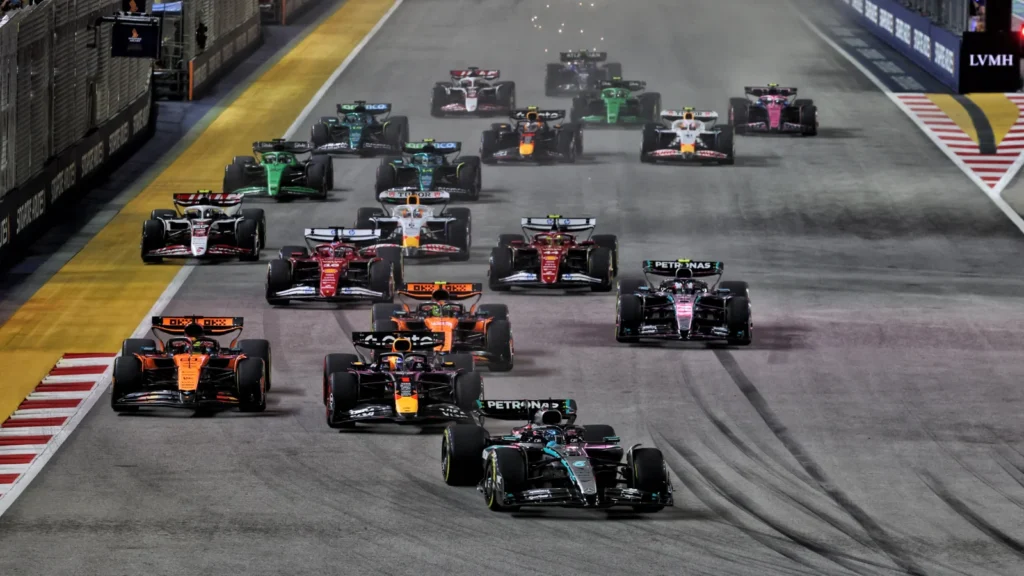
The key variables worth tracking in real time include:
Tyre wear patterns: Harder compounds offer less initial grip but hold their shape across a long stint. Softer compounds typically begin to degrade after five to seven laps of competitive running.
Undercut and overcut opportunities: On tight street circuits, the pace advantage of fresh rubber on an outlap can more than compensate for the track position lost during a pit stop.
Weather radar: A mistimed switch to intermediate tyres in changing conditions can cost a driver more than four seconds per lap — enough to destroy a race result from a strong grid position.
Safety car probability: Some street circuits historically carry an 80% or greater chance of a neutralisation period during the race. That probability is worth factoring into any pre-race analysis, since safety cars regularly reset gaps and create strategic opportunities for cars further down the field.
Tracking these variables allows fans to take an analytical view of race day rather than reacting purely to what is visible in the broadcast.
Motorsport betting: The fundamentals of strategy
High-speed sports markets reward emotional discipline and an understanding of probability across a full calendar. Unlike most team sports, Formula 1 race outcomes are shaped by mechanical reliability, qualifying setup, energy management, and sudden track neutralisations as much as by raw driver talent.
Comparing practice sector times head to head reveals which drivers are genuinely in contention for the fastest lap and which are managing their package toward race day. That information puts analysts in a position to identify value away from the obvious championship standings — and often away from the drivers with the most prominent media profiles heading into the weekend.