
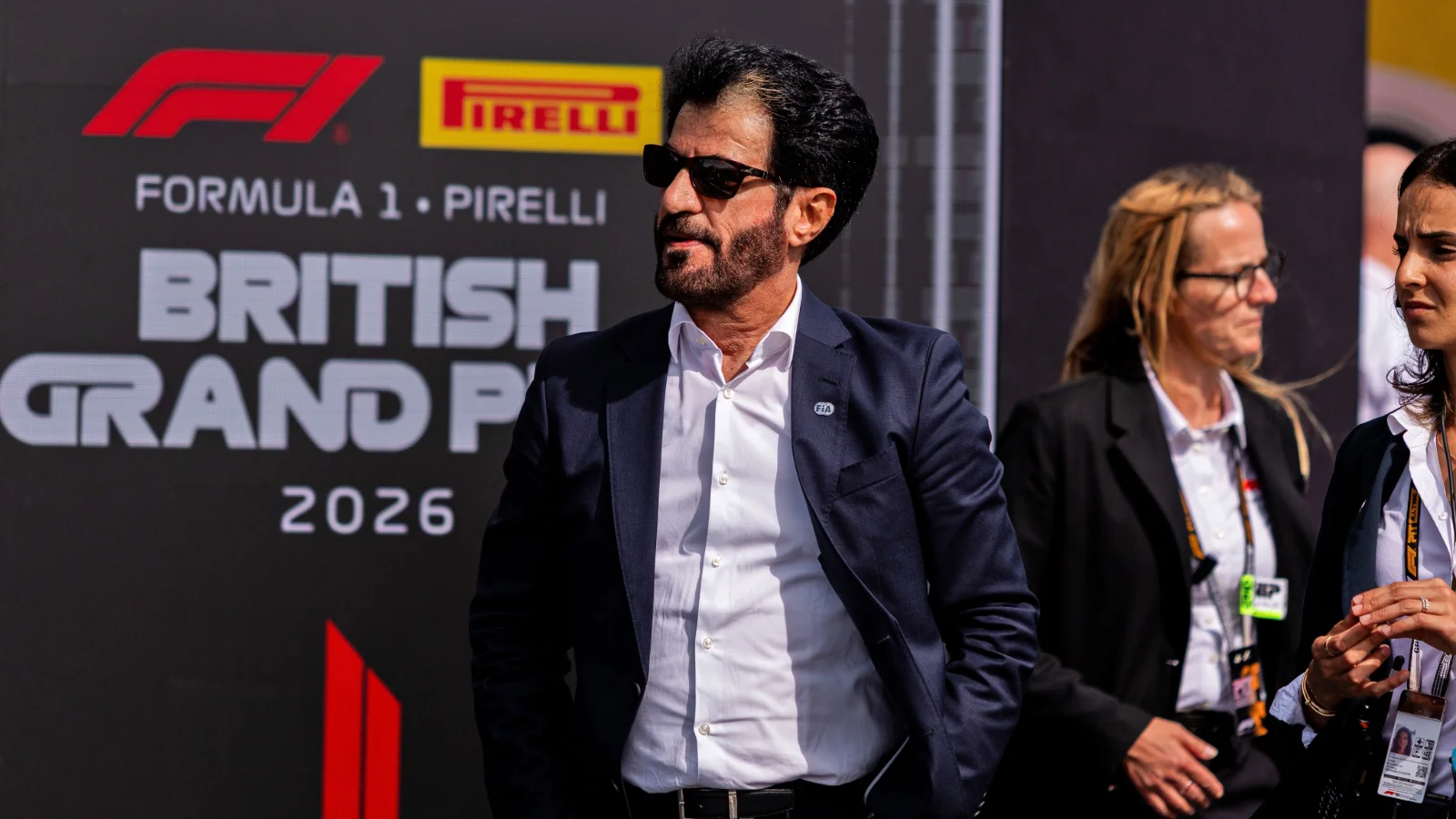
FIA president Mohammed Ben Sulayem has provided fresh insight into the governing body’s thinking on a possible return to V8 engines in Formula 1, stressing that any switch would need to satisfy a strict set of criteria before being given the green light.
The V8 debate has rumbled on since the early part of 2026, when Ben Sulayem first raised the prospect of F1 moving away from its turbo-hybrid V6 power units in favour of a naturally aspirated formula last seen on the grid in 2013.
Several teams have since indicated they would welcome the change, with the current regulations due to run until 2031 at the latest, giving the FIA a firm deadline by which a new engine formula would need to be locked in. Sources close to the discussions suggest the early 2030s remain the likeliest window for any switch to take effect.
The push for a rethink has been fuelled by mounting frustration with the 2026 power units, which have drawn criticism from drivers and teams over their reliance on electrical deployment and the energy management compromises this can force during a race.


Speaking to Viaplay, Ben Sulayem was candid about the FIA’s willingness to revisit decisions that haven’t worked as intended.
“We do make mistakes. We do have loopholes like the teams,” he said. “But one thing that we will always do is we raise our hand and we fix it.”
He pointed to the improvement in on-track competition since the season began as evidence the governing body’s oversight is having an effect, noting that any regulatory change ultimately has to clear a high bar. Manufacturers and power unit manufacturers require a “super majority” of four out of six to sign off on such matters, alongside input from the teams.
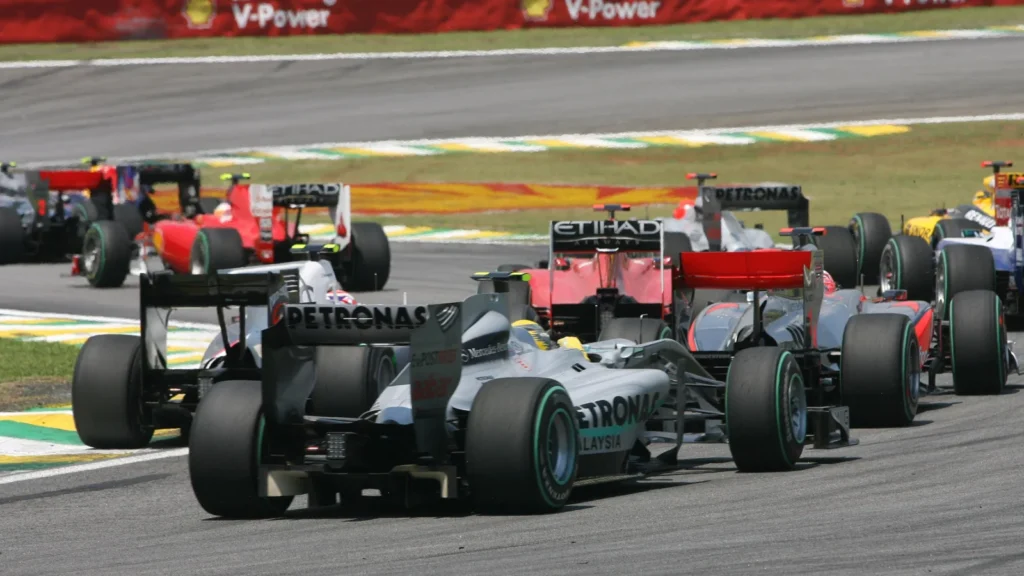
Drivers’ input on possible V8 comeback “important”
On the substance of a potential V8 formula, Ben Sulayem was careful not to get ahead of the process, framing the conversation as one still very much in progress. He suggested the FIA is working from a blank sheet rather than a fixed blueprint, describing the need for what he called a fresh “white paper” engine concept built around a specific set of priorities.
Sound quality for fans, mechanical simplicity and cost control were all cited as central pillars of that thinking, alongside a firm commitment to sustainability through the use of sustainable fuel. Ben Sulayem indicated that detailed cost modelling is currently being carried out in conjunction with the teams.
Crucially, he was keen to frame the process as a collaborative one rather than something being dictated from above, name-checking the full spread of stakeholders involved.
“We are consulting with the teams, with the PUMs, and also with the drivers,” he said. “It’s important. It’s not me, it’s not the teams. It’s the drivers who are driving these cars.”
With no formal proposal yet on the table, F1’s engine future remains an open question — but Ben Sulayem’s comments confirm that a genuine consultation process is underway, with 2031 standing as the outer limit for any decision to be finalised.
READ MORE – Max Verstappen admits ‘impossible’ Red Bull performance judgement for Hungarian GP





Discussion about this post