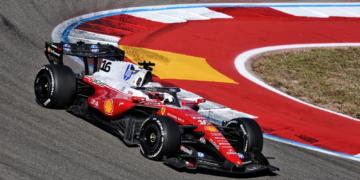
Formula 1 has changed dramatically over the past two decades.
New aerodynamic regulations, hybrid power units, budget caps, advanced simulations, and evolving tyre strategies have transformed how teams prepare for every race weekend. Yet despite these changes, one element continues to have an enormous influence on race results: qualifying.
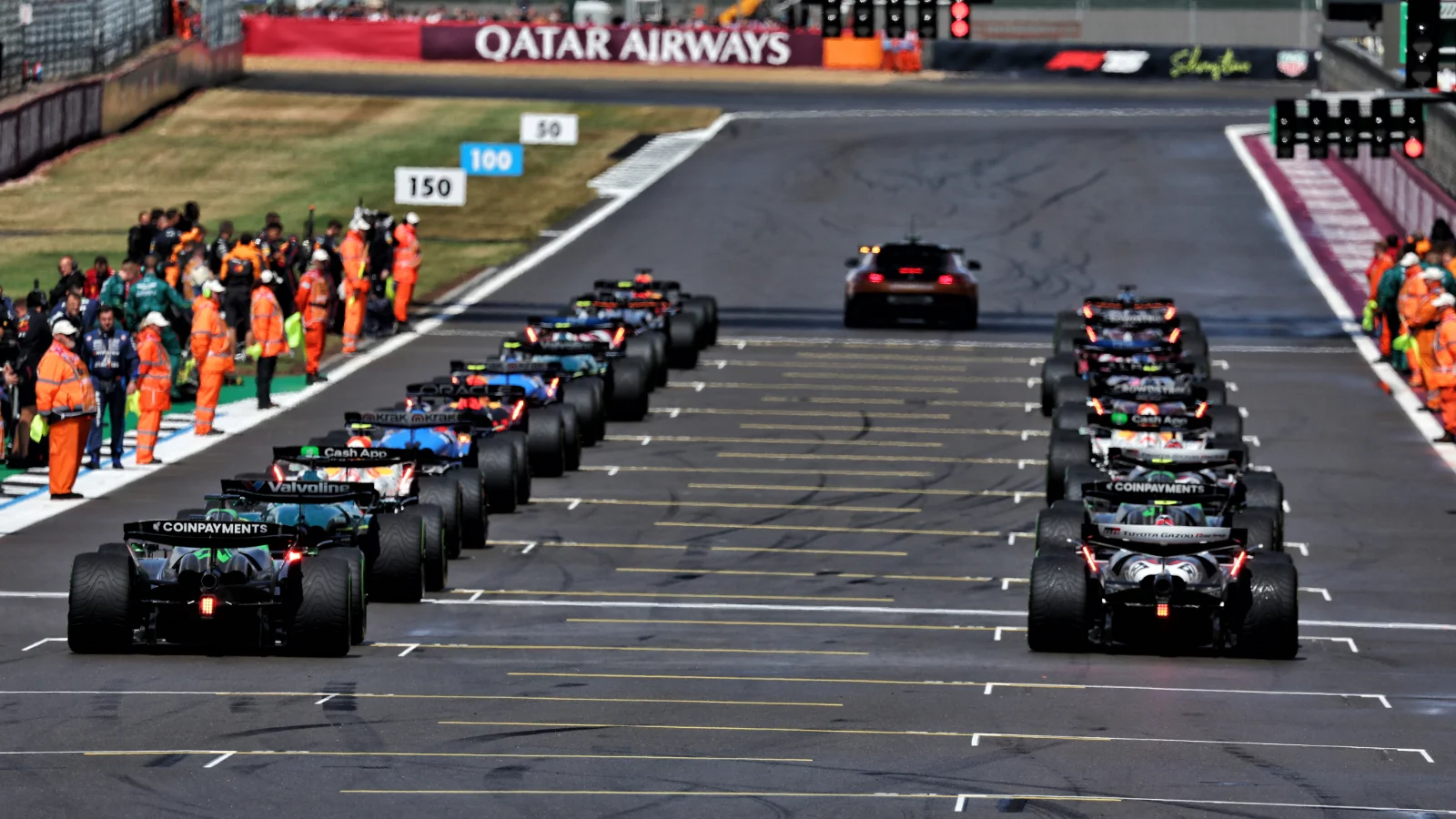
Starting position has always mattered in Formula 1, but in the modern era it has arguably become even more significant. Although races are won over many laps rather than a single flying lap, securing a strong place on the grid often provides a decisive strategic advantage. For drivers and teams chasing victories or championships, qualifying remains one of the most critical sessions of the weekend.
Track position is more valuable than ever
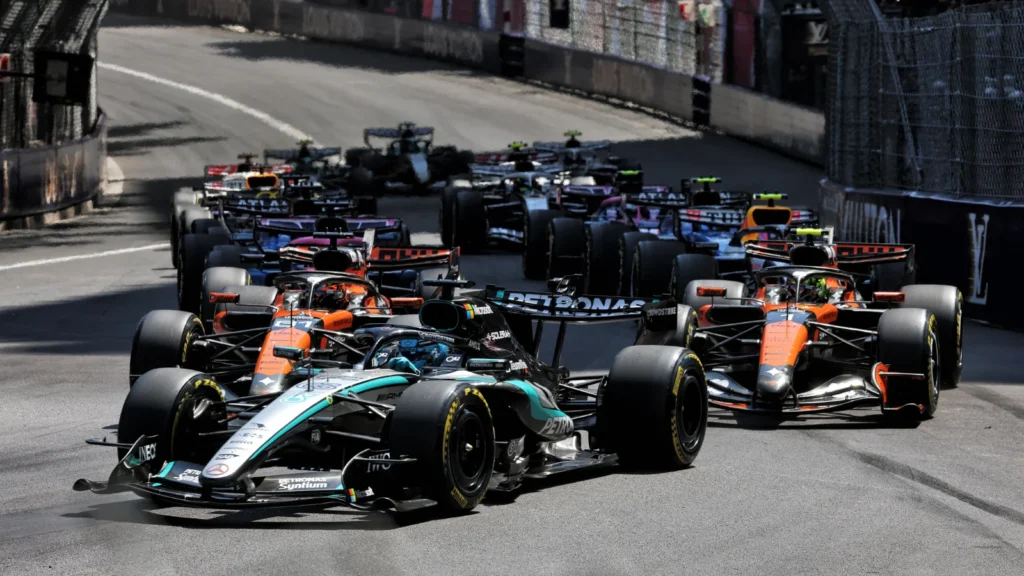
Formula 1 has changed dramatically and modern F1 cars are incredibly fast but also physically large and aerodynamically sensitive. Following another car closely often reduces aerodynamic efficiency, making overtaking more difficult despite improvements introduced through recent technical regulations.


The importance of strategic positioning reflects broader trends in competitive environments, where gaining an early advantage can influence later outcomes. Similar patterns of structured online competition can also be observed across platforms such as Melbet sports betting.
Starting near the front provides several clear benefits: cleaner airflow, greater strategic flexibility, reduced midfield traffic, lower collision risk, and better control of race pace. Track position frequently shapes the entire race from the opening lap.
Clean air makes a difference
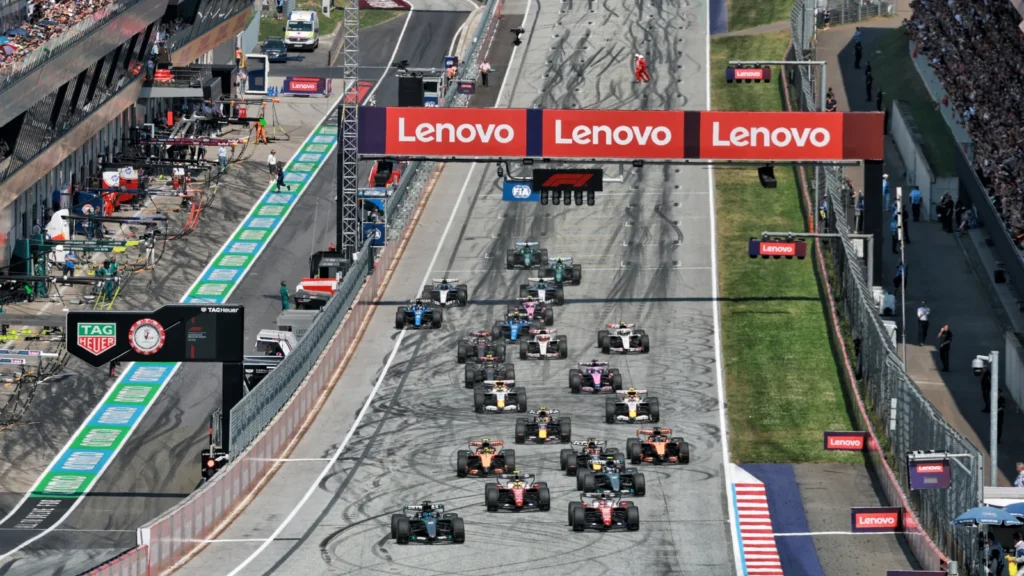
One of the biggest advantages of qualifying well is running in clean air. Cars leading the race generally benefit from better aerodynamic performance, improved tyre management, more predictable braking, lower cooling challenges, and greater freedom to control race pace.
Modern Formula 1 teams rely heavily on data analysis throughout every session. Similar patterns of technology-driven decision-making can also be seen on platforms such as the Melbet app, where digital services continuously adapt to changing conditions. Even small aerodynamic advantages can become significant over a full Grand Prix distance.
Strategy begins on Saturday
Qualifying influences much more than the starting grid. Teams use Saturday’s results when planning pit stop timing, tyre selection, fuel management, defensive strategy, and race pace targets. A good qualifying session often simplifies strategic decision-making during Sunday’s race.
Small differences separate the grid
Modern Formula 1 competition is remarkably close. Grid positions may be decided by hundredths of a second, with tyre preparation, wind conditions, track evolution, and driver precision all playing a role. Tiny performance gains can translate into several positions on the starting grid.
Drivers must deliver under pressure
Qualifying places enormous psychological demands on drivers. Each lap requires absolute concentration, precise braking, maximum commitment, consistent execution, and confidence under pressure. Unlike race conditions, qualifying offers very little opportunity to recover from mistakes.
Overtaking is still challenging
Although Formula 1 regulations have improved wheel-to-wheel racing, overtaking remains difficult on many circuits. As a result, qualifying often has an even greater influence on the final result at certain venues.
Championship campaigns depend on consistency
Across a full season, qualifying consistency frequently separates championship contenders from the rest of the field. Successful teams consistently aim for front-row starts, clean opening laps, flexible strategies, efficient tyre management, and reliable points scoring. Strong qualifying performances reduce unnecessary risks throughout the championship.
The future of Formula 1 qualifying
Formula 1 continues exploring ways to improve competition while maintaining the importance of qualifying. Future developments may include revised qualifying formats, further aerodynamic improvements, enhanced tyre strategies, more advanced simulation tools, and continued regulation adjustments to encourage closer racing. Even as the sport evolves, qualifying is expected to remain one of the defining moments of every race weekend.
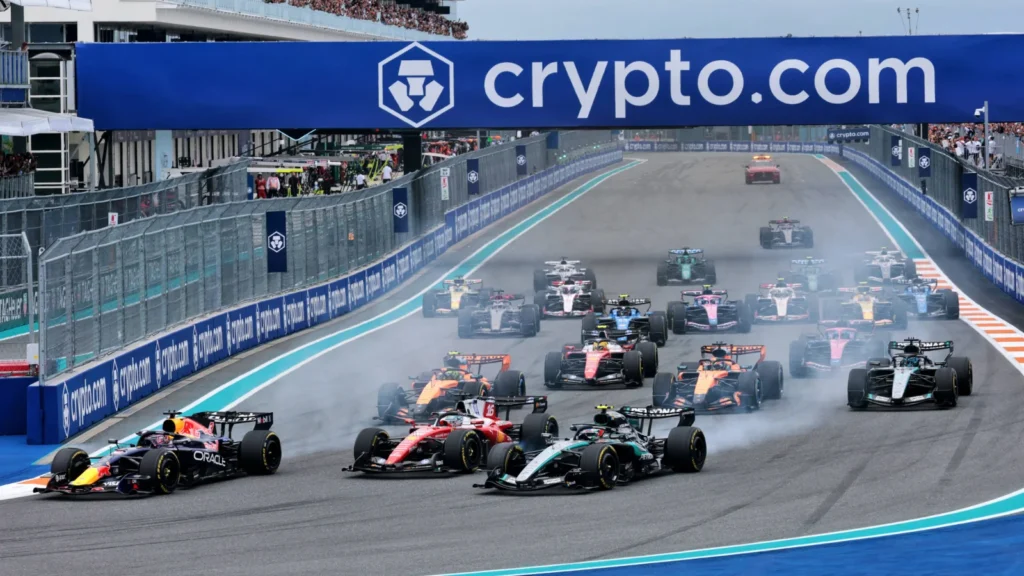
Qualifying continues to be one of the most important elements of modern Formula 1 because it establishes the strategic foundation for Sunday’s race. A strong grid position provides cleaner air, greater tactical flexibility, improved tyre management, and a reduced need for risky overtaking manoeuvres. In a championship where margins are often measured in thousandths of a second, every qualifying lap can have lasting consequences.
At the same time, qualifying showcases some of the sport’s greatest individual performances. Drivers must combine technical precision, mental resilience, and complete confidence to produce a single lap at the absolute limit of the car’s capabilities.
Looking ahead, technological progress and future regulation changes may alter the details of Formula 1 competition, but qualifying is likely to remain one of the most decisive and exciting aspects of the championship. Its influence on race outcomes ensures that Saturday afternoons will continue playing a vital role in determining success on Sunday.