
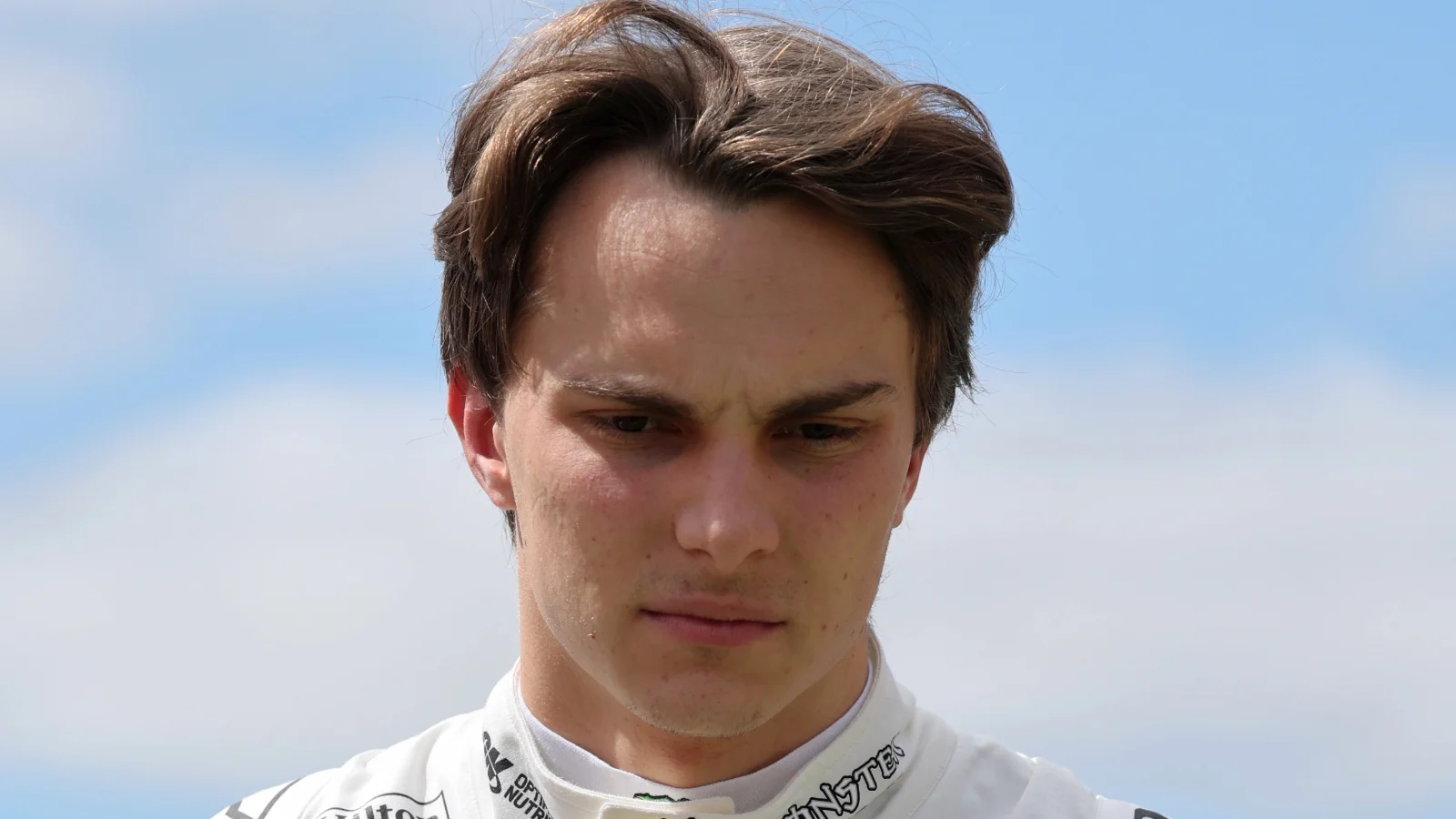
Oscar Piastri cited the new Formula 1 power unit regulations for bringing what he described as an “element of luck” to the style of racing in the early laps of Grands Prix this year.
The new regulations have divided opinion since the season began in Melbourne, with early examples of what many dubbed ‘yo-yo racing’.
With cars making the most of their respective batteries’ energy to utilise overtaking opportunities, the supposedly synthetic brand of racing is therefore exposed a lot more on faster circuits.
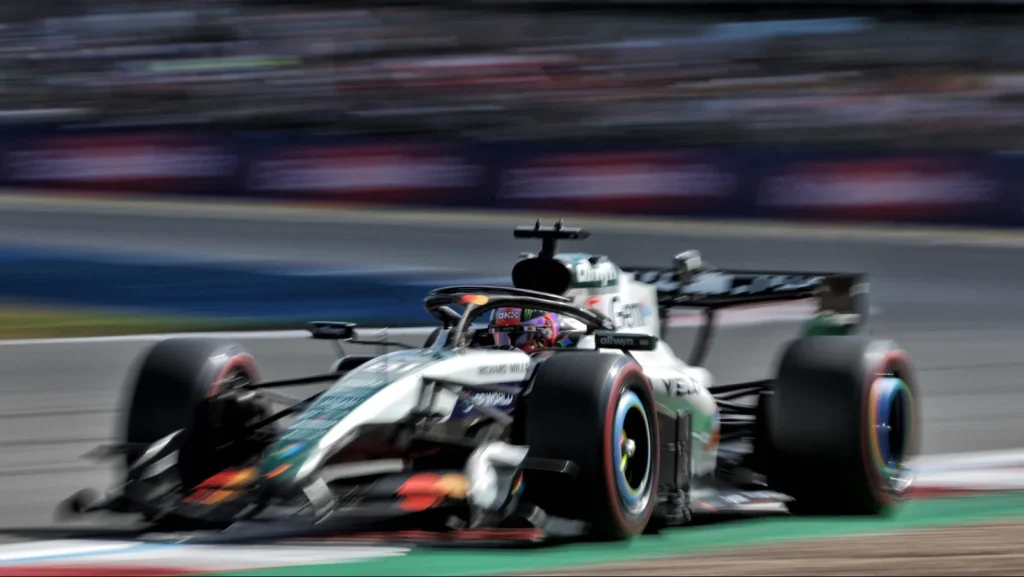
And last weekend’s British Grand Prix was, predictably, a prime example, with its fast profile enabling said ‘yo-yo’ racing, particularly in the Sprint on Saturday.

Whilst it has led to counterpoints about providing excitement through the level of back-and-forth overtaking, many drivers, such as Max Verstappen and Lando Norris, voicing their disapproval.
Other aspects of the new regulations include the active aero systems which have replaced DRS, but the boost option through the battery is causing occasions of serious power differences.
And it’s this which is causing Piastri some serious concerns.
“It’s tough, because some of the moves genuinely are still very good, but some of them really aren’t,” said the Australian, who laboured to 11th at Silverstone after early damage due to contact with Liam Lawson.
“When you’re racing four people, especially on the first few laps, there’s such a massive element of luck now, because what I had in the Sprint, especially with how the boost button works now, you have to commit so early to using the boost button.
“And I used it, caught George [Russell] massively in the straight, but too close to the corner, so I had to brake.
“So this was a whole bunch of energy for no reason, but the only reason I pushed the button was to keep Charles [Leclerc] behind, and he didn’t push it, so in the end I didn’t need to push it, so like it’s just a massive game of flipping a coin, basically.”
‘Sometimes it works for you, sometimes it doesn’t
Piastri added that there is an acceptance that fortunes change frequently between drivers and voiced his frustration that a good overtake can be easily undone by being overtaken by a car with more energy.
“All the deployment around you and sometimes it works for you, sometimes it doesn’t. This is a very extreme example for that, but it’s a shame in the car when you like to do something great, and then you just get passed again the next time.”
Piastri will be subjected to more of the same next week at Spa-Francorchamps, with high-speed straights and complexes likely to show further necessities for super clipping and harvesting at the Belgian Grand Prix.
READ MORE – Motorsport Week’s 2026 F1 British GP Driver Ratings





Discussion about this post