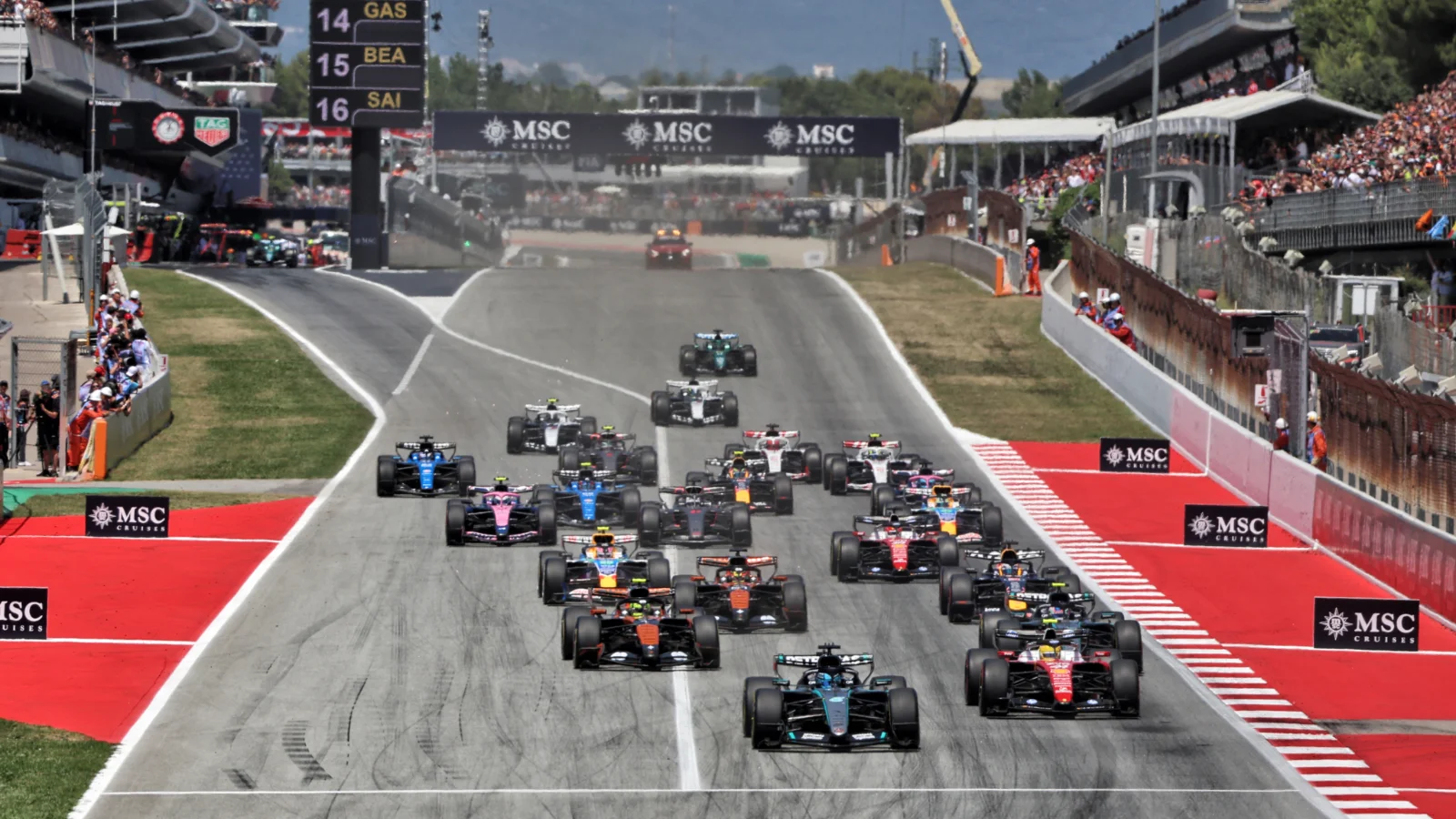
In Formula 1 there are many fine details that can completely change the outcome of a race weekend, and one of the most misunderstood aspects is the grid penalty system.
The rules governing these penalties are more complicated than they might seem, even if what a fan typically sees is simply a driver dropped several places on the starting grid.
Grid penalties are not arbitrary punishments. They are a set of rules designed to govern component usage, sporting fairness, and on-track behaviour. In the same way that PH Bingo follows clear structured patterns that guide every round,
F1 penalties are layered within regulations that determine how and when they are applied. With so many overlapping rules and different consequences for different infractions, even long-time fans often find the system confusing.


What a grid penalty actually means
A grid penalty is a sporting sanction that drops a driver down the starting grid. The driver falls a set number of places from the position they qualified in, depending on the severity of the penalty.
For example, a driver who qualifies fifth but receives a three-place grid penalty will start eighth. It becomes more complicated when more than one driver is penalised in the same session, or when penalties are larger than the number of available grid positions. This is where the Formula 1 system becomes particularly difficult to follow.
Why grid penalties are given
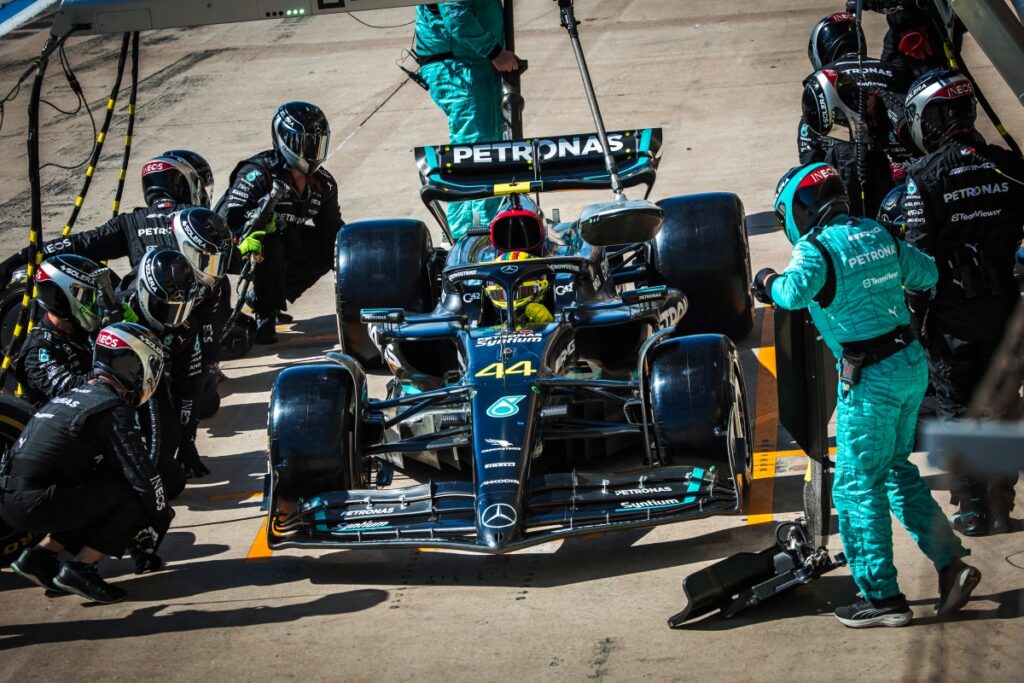
There are several reasons why drivers receive grid penalties, generally divided into technical and sporting categories.
Power unit and component changes
One of the most frequent causes of grid penalties is exceeding the permitted number of power unit components. Each driver has a limited allocation of the following elements across a season: internal combustion engine, turbocharger, energy recovery system, exhaust system, and gearbox elements.
Once a driver exceeds their allocation for any component, they are automatically penalised — typically with a drop of five or more places, or in some cases they are required to start from the back of the grid.
Gearbox and reliability changes
Gearbox changes outside the permitted cycle also carry penalties. Teams occasionally choose to take these penalties strategically at circuits where overtaking is easier, deliberately accepting the sanction at a point in the season where the impact on race results is smaller.
Sporting infractions
Other incidents that can result in grid penalties include blocking a driver during qualifying, creating unnecessary obstruction, or disregarding sporting rules during track sessions. These penalties are typically small — one to three grid places — but can still have a significant impact on race strategy.
Why the system becomes complicated
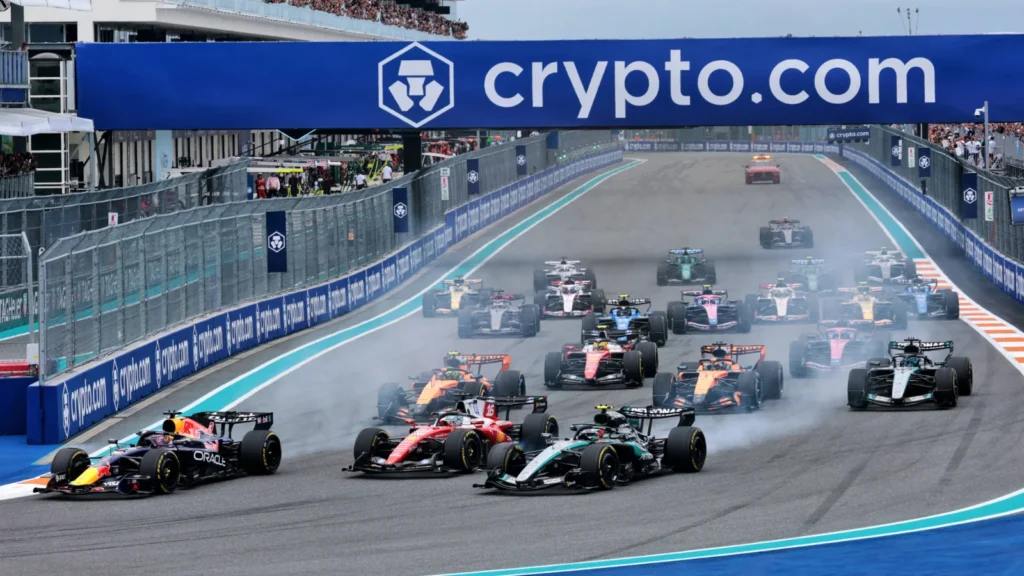
Grid penalties are complex in how they are applied. Unlike simple time penalties, they must be calculated against qualifying results and the penalties received by other drivers in the same session.
When more than one driver receives a penalty, the FIA must determine the order in which penalties are applied, whether any driver drops to the back of the grid, and how overlapping penalties affect starting positions. This can lead to situations where a slower-qualifying driver starts ahead of a faster-qualifying driver, simply as a result of the timing and sequencing of penalties.
“Back of the grid” penalties
Some infractions result in a driver being sent to the very back of the grid. This typically happens when a driver exceeds their allocation across multiple power unit elements simultaneously, when a new engine is introduced with no remaining allocation, or when significant technical changes are made outside the permitted regulations.
In these cases, qualifying position becomes irrelevant and the driver starts from the last row.
Strategic use of grid penalties
Interestingly, teams sometimes treat grid penalties as a strategic tool rather than simply a setback. A team may choose to take an engine penalty at a circuit where they expect to be uncompetitive, thereby avoiding a worse penalty later in the season at a more important race.
This introduces a long-term planning element, where grid penalties become part of season management rather than purely a punishment.
Why fans find it confusing
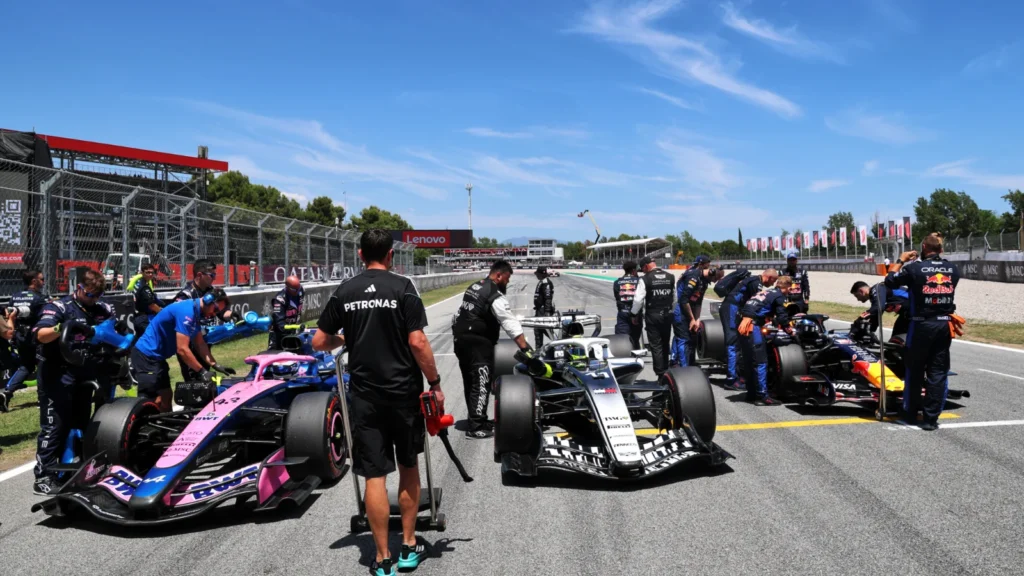
There are three main reasons why grid penalties are difficult to follow. First, the rules change periodically, particularly around power unit regulations. Second, a single qualifying session can contain multiple overlapping penalties applied to different drivers. Third, the FIA often issues penalties after qualifying has finished, meaning the starting grid can change several hours after the session ends.
That delay adds to the confusion, especially for casual viewers who expect the qualifying order to match the race starting positions.
Conclusion
Grid penalties are an integral part of Formula 1’s regulatory framework, helping to balance performance limits, safety, and sporting fairness. However, between technical restrictions, sporting rules, and the complexity of how they are applied, they can seem far more complicated than necessary.
Fans who understand how they work will more readily appreciate why starting grids so often differ from qualifying results, and why a strong qualifying run does not always guarantee a strong grid position. Ultimately, grid penalties are more than simple punishments — they are a strategic and regulatory layer that adds another dimension to Formula 1 racing.