Formula 1 has its own language, and its jargon can feel overwhelming when you are just getting into the sport.
One term you will hear constantly every race weekend is “pole” — and there is a good reason why it comes up so often in the broadcast.
A pole position can shape the outcome of a race. If you have been watching and still find yourself wondering what pole means in F1, here is everything you need to know.
What does pole mean in F1?
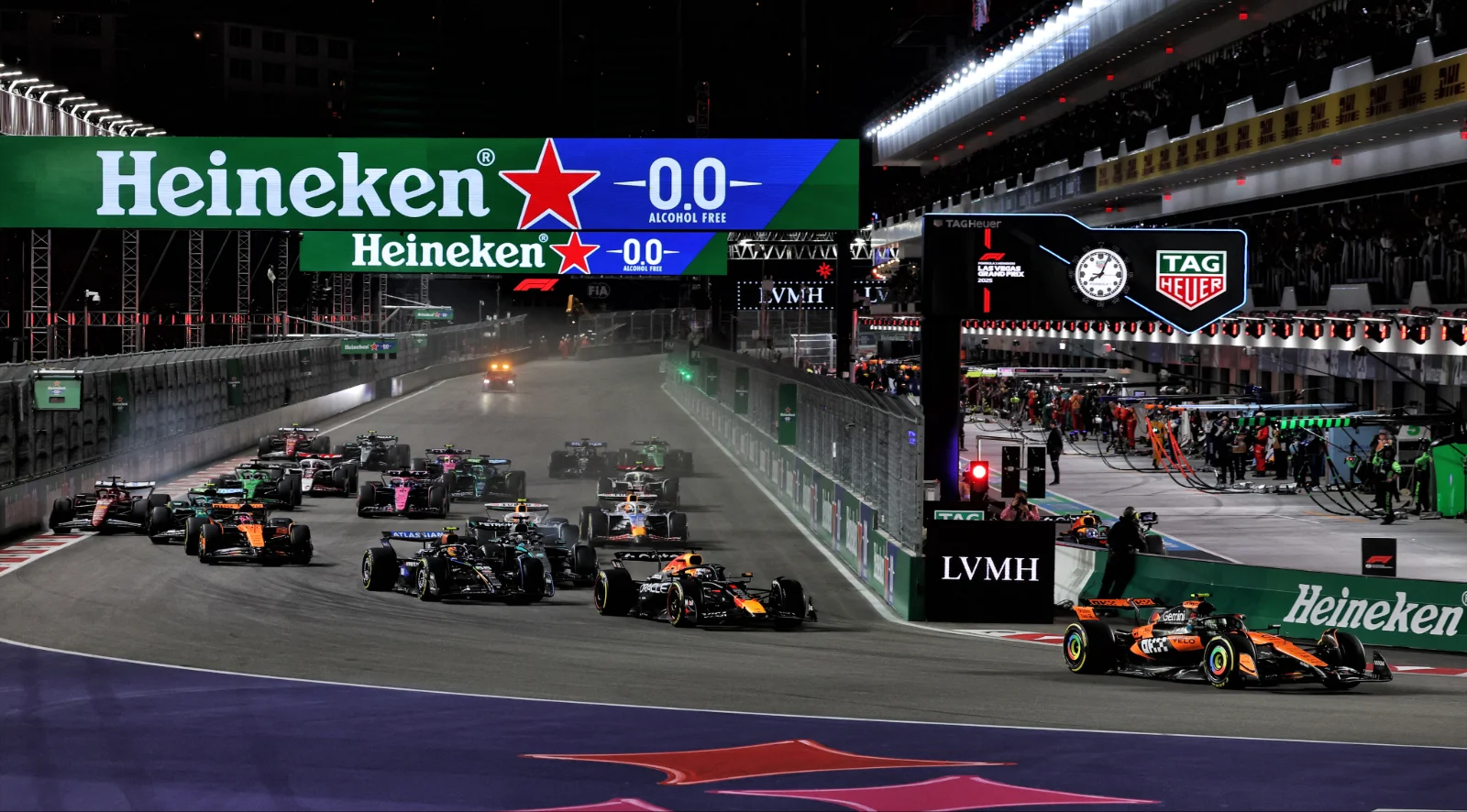
Pole position in F1 means starting a race at the front, ahead of every other driver on the grid. The driver with the fastest lap time during qualifying earns pole position — it is the best possible starting spot for an F1 race.


There are some circuits where pole position matters considerably more than others. Monaco is one example, since it is nearly impossible to overtake there due to the narrowness of the track. Starting on pole at Monaco can easily translate into winning the race.
A pole start does not guarantee a race win, but it is a clear advantage. Drivers on pole have no traffic to navigate and full control over race pace from the very first lap. That starting edge tends to be reflected in the odds, and getting the best price on the favourite is easier with a tool like BookiesBonuses’ Boostfinder.
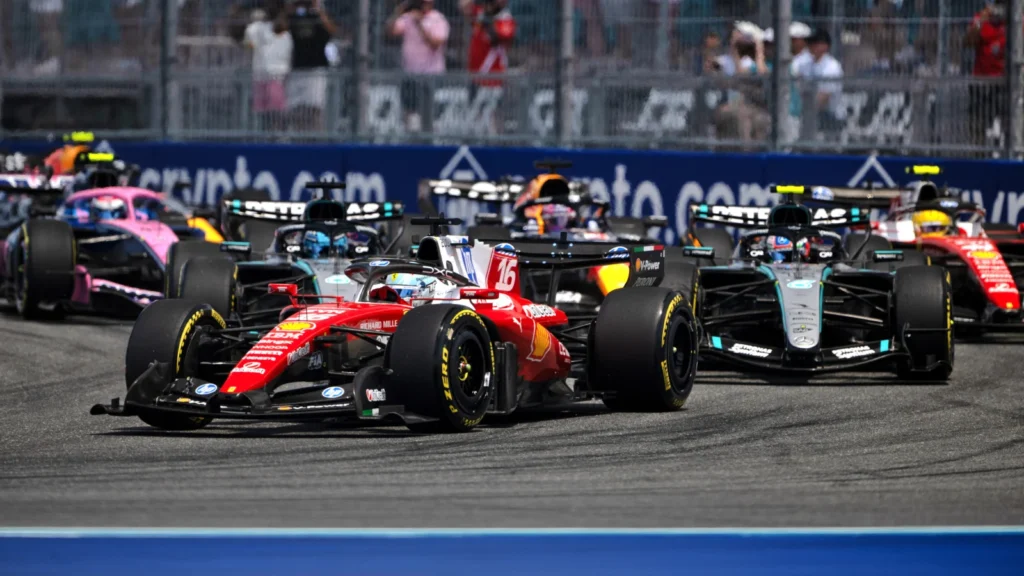
Pole advantage can also disappear quickly. Here are the main factors that can reduce or completely wipe out the pole position advantage:
- Safety car — this bunches all the cars back up instantly, so any gap the leader built will be gone.
- Pit stop strategy — a rival team can time an undercut perfectly and jump the pole-sitter without a single on-track pass.
- Bad start — a poor launch can cost a driver two or three places before they even reach the first corner.
- Rain — if conditions change, tyre choices can flip the entire race order.
- DNF — a driver can still be involved in a crash or retire due to a technical problem. Both happen regularly at Monaco, where even top drivers like Verstappen can DNF.
F1 pole FAQs
What does it mean to be on pole in F1? Being on pole in F1 means starting the race at the front of the grid, ahead of every other driver.
Does pole position matter in F1? Yes — pole position matters because it gives you clean air, no traffic, and full control over your own pace from the start.
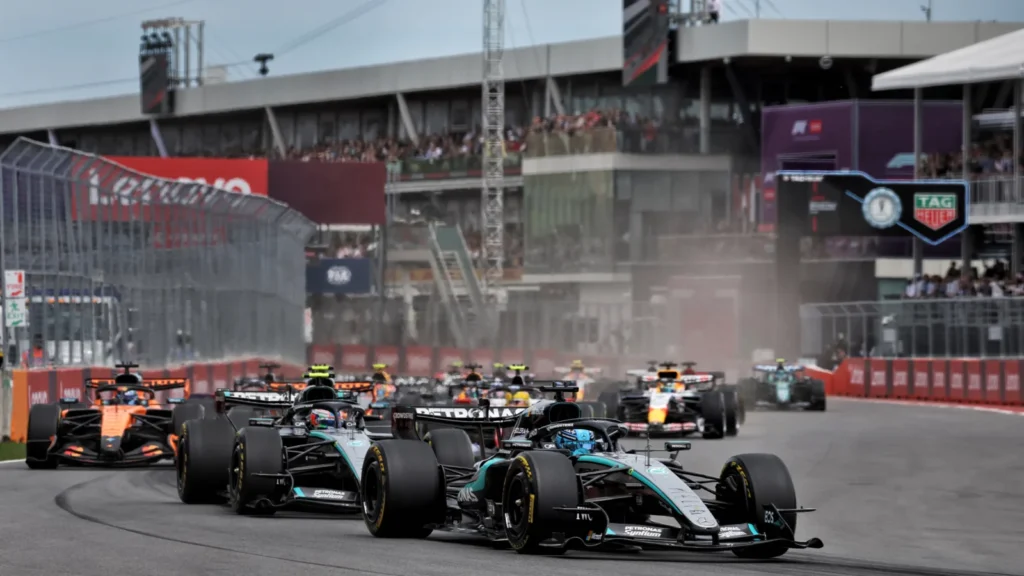
How do you get pole in F1? You get pole in F1 by setting the fastest lap time during the qualifying session held the day before the race.
What is the difference between pole and winner in F1? Pole position is where you start the race. The winner is whoever crosses the finish line first. The pole-sitter does not always win.
What is the difference between podium and pole? Pole is a starting position earned in qualifying. A podium means finishing the race in the top three.
Who has the most poles in F1? Lewis Hamilton has the most pole positions in F1 history with 104 poles.
Why is it called pole position? The term comes from horse racing, where the fastest horse was placed closest to the pole that marked the start line.