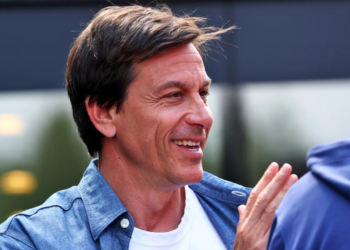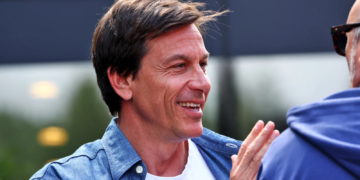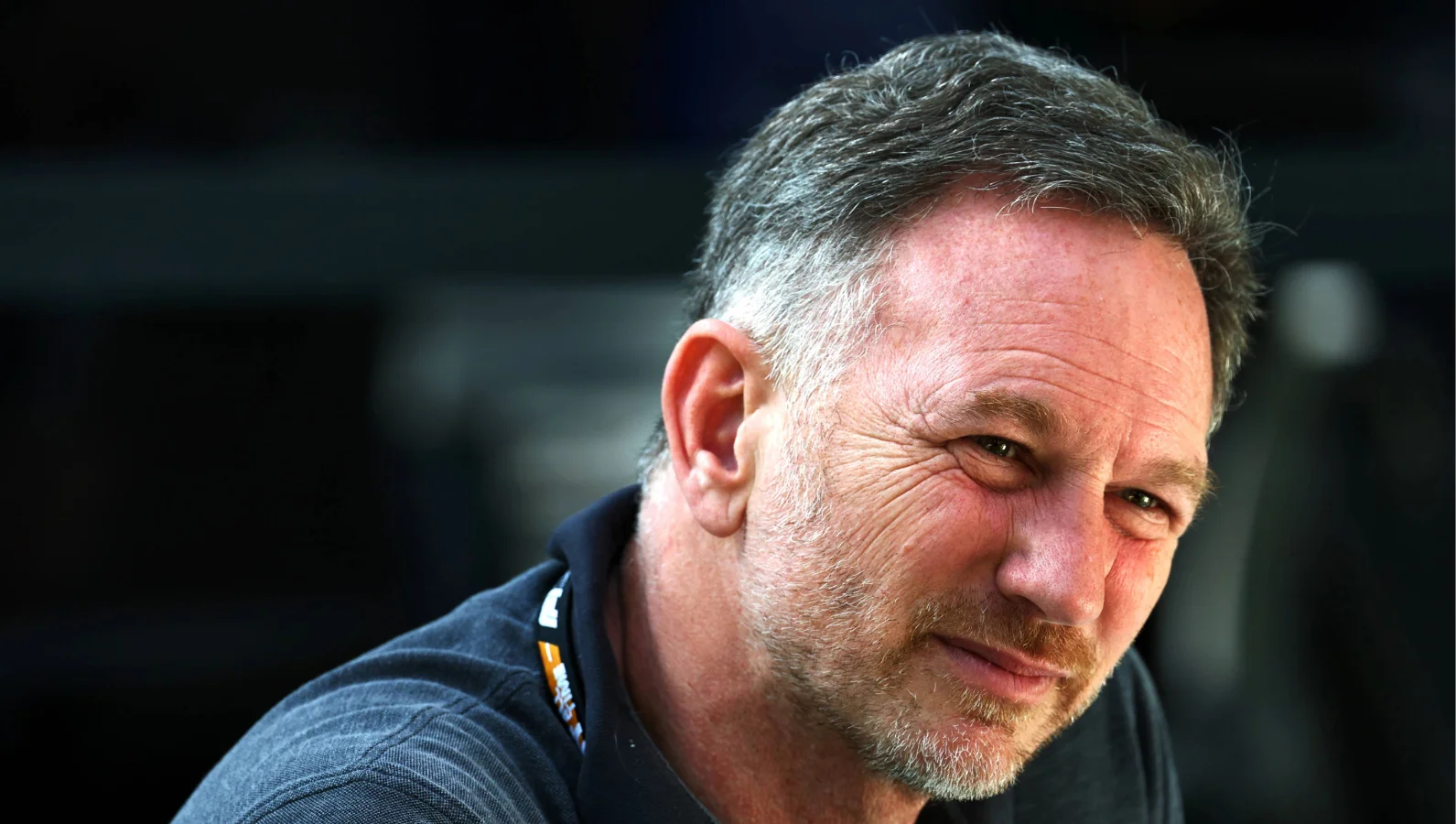
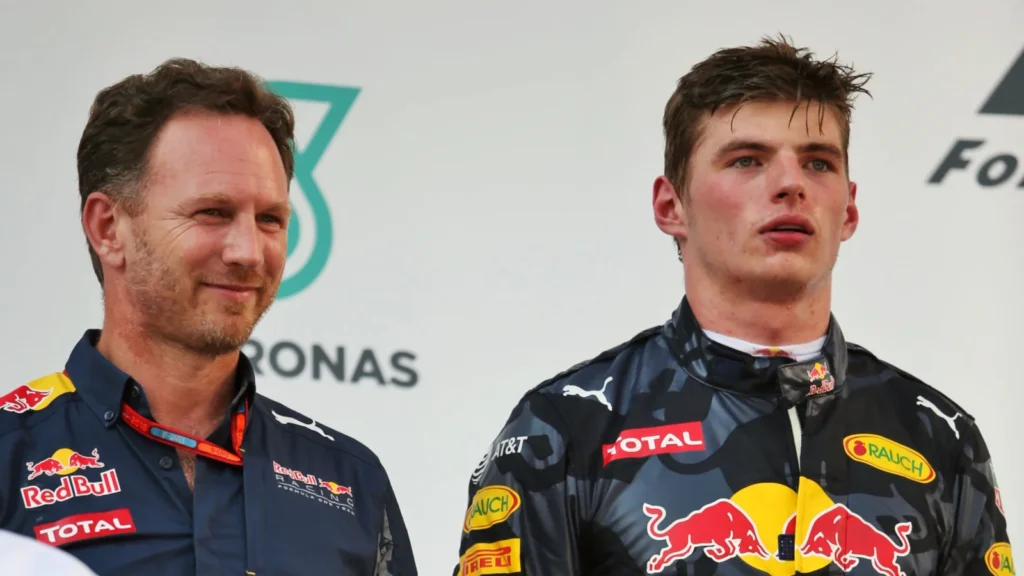
A photograph from the Cannes Film Festival did more to clarify Christian Horner’s post-Red Bull strategy than ten months of speculation.
Spotted alongside Stella Li, executive vice-president of BYD, the former Red Bull team principal was confirmed by the Financial Times and ESPN to be in active conversation with the Chinese carmaker about a potential Formula 1 entry.
The talks are early-stage and uncommitted, but the meeting closes a long-running question about Horner’s intentions: he is not waiting for an offer, and he is not negotiating with a single team.
The signal worth reading is not the BYD conversation in isolation but the breadth of what Horner is doing in parallel. The FT confirms he is among the parties interested in a 24% stake in Alpine, the F1 team now owned by US investment firm Otro Capital. He has separately taken on an advisory role at Oakley Capital, the buyout firm, on investments in premium sport.

Across three distinct tracks — equity stake, operational entry, financial advisory — Horner is assembling something closer to Toto Wolff’s structural position at Mercedes than a straight team-principal appointment. He is buying optionality, and the Red Bull settlement bought him the time to do it.
The Alpine hedge
The Alpine conversation matters even though it is unlikely to deliver what Horner ultimately wants. A 24% stake is a substantial financial position but does not deliver operational control: Renault remains the majority shareholder, and Otro Capital’s holding structure constrains how much governance a new minority investor can extract.
If Horner takes the position, it is a hedge — a paddock seat at a manufacturer team while the bigger BYD play develops on a longer timeline. He has watched a generation of team principals turn minority equity into nine-figure wealth at returns far higher than salary alone could produce. The Alpine track addresses that gap directly.
The BYD bet
The BYD track is the more interesting bet because it solves a problem no existing team can. BYD is the world’s largest EV maker and has been pushing aggressively into European sport over the past eighteen months — a Manchester City partnership signed in February 2026, an Inter Milan deal, and now exploratory motorsport conversations that Li herself has publicly acknowledged.
The strategic logic is straightforward. Liberty Media wants a Chinese anchor for the sport’s largest unrealised audience; the FIA has stated on the record that a Chinese manufacturer entry would be welcomed; BYD wants a global premium platform that aligns with F1’s 2026 power-unit regulations, which weight electrification more heavily than at any point in the sport’s history. And on USDT betting sites by TipsGG, this is the kind of move that tends to show up in the odds.
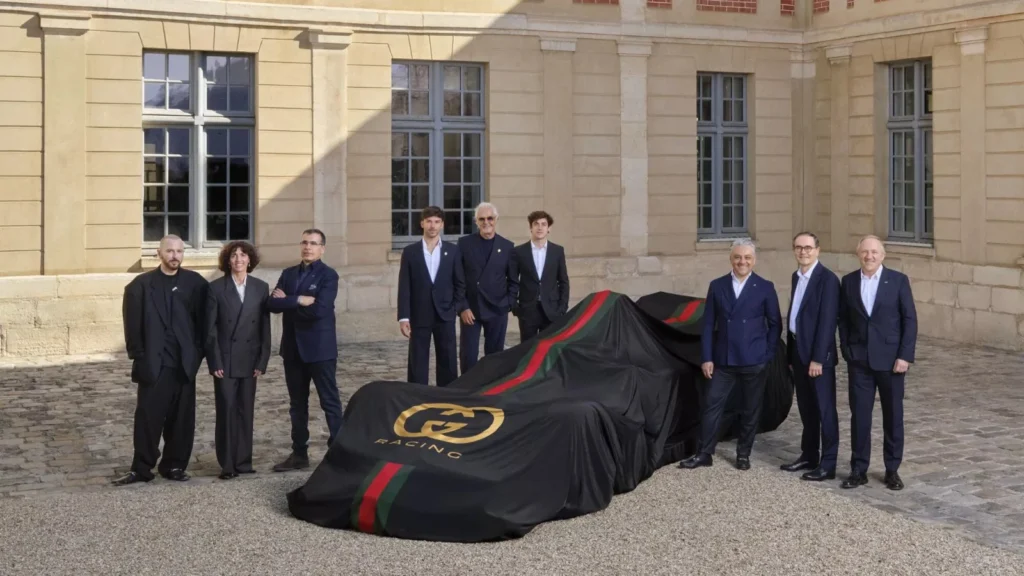
What BYD does not have is operational F1 experience, which is exactly what Horner sells. Cadillac, whose 2026 entry was launched with significant fanfare, is holding tenth place in the constructors’ standings after four races — a respectable result for a brand-new operation but a useful reminder of how steep the learning curve actually is, even for an entry with GM money, Ferrari power units, and seasoned veterans behind it.
A twelfth-team bid built around BYD would face the same compressed development timeline. Hiring someone who has done the equivalent build before is not a luxury; it is the cost of entry.
The architecture of optionality
That word — luxury — is not accidental. The structure of Horner’s Red Bull exit was built around conditions that let him scale himself as an asset rather than be placed as an employee. The unusually short gardening leave, the full contract value paid out, the right to return immediately, the absence of any binding non-compete — none of it was accidental.
It was the architecture required to let him pursue exactly this kind of parallel portfolio, where no single conversation needed to convert into a closed deal within the calendar year. The Cannes photograph confirms the patience is paying off. There has also been speculation that Ferrari considered a move for Horner earlier this year, adding further weight to the sense that he has never been short of options — only selective about which ones to pursue.
Ten months ago, the question was where Horner would land. The accurate question now is which combination of positions he holds simultaneously, and which becomes the primary vehicle for his second act.
Red Bull paid him to leave quickly. He has used the money to ensure he never has to take the first deal offered.