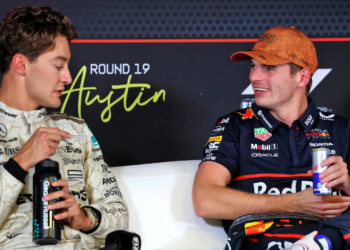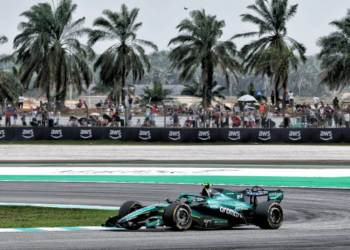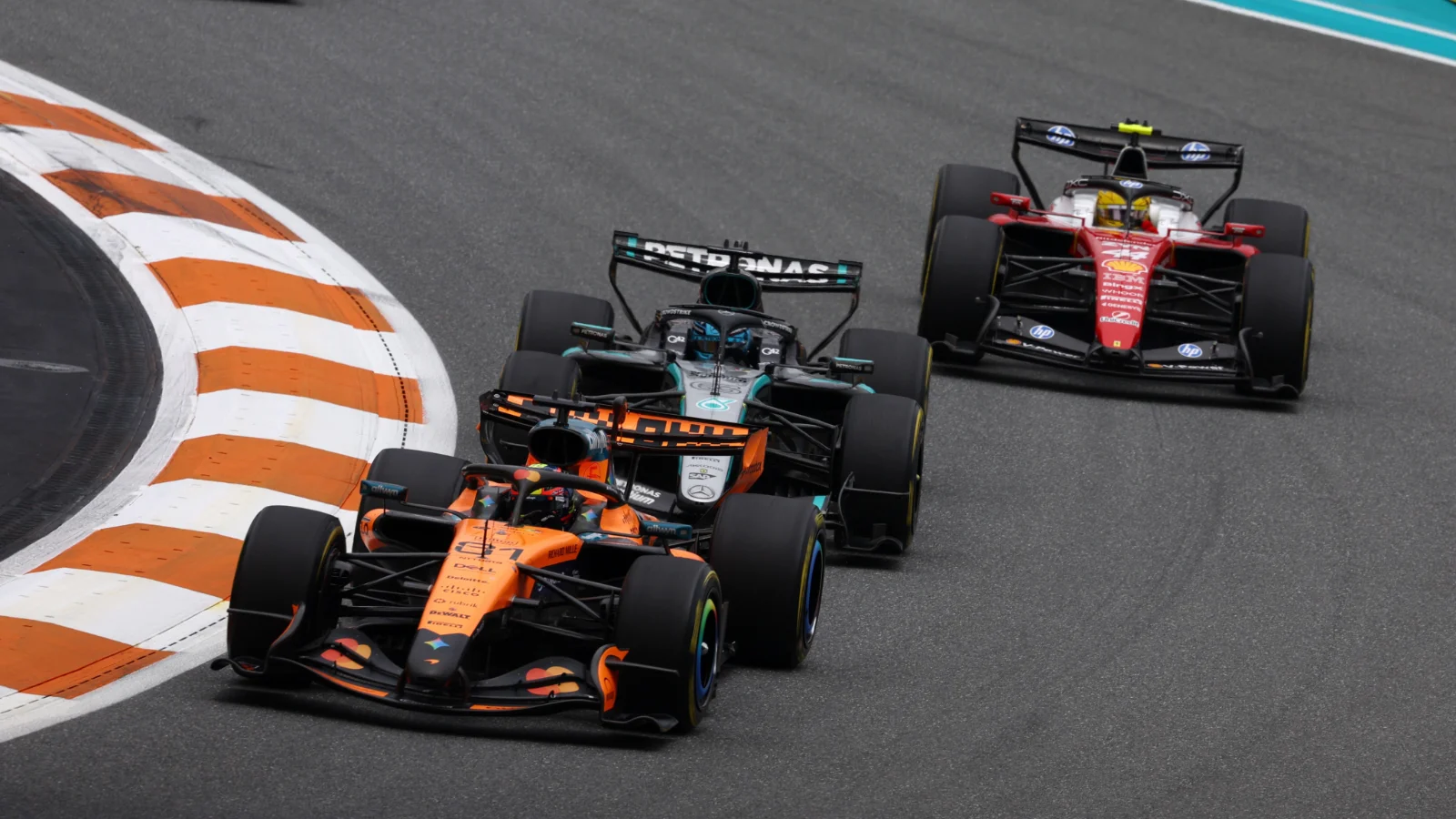
There was a time when being a Formula 1 fan was a predictable affair and a childhood dream. You’d wake up on a Sunday and watch a processional race at Magny-Cours or Hockenheim, and that was that for a fortnight. But the modern F1 calendar has shattered that tranquillity.
Today, being a fan is a full-contact sport. With 24 races spanning from the neon blur of Las Vegas to the humid mornings of Suzuka, we have become a global tribe of “24/7 fans” — checking FP1 results under the table during a Friday meeting and calculating time zone differences like amateur mathematicians just to catch a glimpse of a qualifying session.
This relentless schedule hasn’t just changed our sleep patterns; it has completely redefined how we entertain ourselves between the lights and the flag.
The adrenaline gap
The “adrenaline gap” is the by-product of a global schedule that leans heavily on gruelling tripleheaders. In particular, the 2026 season represents the ultimate test of this stamina. Fans must endure a taxing final stretch — Las Vegas, Qatar, and Abu Dhabi — spanning three continents in only 15 days as the calendar approaches its finale.


The contemporary fan has become a digital nomad to fill that gap. Nowadays, we live in Formula One rather than just “watch” it. According to current viewership data, nearly 50% of fans now use a “second screen” to track live telemetry on F1 TV or debate strategy on social media throughout the race.
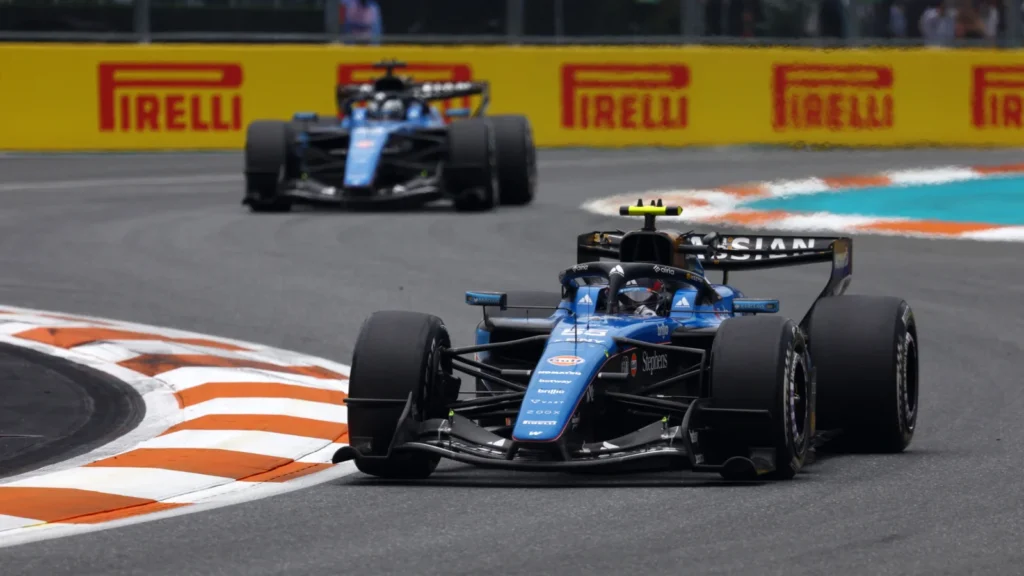
With instant telemetry updates and the inevitable memes that follow a Ferrari strategy error, our phones have become extensions of the cockpit. We demand digital entertainment that keeps up with a world where critical decisions are made in milliseconds.
This “always-on” mentality is largely driven by a massive shift in the sport’s core audience; recent data confirms that 43% of the F1 global audience is now under the age of 35. A basic, slow-moving app is insufficient for a fan who spends their weekend examining the minuscule margins of a DRS zone. We yearn for platforms that possess the responsiveness and smoothness of a carbon-fibre wing.
Digital entertainment and the modern fan
This appetite for technical precision naturally extends into our choice of entertainment, where there is a growing preference for online gaming platforms that mirror the high-stakes and data-driven nature of the sport. Recent industry trends show that nearly 40% of motorsport enthusiasts are drawn to F1-inspired titles that channel the chaos and strategy of race day.
This demand makes fans gravitate towards sophisticated interfaces like Spin Casino; its library features high-performance racing themes that echo the paddock’s “all-in” energy.
Furthermore, by providing exclusive analysis from icons like Jacques Villeneuve on the nuances of the 2026 energy-management era, the platform provides the expert depth that the modern, data-hungry fan expects. It is a space built for the same strategic, split-second decision-making seen on the track.
Community in the cloud
Perhaps the most human element of this digital boom is the death of the “lonely fan.” Years ago, if you lived in a time zone where the race started at 3:00 AM, you watched in silence. Today, you’re part of a digital grandstand.
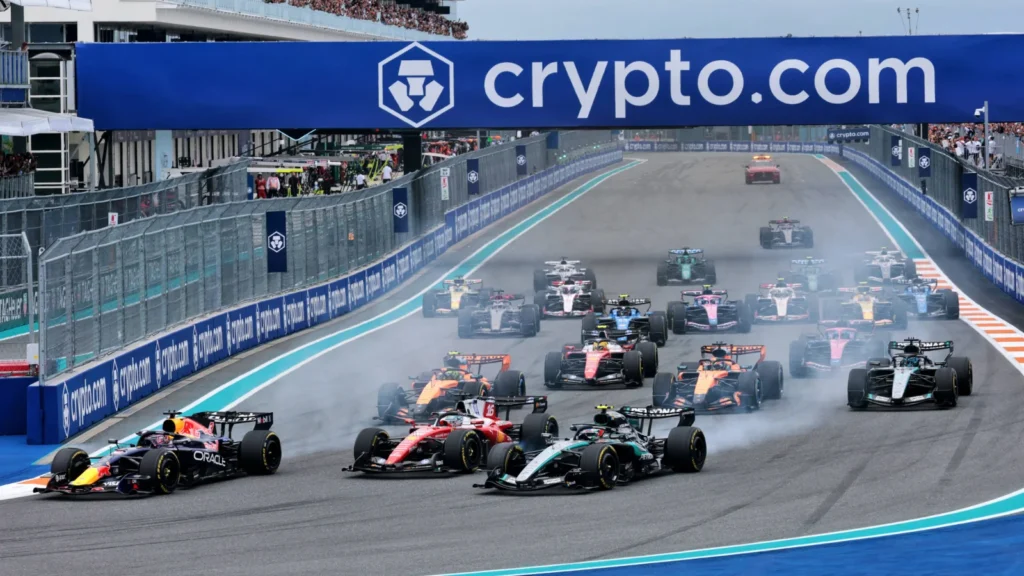
The 24/7 fan is never truly alone, whether it’s a Discord server full of people losing their minds over a last-lap overtake or a Reddit thread dissecting the aerodynamic upgrades on a sidepod. This sense of community is anchored in digital spaces. We have moved past being mere spectators; we are now part of a year-round ecosystem of podcasts, simulators, and interactive gaming that keeps the community spirit alive even during the gruelling winter break.
Why the “always-on” era is here to stay
Critics might argue that 24 races are too many — that the “spectacle” is being diluted. But for the fans who live for the Friday morning technical updates and the Sunday night debriefs, there’s no such thing as too much F1.
The sport has successfully moved from the tarmac into our pockets. We are living in an era where the boundary between the physical race and our digital lives has blurred into one high-velocity experience. As long as engines are roaring in some corner of the world, there will be a fan awake, looking for the next thrill. The race never truly ends; it just moves to a different screen.