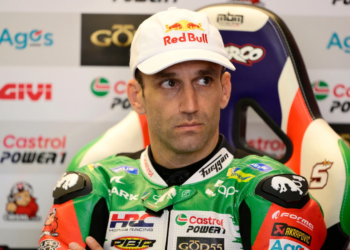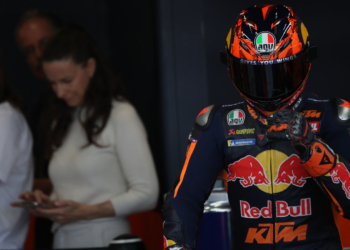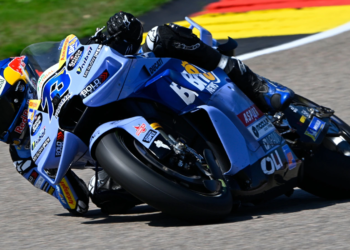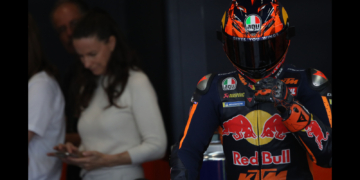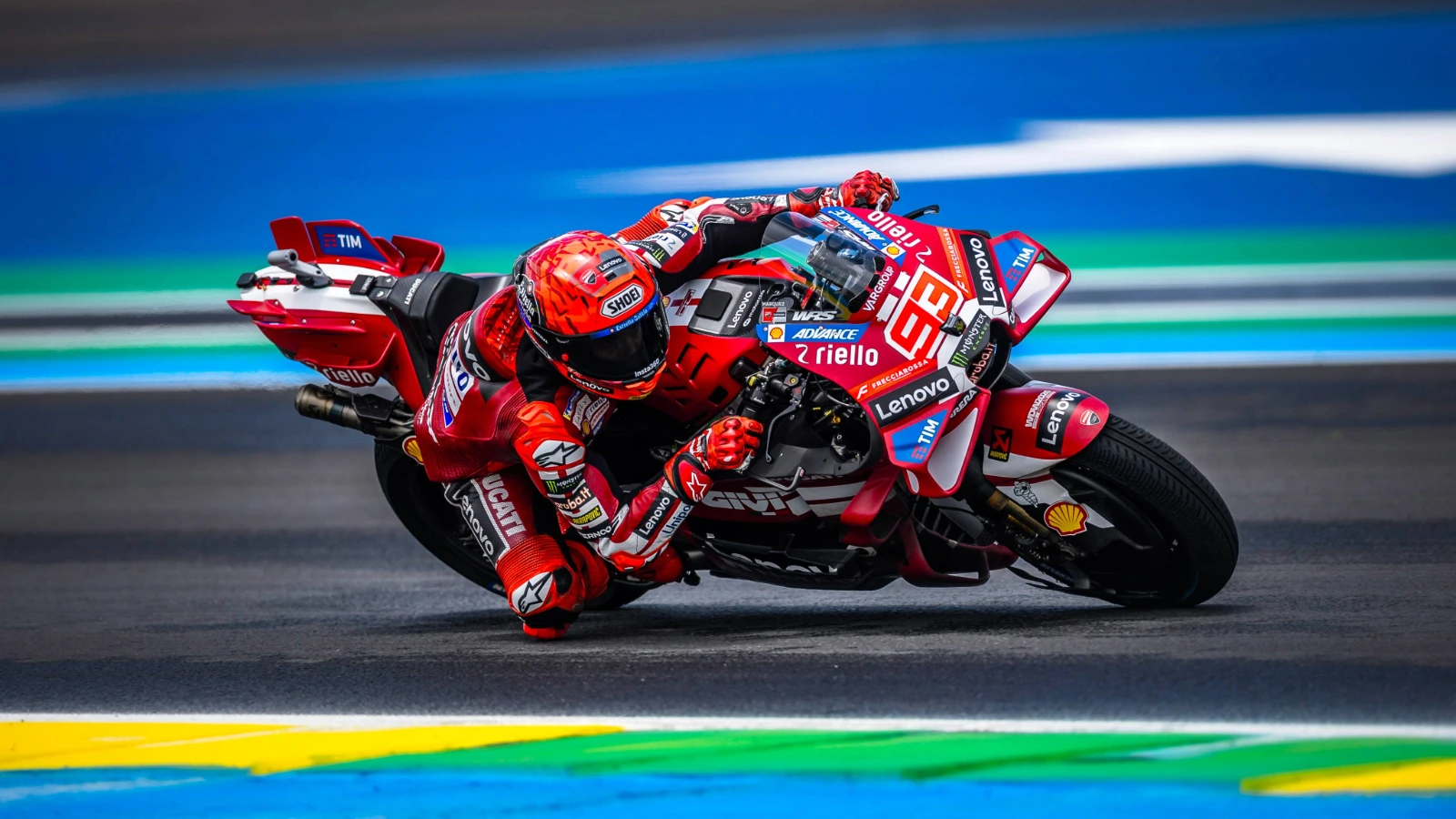
Qualifying day in MotoGP delivers a unique cocktail of pressure and precision. Riders dissect every micro-second, searching for that elusive final tenth.
For fans seeking a similar adrenaline rush away from the track, the strategic thrill of live dealer games at Winspirit best online casino 2026 captures a comparable intensity. The post-qualifying debrief is a raw, unfiltered look into a rider’s mindset before the main event.
Key facts: The qualifying pressure cooker
Modern MotoGP qualifying is a sprint within a sprint. These statistics highlight its evolving, high-stakes nature:
- In 2023, the average pole position margin across all races was just 0.167 seconds — the smallest gap in a decade.
- Since the introduction of the Q1/Q2 format in 2013, a rider from Q1 has won the race only seven times.
- Data from the FIM Grand Prix Commission shows teams will implement a new, unified qualifying software for all manufacturers in 2026.
- Fabio Quartararo’s 2022 Austrian GP pole lap was decided by a 0.029-second advantage — less than the length of a motorcycle.
- During a single 15-minute Q2 session, a top rider’s bike will transmit over 2 gigabytes of real-time performance data.
- Historical records note that the last rider to win a title without a single pole position was Nicky Hayden in 2006.
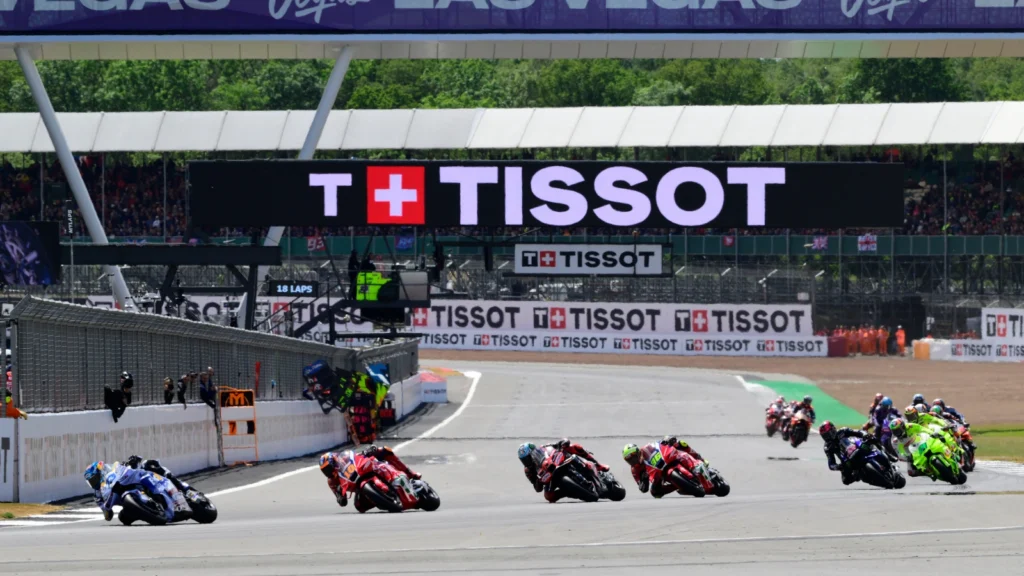
The mental jackpot of pole position
Securing pole is the ultimate psychological bonus for any rider. It provides clean air, strategic control, and a massive confidence boost. This advantage is not just about track position; it’s about winning the mental battle before lights out.
Riders often describe the feeling as hitting a personal jackpot — a reward for perfect execution under extreme duress. The post-session review focuses on how to convert this prime starting asset into a race win, protecting that hard-earned lead through the first chaotic corners.
Dissecting the lap: Data vs. instinct
Post-qualifying, riders and engineers swarm the data. They compare telemetry, corner speeds, and braking markers. Yet the human element remains irreplaceable. A rider’s feel for a sliding rear tyre or a gust of wind at turn-in can’t be fully quantified.
This blend of cold, hard data and raw instinct is crucial. The debrief aims to align the numbers with the rider’s sensory feedback, creating a unified plan for Sunday.
Managing risk for race day
The conversation inevitably shifts from one-lap pace to race management. A qualifying trim often stresses tyre wear and fuel consumption. Riders must review whether their spectacular lap came at a cost to their Sunday potential.
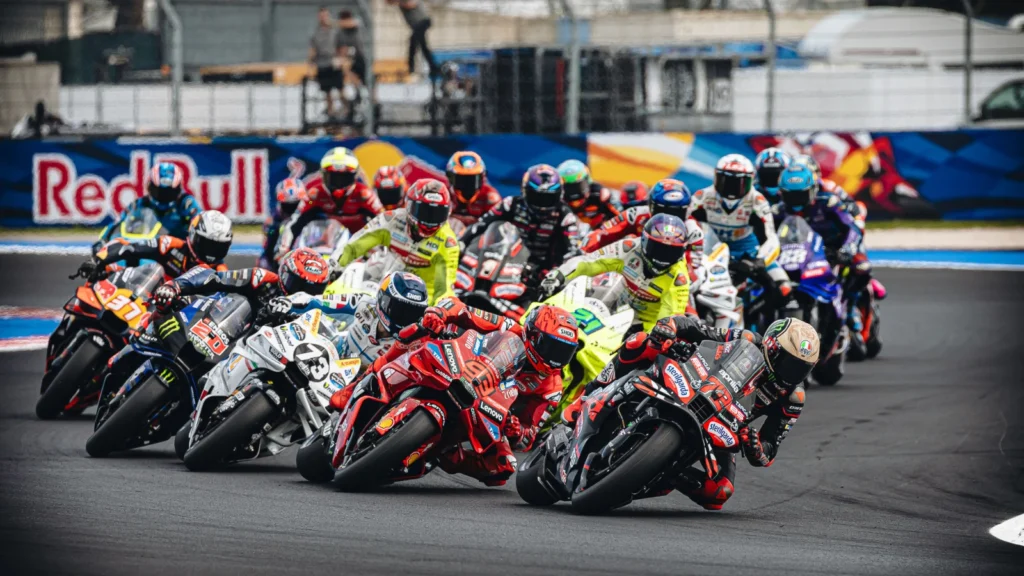
This is the core of motorsport strategy: balancing short-term glory with long-term success. Do you push the engine mapping to its limit for pole, or conserve it? These decisions define champions.
The fan’s parallel thrill
For the audience, the tension of qualifying is palpable. Watching a rider thread the needle on a final flying lap provides a surge of excitement. The immediate feedback, the chance-based outcomes, and the sheer entertainment value connect these seemingly disparate worlds.
MotoGP qualifying offers a pure distillation of speed and nerve. The subsequent review shapes the entire race weekend. It’s a process built on precision, adaptation, and courage — and the true takeaway is universal: success demands both meticulous preparation and the bravery to commit when the moment arrives.