The 2026 Formula 1 season opened under a cloud of controversy. The new rules — the biggest overhaul in sports history – introduced a 50-50 split between internal combustion and electricity.
Defending champion Lando Norris claimed Formula 1 went from best cars to worst with one rule change. Fernando Alonso even went so far as to call it the “World Battery Championship and Formula E on steroids.”
The story dominated every motorsport platform for hours – from fan podcasts and paddock press rooms to betting exchanges, online sections like Inside Ireland, Sportsbooks and Formula 1 community forums, where ante-post markets changed dramatically after three races opened.
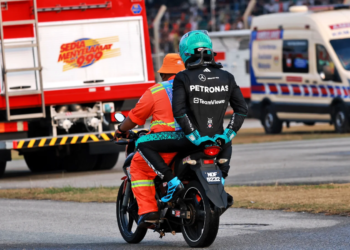
Meanwhile, one team quietly wins all the races, Mercedes, and it’s not a coincidence…

The pattern that always repeats
Every major regulation reset in Formula 1 history has produced a clear winner. Three examples make the point:
- 1983 — turbo era begins: Renault and Ferrari surge, Cosworth teams suffer
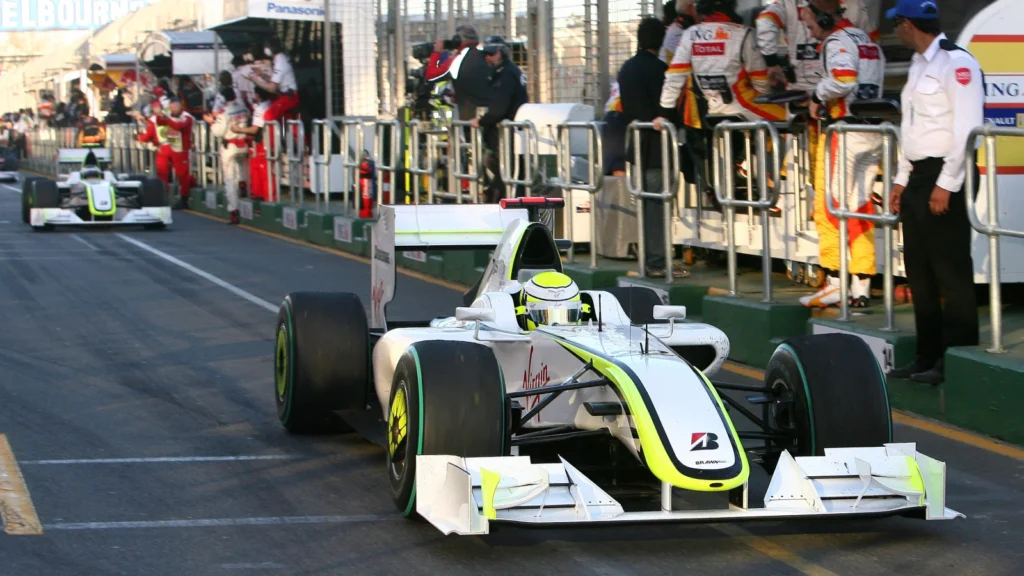
- 2009 — aero overhaul: Brawn GP appears from nowhere, wins the championship
- 2014 — hybrid introduction: Mercedes builds the best engine and dominates for six years
The pattern is consistent. Teams that invest earliest in the correct technical direction emerge strongest when the rules change. 2026 is no different — it just feels more dramatic because the criticism from the losers has been louder than usual.
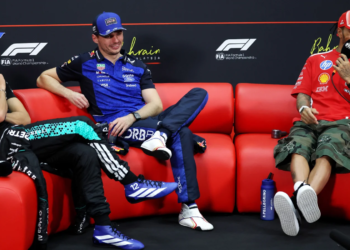
The loudest cheerleaders for the new regulations have been drivers in the most competitive cars — Mercedes and Ferrari. The loudest critics have been Verstappen, Norris and Alonso, all experiencing nightmare starts to the new era. Draw your own conclusions from that alignment.
What the 50-50 split actually means
To understand Mercedes’ advantage, you need to understand what the new power unit demands.
Under 2026 rules, the MGU-H heat recovery system has been eliminated. The electrical component now delivers roughly 350 kilowatts — matching the combustion engine almost exactly. Electrical deployment is no longer a supporting act. It is half the show.
The consequences on track:
- Energy management is now the central variable determining lap time
- Drivers must harvest battery charge through braking and coasting, then deploy it precisely
- Qualifying times are around two seconds slower than 2025 at every circuit so far
That slower pace is not a regulation failure in isolation. It is the direct result of teams still learning how to extract maximum deployment without draining the battery at the wrong moment. Mercedes, quite simply, learned it faster.
The engine advantage nobody discussed
Mercedes has been building hybrid power units since 2009. Their experience with electrical architecture, energy storage and deployment software is unmatched in the paddock.

When the 2026 regulations placed electrical power at the centre of performance, they were written — intentionally or not — in a language Mercedes already speaks fluently.
Compare that to the rivals:
- Red Bull — Honda partnership only matured properly in 2021, fundamental disadvantage in electrical integration
- McLaren — uses Mercedes power but chassis philosophy tuned for the previous aero era creates friction with new deployment requirements
- Ferrari — sits between the two extremes, competitive but not dominant
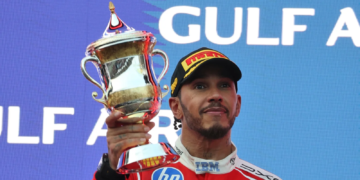
This explains why Lewis Hamilton, driving a Ferrari that is the second-best car on the grid, is one of the few voices genuinely praising the new formula.
The critics are the losers, not a coincidence
Verstappen compared the new cars to Formula E and Mario Kart. Norris said the machines are nothing like what he dreamed of racing as a kid. Alonso’s “battery world championship” and “Formula E on steroids” lines went viral globally, these are not neutral observations.
These are three drivers who won championships under the previous rules, now finding themselves outpaced by a rival who adapted better. The criticism is real — but the motive behind its volume deserves scrutiny.
What the FIA’s April changes actually signal
The FIA confirmed a regulation refinement package ahead of Miami, covering four areas:
- Qualifying — energy counter reset corrected
- Race performance — maximum ERS deployment reduced, improving car control
- Race starts — under review and testing at Miami
- Wet conditions — Intermediate tyres, tyre blanket temperatures increased following driver feedback
These are refinements, not reversals. Crucially, none of the changes touch the fundamental architecture of the power unit. The 50-50 split stays. The structure that benefits Mercedes remains fully intact.
Will the gap close?
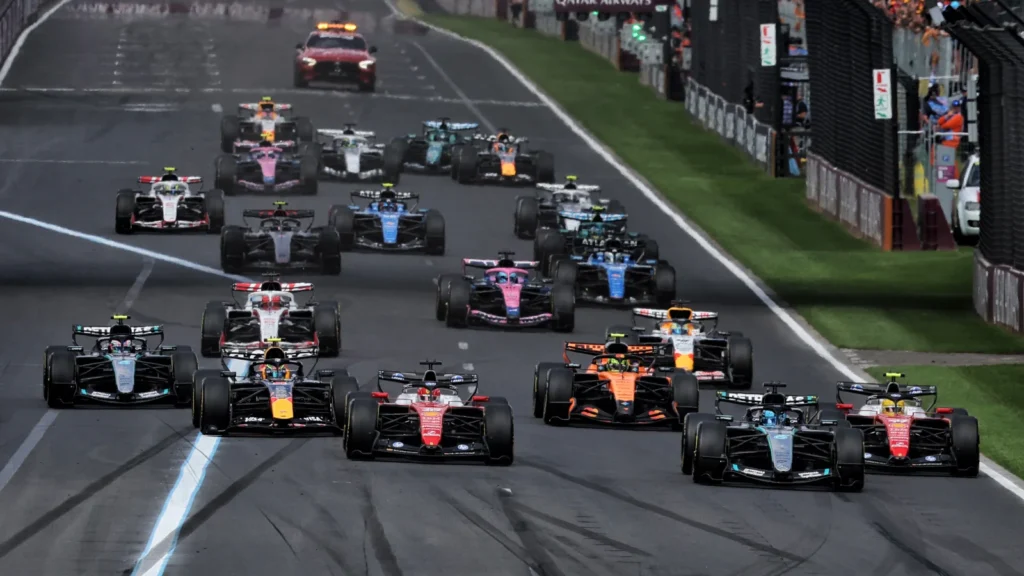
Red Bull, McLaren and Aston Martin are all bringing significant updates to Miami. The gap will narrow, as it always does in a new regulatory cycle. By the second half of the season, the performance hierarchy should look more representative.
But smaller gaps are not the same as a different leader. Mercedes started 2014 with a structural advantage and held it for seven years. The question is not whether rivals will close, they will. The question is whether they can close fast enough before the points gap becomes insurmountable.
The verdict
Mercedes will be lucky in 2026. They invested in the right technology, interpreted the regulations correctly, and are now collecting the reward while rivals complain to the media and TV cameras.
The FIA’s April tweaks will improve the racing. They will not change who built the best car for this era. Until Verstappen, Norris and Alonso are winning again, the criticism will keep coming.
But criticism is not analysis. In Formula 1, the only opinion that ultimately counts is the one printed on the timing sheet.