Motorsport Week
  • Formula 1
    • 2026 Formula 1 Calendar
    • 2025 Formula 1 Standings
  • Formula E
    • 2026 Formula E Calendar
    • 2025 Formula E Standings
  • IndyCar
    • 2026 IndyCar Calendar
    • 2025 IndyCar Standings
  • WRC
    • 2025 WRC Standings
    • 2026 WRC Calendar
  • MotoGP
    • 2025 MotoGP Calendar
    • 2025 MotoGP Standings
    • Moto2
    • Moto3
  • WEC
    • 2026 WEC Calendar
  • IMSA
    • 2025 IMSA Calendar
  • World SBK
  • More
    • Formula 2
    • Formula 3
    • F1 Academy
    • Moto2
    • Moto3
    • World Superbikes
    • Technical Insight
    • Galleries
    • About/Contact
    • Privacy Policy
No Result
View All Result
  • Formula 1
    • 2026 Formula 1 Calendar
    • 2025 Formula 1 Standings
  • Formula E
    • 2026 Formula E Calendar
    • 2025 Formula E Standings
  • IndyCar
    • 2026 IndyCar Calendar
    • 2025 IndyCar Standings
  • WRC
    • 2025 WRC Standings
    • 2026 WRC Calendar
  • MotoGP
    • 2025 MotoGP Calendar
    • 2025 MotoGP Standings
    • Moto2
    • Moto3
  • WEC
    • 2026 WEC Calendar
  • IMSA
    • 2025 IMSA Calendar
  • World SBK
  • More
    • Formula 2
    • Formula 3
    • F1 Academy
    • Moto2
    • Moto3
    • World Superbikes
    • Technical Insight
    • Galleries
    • About/Contact
    • Privacy Policy
No Result
View All Result
Motorsport Week
Home Single Seater Formula 1

F1’s ‘refinements’ explained: The changes made to radical 2026 regulations?

byTiana Soans
6 hours ago
A A
Formula 1 2026 regulation changes as confirmed by the FIA

F1 regulatory changes have been made, but how will they fix the problems?

Share on FacebookShare on Twitter

The FIA has officially confirmed changes to the controversial 2026 Formula 1 regulations, but will they actually change anything?

Since the season began, the new regulation changes have been a topic of contention throughout the F1 community.

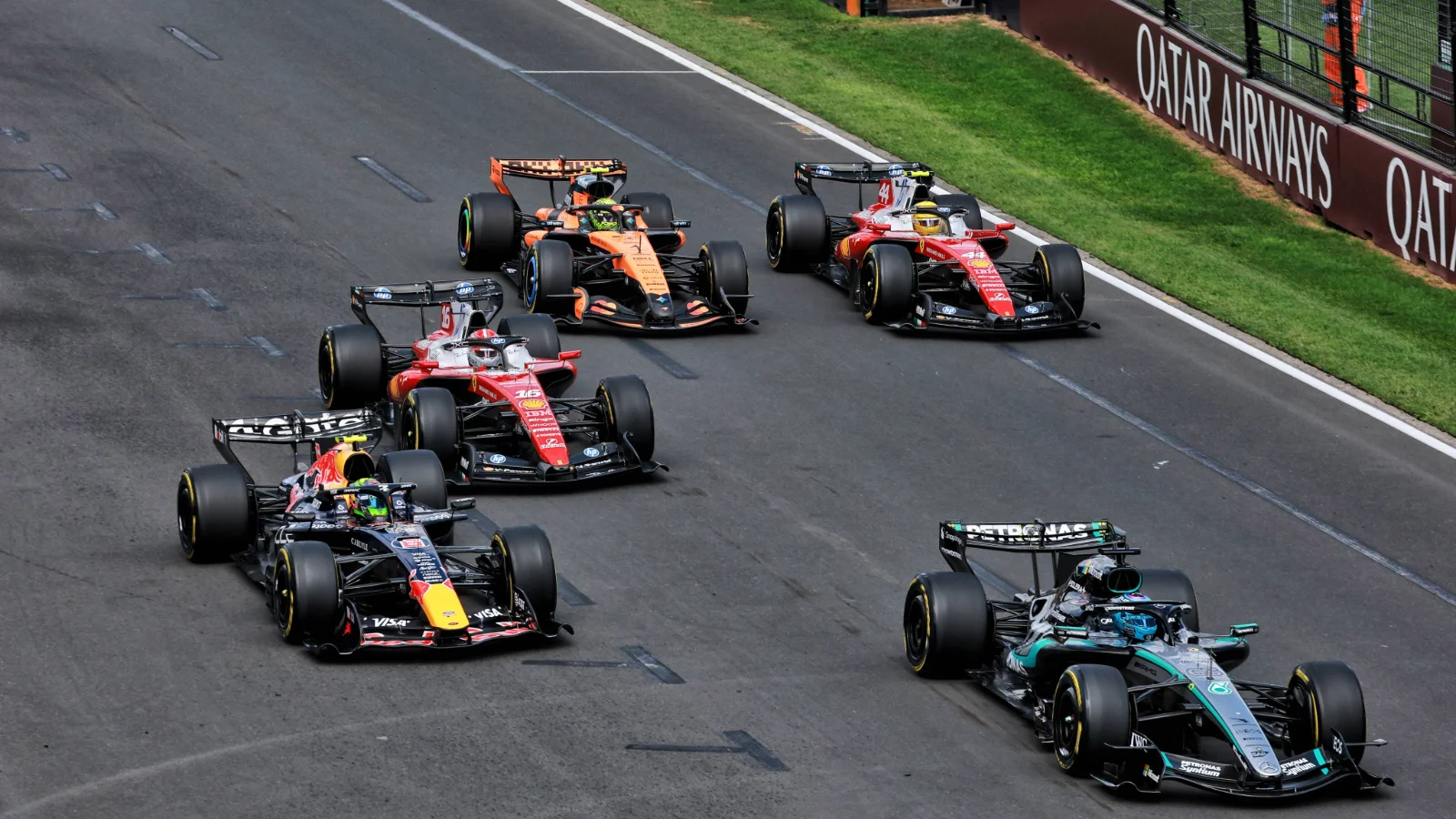
Conversations intensified following the Japanese Grand Prix, which saw Ollie Bearman experience a 50G crash due to ‘Super Clipping.’

Ultimately, FIA confirmed they would review the rules during the prolonged break.
RelatedPosts

Palmer names Charles Leclerc as potential F1 Max Verstappen replacement

F1 pundit backs controversial choice for Max Verstappen replacement at Red Bull

60 minutes ago
Martin Brundle recalls ‘harsh’ firing that ended F1 career

Martin Brundle recalls ‘harsh’ firing that ended F1 career

7 hours ago

Following a meeting on Monday, April 20th, between the FIA, Team Principals, Chief Executives of power unit manufacturers and FOM, the rule changes were officially confirmed.

The final rule changes were presented during a virtual meeting to all parties. These proposed changes were the result of consultations between the FIA and technical representatives.

Additionally, they featured extensive input from F1 drivers and extensive data from the first three races of the season.

What are the Qualifying and Grand Prix rule changes?

The qualifying rule changes focus strongly on improving the session’s flow and promoting performance gains throughout each session.

Thus, the FIA have made adjustments to energy management parameters. This includes reducing the maximum permitted recharge from 8MJ to 7MJ. This change is aimed at reducing excessive energy harvesting, encouraging drivers to use their battery flat-out more often. This change targets a maximum superclip duration of approximately two to four seconds per lap.

Meanwhile, peak superclip power has increased to 350kW from it’s previous 250kW. Once more reducing recharging and energy management for drivers throughout a qualifying lap.

The number of events where alternative lower energy limits may apply has also been increased from eight to 12 races. This allows drivers to have a greater adaptation to circuit characteristics.

A number of refinements to the 2026 FIA Formula One World Championship regulations were agreed today during an online meeting between the FIA, Team Principals, CEOs of Power Unit Manufacturers and FOM 👇#FIA #F1https://t.co/uNuH178yCI

— FIA (@fia) April 20, 2026

Meanwhile, the Grand Prix rule changes are instead focused on improving Driver safety and a much more consistent performance throughout the race.

Throughout each race, the maximum power available through the Boost is now capped at +150 kW, “or the car’s current power level at activation if higher”. This aims to limit sudden performance differentials between drivers on track.

Additionally, MGU-K deployment is maintained at 350 kW in key acceleration zones, from corner exit to braking point, but will be limited to 250 kW in other parts of the lap.

These changes hope to reduce excessive closing speeds while maintaining overtaking opportunities. Thus avoiding yet another high speed crash similar to Bearman’s in Suzuka.

Race start and Wet Weather changes

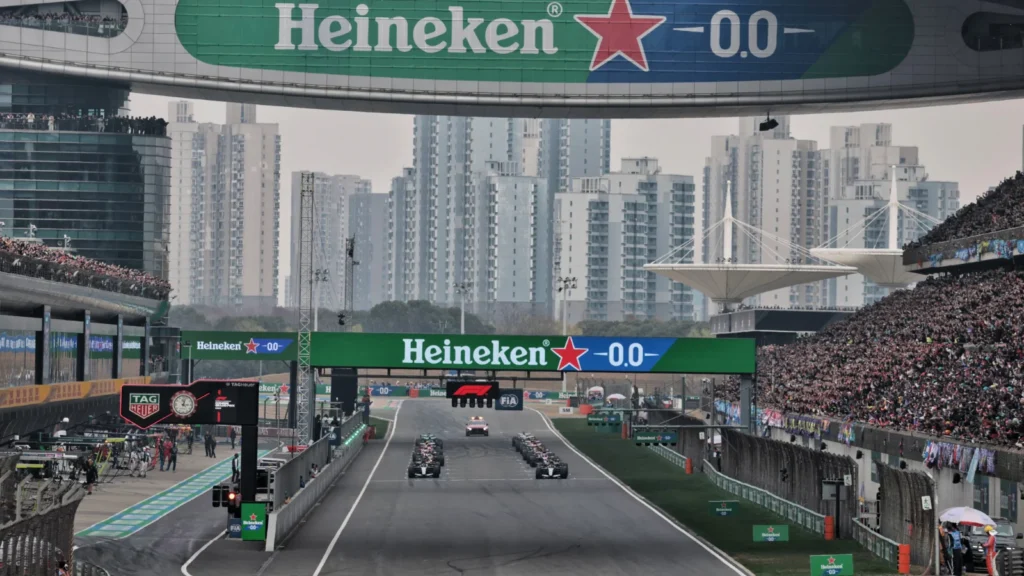
Race starts have also been a key area where safety concerns are apparent, however, with Ferrari blocking previous attempts at changing the start procedure it seemed unlikely a change would be made.

The FIA has confirmed that further safety mechanisms will be tested in Miami and adopted following further feedback and analysis. This new ‘ low power start detection’ system has been developed to identify abnormally low acceleration in cars after clutch release.

If this were to happen, an automatic MGU-K deployment will be triggered, ensuring a “minimum level of acceleration” to “mitigate start-related risks without a competitive advantage.”

This is tied into a new visual warning system, which alerts drivers through flashing lights on the rear and sides of affected cars.

A reset of the energy counter at the start of a formation lap has also been implemented. In the hopes of correcting a system inconsistency that was previously identified.
Formula 1 2026 race start regulation changes as confirmed by the FIA
Proposed changes to F1 race starts could drastically improve safety measures

Additionally, drivers have put forward proposals to improve safety and visibility during wet races. Despite having no wet sessions so far this season, visibility has been an issue in previous seasons.

During wet races, tyre blanket temperatures for intermediate tyres have been increased. This will improve initial grip and tyre performance in the wet. Meanwhile, maximum ERS deployment will be reduced to limit torque and improve car control in low-grip conditions. 

The final change announced came down to rear light systems. They have been simplified and will now feature a clearer, more consistent visual cue for drivers. This will help visibility and reaction times for drivers when conditions are treacherous.

The changes will be in effect from F1’s next outing at May’s Miami Grand Prix.

READ MORE – FIA confirms ‘refinements’ to F1 regulations in major announcement
Tags: F1FIA
Share230Tweet144Share

Related Posts

Palmer names Charles Leclerc as potential F1 Max Verstappen replacement
Formula 1

F1 pundit backs controversial choice for Max Verstappen replacement at Red Bull

60 minutes ago
Martin Brundle recalls ‘harsh’ firing that ended F1 career
Formula 1

Martin Brundle recalls ‘harsh’ firing that ended F1 career

7 hours ago
Aston Martin has been labelled "embarrassing" by Karun Chandhok
Formula 1

Aston Martin labelled ’embarrassing’ by F1 pundit amid Team Principal speculation

8 hours ago
Load More

Discussion about this post

Upcoming Races

#.EventDate
18Singapore GP09-11 October
19United States GP23-25 October
20Mexico City GP30 October-01 November
21São Paulo GP06-08 November
22Las Vegas GP19-21 November

Click here for the full 2025 F1 calendar

Drivers’  Standings

#.DriverPts
George Russell51
Andrea Kimi Antonelli47
Charles Leclerc34
Lewis Hamilton33
Oliver Bearman17
Lando Norris15
Pierre Gasly9
Max Verstappen8
Liam Lawson8
Arvid Lindblad4

Click here for full Drivers’ Standings

Latest Articles

Palmer names Charles Leclerc as potential F1 Max Verstappen replacement
Formula 1

F1 pundit backs controversial choice for Max Verstappen replacement at Red Bull

April 21, 2026
Formula 1 2026 regulation changes as confirmed by the FIA
Formula 1

F1’s ‘refinements’ explained: The changes made to radical 2026 regulations?

April 21, 2026
Martin Brundle recalls ‘harsh’ firing that ended F1 career
Formula 1

Martin Brundle recalls ‘harsh’ firing that ended F1 career

April 21, 2026

Follow Motorsport Week

Join our daily motorsport newsletter

* indicates required

Motorsport Week

© 2024 Motorsport Media Services Ltd

Other Links

  • About & Contact
  • Privacy Policy
  • Motorsport Monday

Follow Us

No Result
View All Result
  • Login
  • Sign Up
  • Home
  • Formula 1
    • Latest News
    • 2025 F1 Calendar
    • 2025 F1 Championship Standings
  • Formula E
    • Latest News
    • 2025 FE Calendar
    • 2025 FE Championship Standings
  • MotoGP
    • Latest News
    • 2025 MotoGP Calendar
    • 2025 MotoGP Standings
    • Moto2
    • Moto3
    • World Superbikes
  • WRC
    • Latest News
    • 2026 WRC Calendar
    • 2025 WRC Standings
  • IndyCar
    • Latest News
    • 2026 IndyCar Calendar
    • 2025 IndyCar Standings
  • WEC
    • Latest News
    • 2026 WEC Calendar
  • Live Updates
  • Other
    • IMSA
    • Formula 2
    • Formula 3
    • F1 Academy
    • Moto2
    • Moto3
    • World Superbikes
  • Galleries
  • About/Contact
  • Privacy Policy

© 2024 Motorsport Media Services Ltd