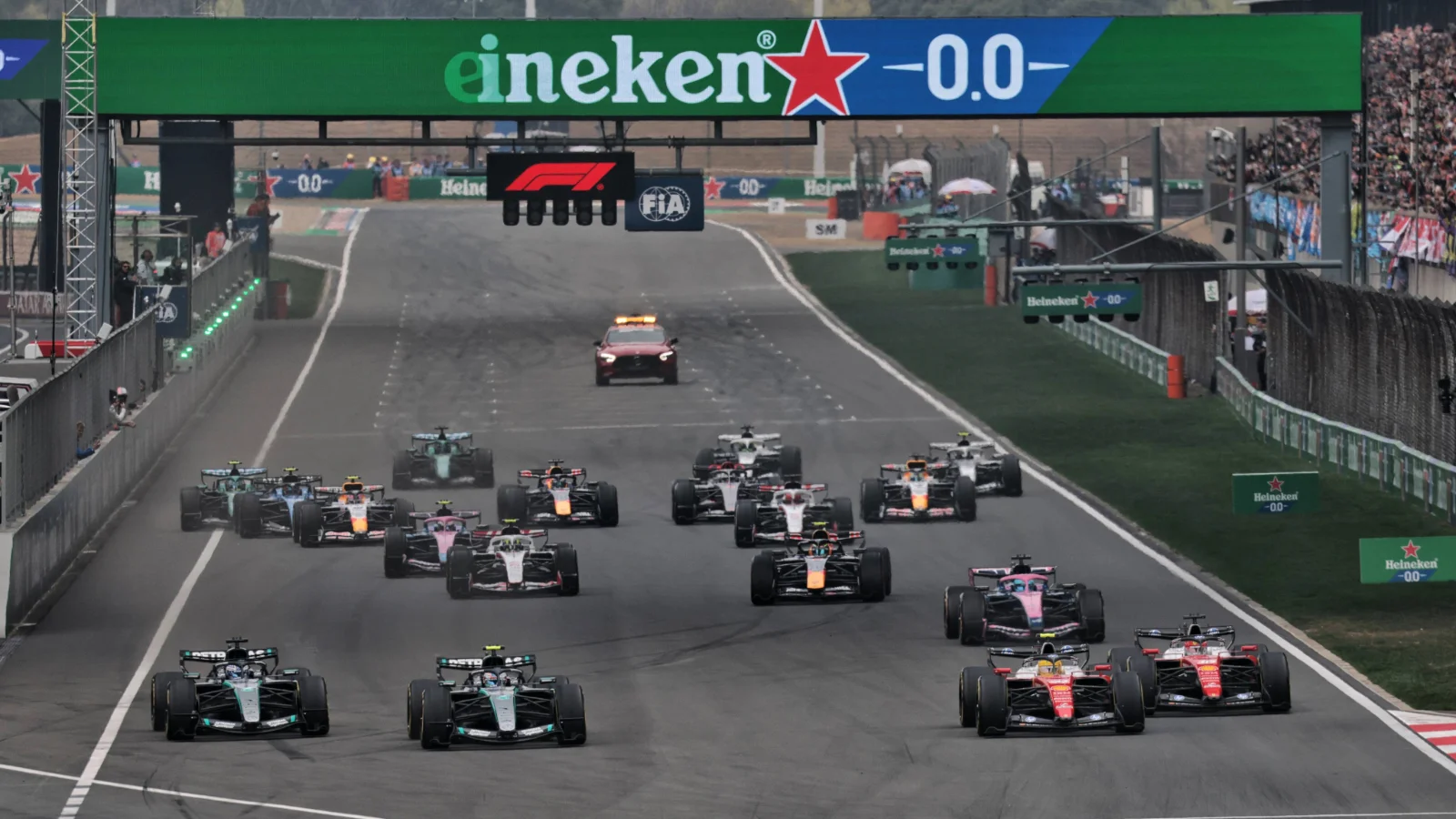
With an unexpected Spring break in the season due to the cancellations of the Bahrain and Saudi Arabia Grand Prix, it is a suitable time to take stock of the racing we have currently seen.
The biggest revamp of rules and regulations in the history of the sport left fans, teams, and drivers alike uncertain as to how the racing would look once the lights went out in Melbourne.
After three grands prix (plus a sprint race in China), the protagonists on the track and all those off it are largely split. The rules have divided fans across the world. On the track, a fresh style of racing has evolved with more overtaking action with the extra buttons the drivers have at their disposal.
But while the rule makers continue to tweak the rules, primarily in the name of safety after Oliver Bearman’s huge 50G shunt in Japan when he was forced to take evasive action to avoid Franco Colapinto’s downshifting Alpine, the racing still largely comes down to fine margins, as also witnessed in Japan with the timing of the safety car playing right into the hands of race winner, Kimi Antonelli.

The Italian’s win allowed him to build on his victory in China and in doing so, he became the youngest driver ever to lead a world championship. Despite the enforced break, Antonelli will be looking to take all the momentum possible into Miami to extend his lead at the top.
Luck has always played a pivotal role in determining races, but what are some of the main takeaways from the first three races of this new era of racing?
Pain before gain
Before the lights even went out in Melbourne, the sight of local hero Oscar Piastri losing control of his car and crashing out on the lap to the grid gave the Formula 1 world an immediate insight into how tricky these new cars are to drive. Nico Hülkenberg would also not make the start. But it was an uncharacteristic error from the Australian and he would endure more pain just a week later.
There was more bad luck for Piastri in China as an electrical issue resulted in his car being pulled from the grid shortly before the race start. Teammate Lando Norris would also register his first DNS. With Gabriel Bortoleto and Alex Albon also reporting issues, only 18 drivers started the race.
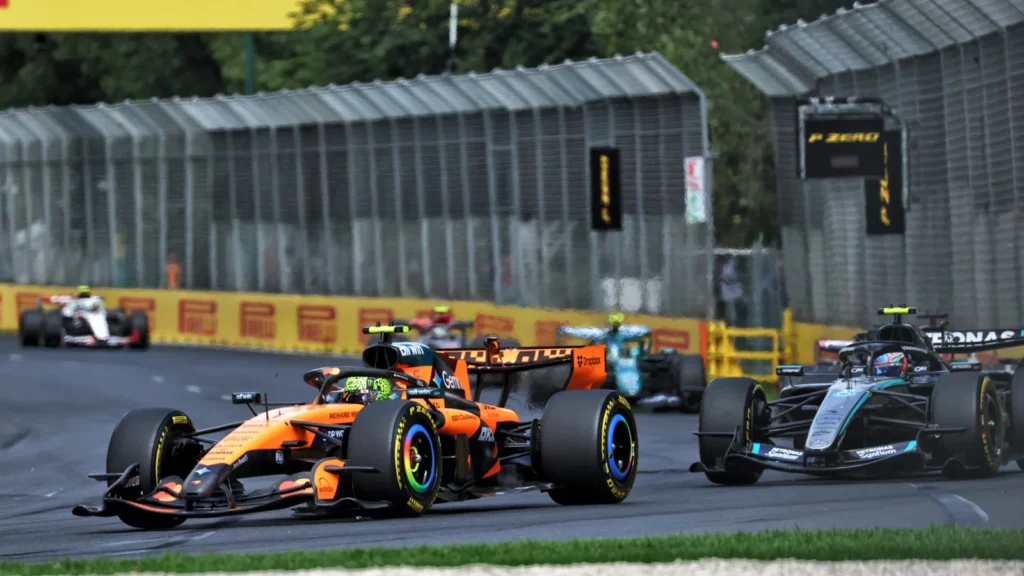
As a result of the dropouts in Australia and China, empty grid spots completely changed the outlook at the start of both races, with the fast-starting Ferraris benefiting from an entire empty row behind them. In Melbourne, Lewis Hamilton had a clear run from 7th with a Piastri-less grid box in front of him at the start.
Luckily, the trend of cars not starting the race was halted in Japan, which came as a relief to everyone involved in the sport. For some drivers and constructors, namely Piastri and those struggling at the back of the grid, it has been a case of pain before gain as the Formula 1 world attempts feverishly to digest the new regulations and extract as much speed as possible. Miami will be another mini venture into the unknown.
Mercedes a step above the rest
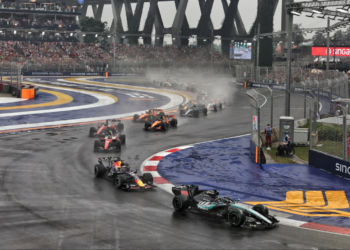
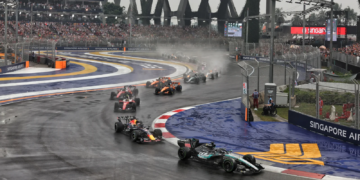
With varying levels of performance displayed by teams up and down the grid, one constant so far this season is the searing pace of the Mercedes AMG Petronas rocket ship. It is 2-1 to Antonelli so far, with George Russell taking the Sprint win.
But with both drivers seemingly evenly matched in the same equipment, the Formula 1 winner odds pendulum could constantly swing between the two, with qualifying playing an even bigger role with the fast-starting Ferraris. And there is also the potential for reliability issues.
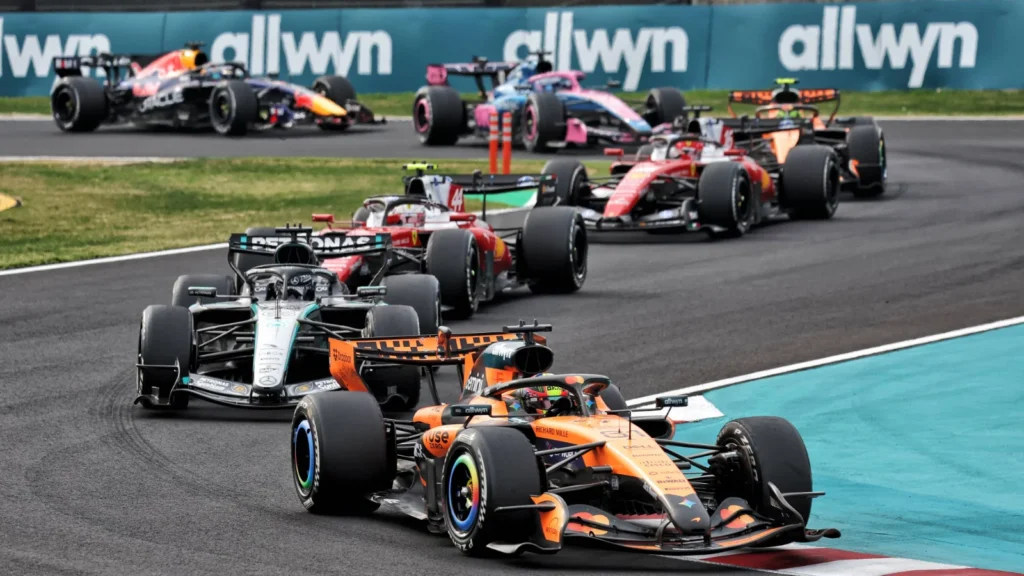
We will never know if Russell would have picked up victory in Japan had he pitted a lap later before the safety car came out, but a resurgent Piastri was also in the mix. In a sport of fine margins, there are still plenty of variables to change the complexion of a race in an instant. What we do know right now is that on pace, the Mercedes is a step above the rest of the pack.
Who can adapt quickest?
While constructors and drivers strive for consistency with their new vehicles, the team that adapts quickest to any potential tweaks in the regulations could steal a big advantage. As we alluded to earlier, safety is the first port of call for any changes.
But once the FIA start making performance-related adjustments, we could see a small shuffling of the current pecking order. There is still a long way to go this season. Plenty of time for momentum to be built, mistakes to be made, and moments of fortune to be capitalised on.
Bring on Miami…