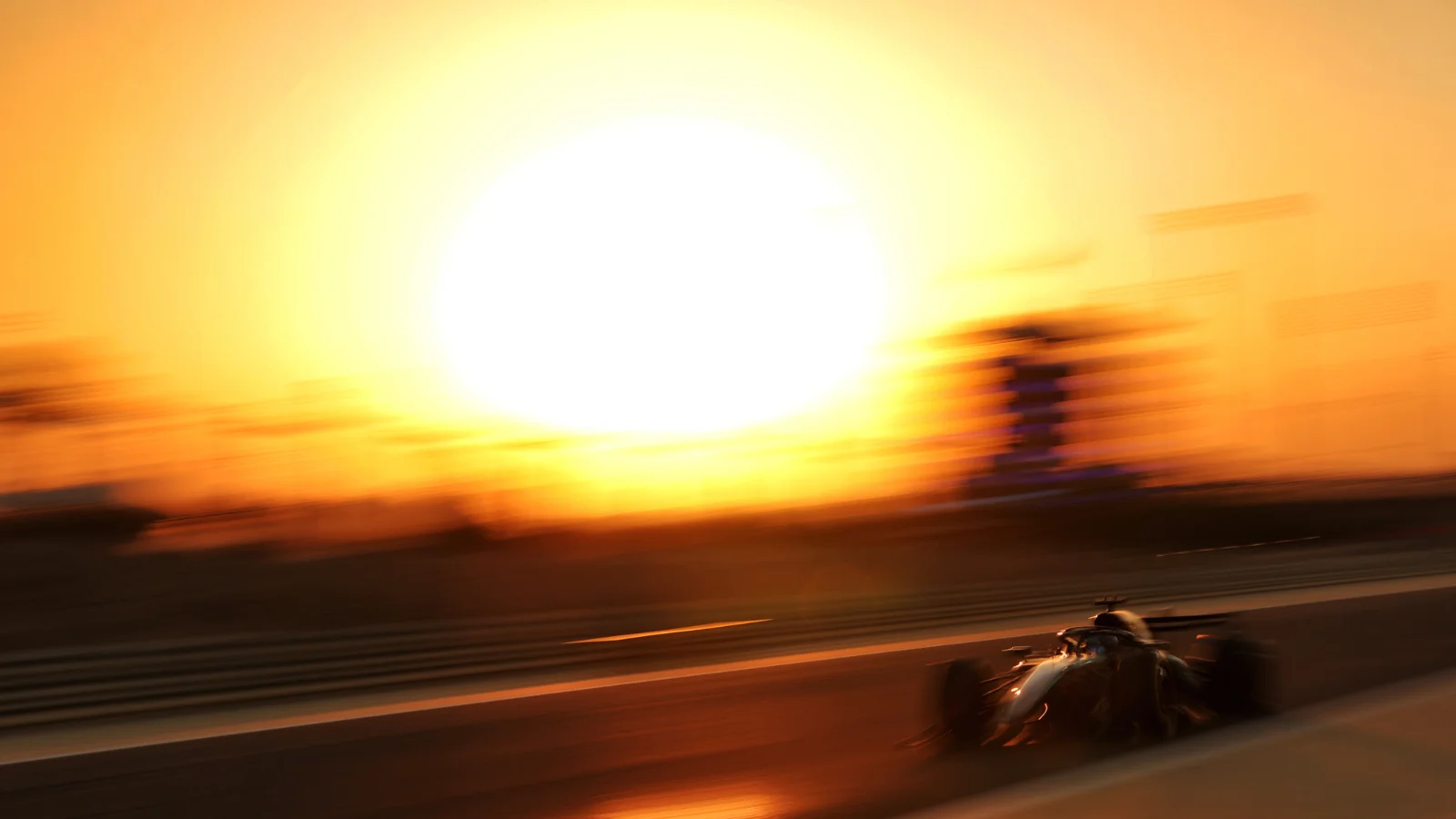
Formula 1decided the rulebook was getting a little too predictable, so they essentially tossed the entire thing into an industrial shredder.
This article looks at the wild new technical regulations dropping at the Australian Grand Prix and why predicting the weekend podium is an absolute nightmare.
The winter break is officially over, and the grid heading down to Melbourne looks entirely different from the one that packed up in Abu Dhabi last year. The FIA forced a massive technical reset for 2026, creating a ridiculous scenario where nobody actually knows who built a rocket ship and who accidentally built a tractor.
The cars are physically smaller, the aerodynamic philosophy is completely flipped and the power units are demanding a wildly unnatural driving style.

For the hardcore data nerds trying to figure out the actual pecking order, looking at last year’s telematics is a complete waste of time. The historical data means absolutely nothing right now.
Getting a read on the market requires a totally fresh approach, and pulling up reliable Sports Betting Insights, Tips & Stats is the only logical way to navigate the absolute chaos of the season opener. If a fan walks into this weekend expecting a standard, predictable race, they are going to get completely burned.
The death of the MGU-H
The biggest headache for the engineering departments over the winter was the engine overhaul. The complex, incredibly expensive MGU-H component is officially dead and buried. Instead, the 2026 power units rely on a brutal 50-50 split between a heavily restricted internal combustion engine and a massively upgraded electrical system.
This drastically alters how a lap is driven. Energy harvesting is now the absolute most critical part of the entire race. Drivers are being forced to adopt extreme lift-and-coast techniques just to keep the battery charged.
If a driver depletes their electrical deployment halfway down a straight, the car will literally feel like it threw an anchor out the back. Managing that energy delta while fighting wheel-to-wheel into a heavy braking zone is going to cause some massive embarrassments this weekend.
You simply cannot muscle the car around the track anymore; you have to treat the battery like a fragile glass cup.
Turbo lag makes a comeback
Because the MGU-H is gone, the turbocharger no longer gets artificial, electrical help spooling up to speed. That means the sport has officially welcomed back turbo lag, a physics problem the paddock has not really seen since the prehistoric days of the sport.
When a driver stomps on the throttle exiting a slow corner, there is a tangible, frustrating delay before the power actually kicks in.
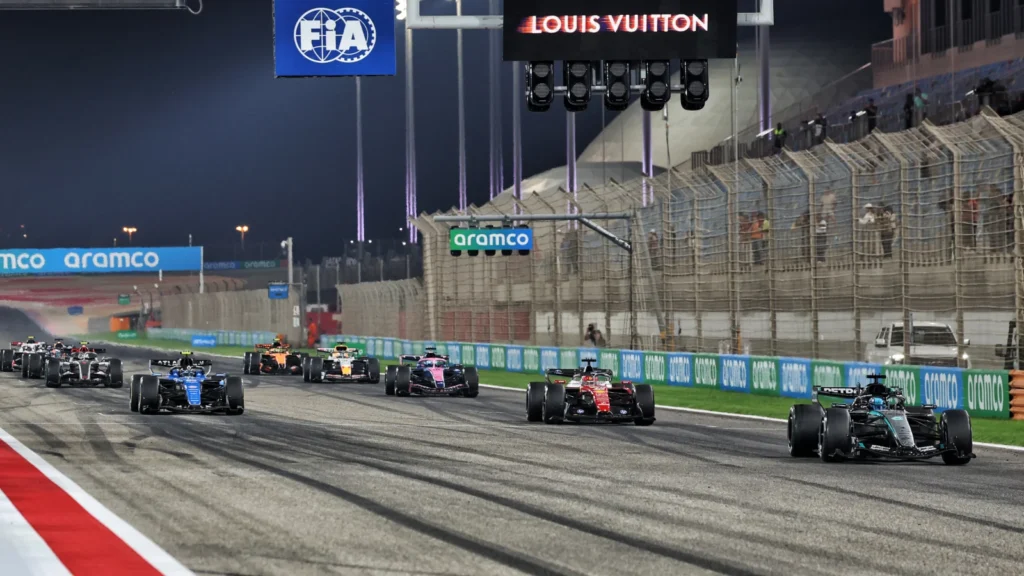
To combat this annoying quirk, drivers are deliberately taking weird, unnatural lines through corners just to keep the engine revs pinned near the redline. The craziest impact of this tech change is happening right at the starting grid.
The FIA had to introduce a bizarre five-second warning before the lights go out, giving the grid enough time to manually rev their engines and spool the turbos. Expect the first lap at Albert Park to feature some absolutely terrible launches and massive position changes before Turn 1.
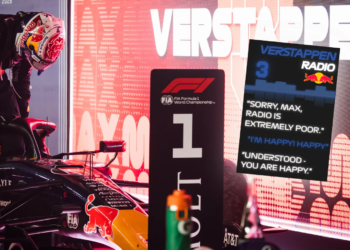
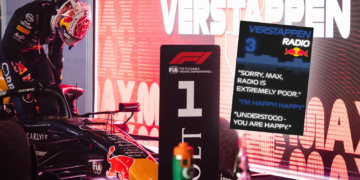
For a deeper dive into the specific team drama heading into the weekend (including Will Buxton’s comments on Verstappen), catching up on the latest provides some great context on who is already complaining loudly about the new start procedures.
Goodbye DRS, hello manual override
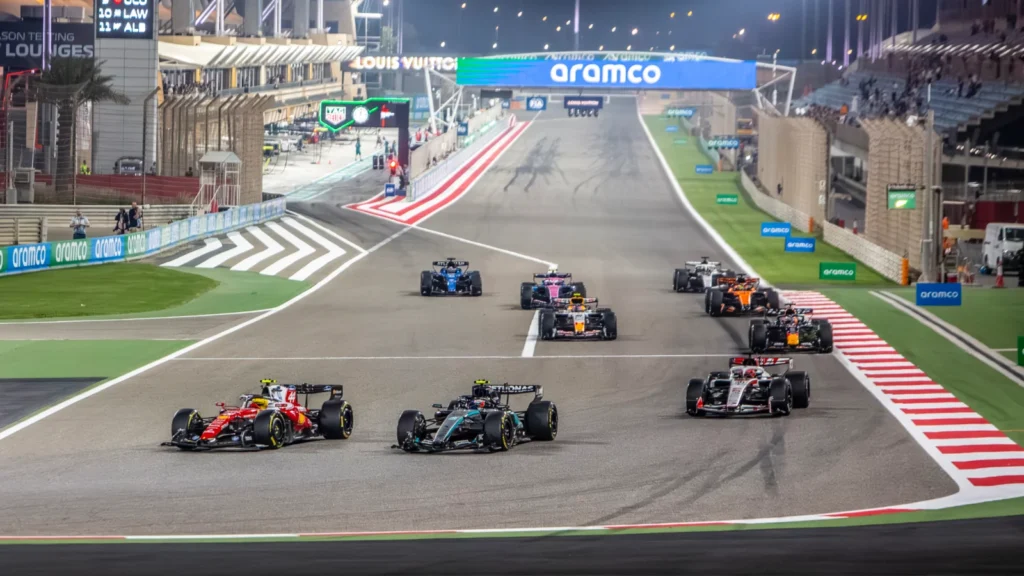
The Drag Reduction System (DRS) has been the crutch of modern Formula 1 for fifteen years, and now it is completely gone. Instead, the 2026 grid features active aerodynamics where both the front and rear wings open up on the straights to reduce drag, regardless of how close you are to the car ahead.
To actually facilitate passing, the sport introduced a “Manual Override” electrical boost. If a trailing car stays within one second at the detection point, they get an extra injection of electrical energy to deploy anywhere on the following lap.
It turns overtaking from a predictable, boring highway pass into a heavily strategic game of cat and mouse. A driver can hoard their electrical boost to attack out of a strange corner, but they immediately have to harvest that energy back, leaving them incredibly vulnerable on the next lap.
Lando Norris already warned the media that the racing might look like a ridiculous yo-yo effect, with cars constantly snapping back and forth.
The opaque pecking order
Testing in Bahrain provided a few clues, but the true pace is heavily disguised by sandbagging. Ferrari looked terrifyingly fast with a weird inverted rear-wing concept, while Mercedes quietly logged a ridiculous amount of mileage without ever showing their actual hand.
McLaren, defending a title, looked unusually conservative and Red Bull remains a massive wildcard as Max Verstappen tries to adapt his aggressive downshifting style to the new energy recovery limits.
Throwing cash at a weekend prediction right now requires accepting a massive amount of variance. The teams are going to be fighting their own steering wheels just as much as they fight each other. Trusting the practice session long-run data and ignoring the useless, glory-run qualifying simulations is the smartest survival strategy for the first race of this entirely unhinged new era.
The opening race of a totally fresh regulation cycle is always a bloodbath. Engines will definitely fail, aero parts will randomly snap off and at least three drivers will complain about the battery management software over the team radio.
Keep expectations grounded, watch how the energy harvesting plays out in real-time and enjoy the absolute unpredictability while it lasts. By round five, the engineers will have figured out the optimal math and the chaos will settle down. But for now, Albert Park is going to be the wild west.