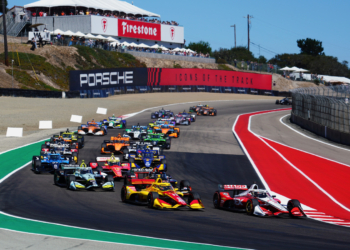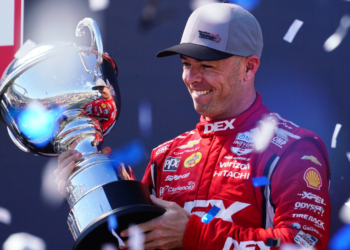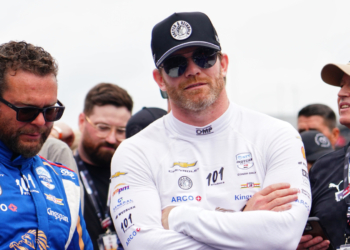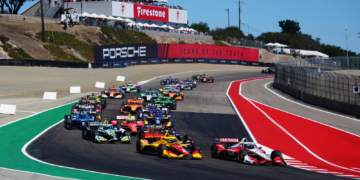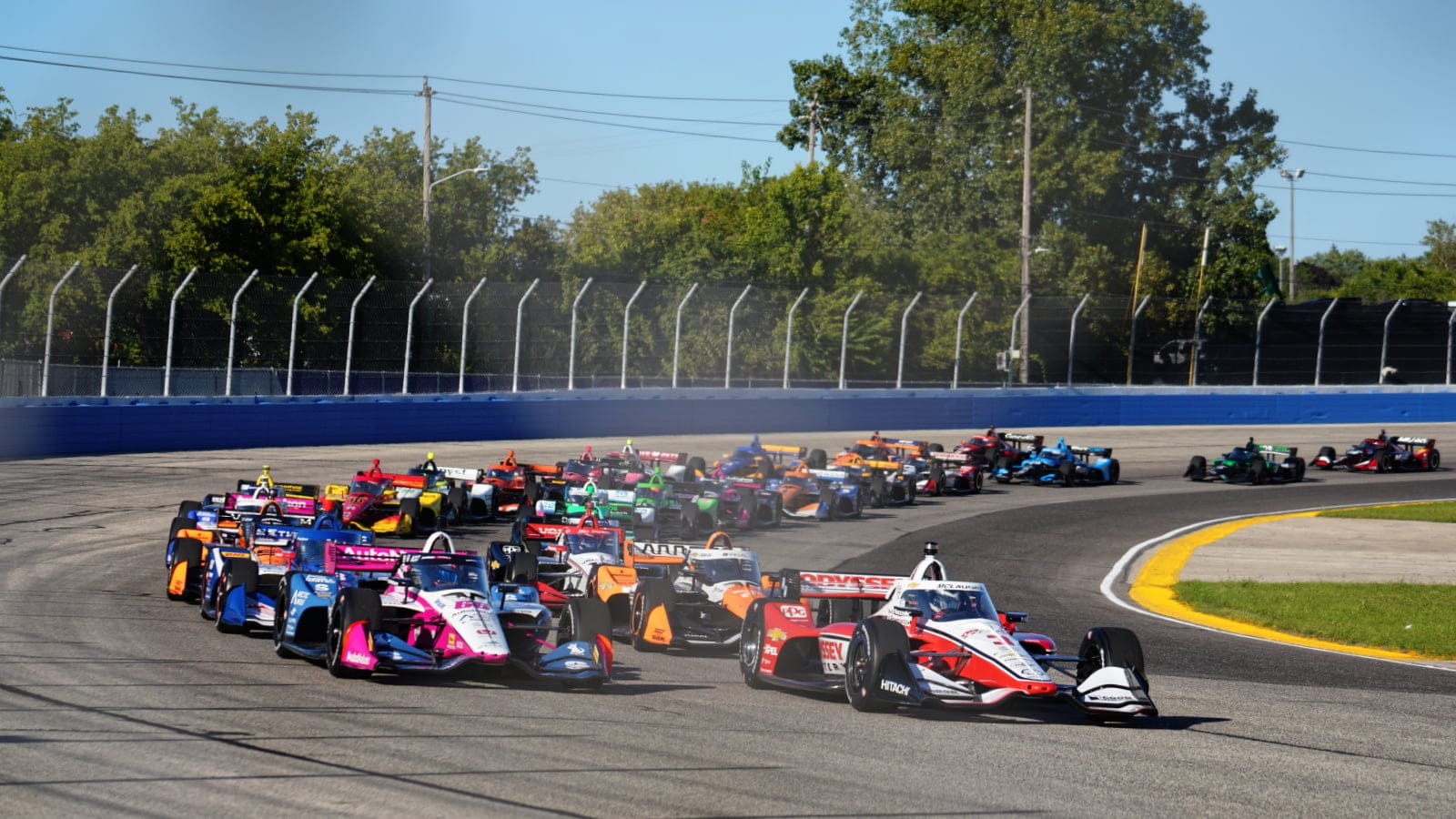
The NTT IndyCar Series championship battle just received a massive jolt of adrenaline. Recent race results have dramatically compressed the standings, setting the stage for a final stretch as unpredictable as a wet weather restart.
Fans seeking this level of high-stakes excitement beyond the track often explore premium entertainment platforms. For those who appreciate the strategic gamble and rapid-fire action of racing, the curated experience at LuckyHills real money casino captures a similar thrill. Now, with only a handful of events remaining, every point becomes a precious commodity, turning each lap into a calculated risk.
Key facts: The IndyCar championship standoff
The numbers behind this season’s title fight reveal a story of intense competition and razor-thin margins:
- After the most recent race, the gap from first to third in the standings shrank to just 44 points — the closest three-way battle at this stage since 2020.
- The championship leader has changed four times in the last six races, demonstrating unprecedented volatility at the top.
- An average of 7.3 drivers have finished on the lead lap per race this season, a record-high number indicating extreme field parity.
- With four races left, a maximum of 216 points remain available, making every position critical.
- The series projects that by 2026, the introduction of the new hybrid power unit will increase horsepower by over 10%, further intensifying the on-track product.
- The current points leader has only one win this season, proving consistency often trumps outright victory in this era.
- Since 2010, the driver leading the championship with four races to go has won the title only 60% of the time.
Consistency beats flashes of brilliance
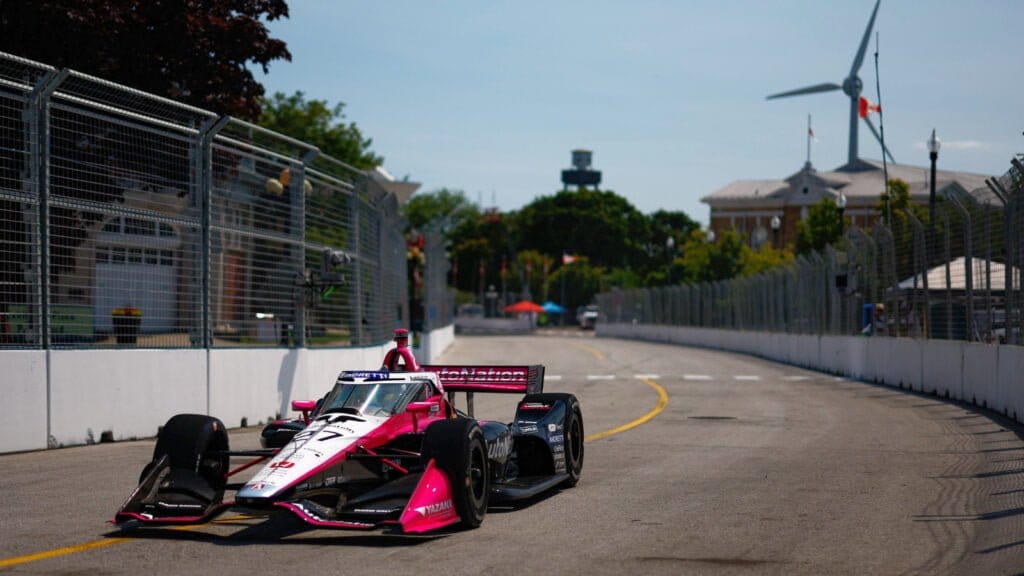
This season underscores a fundamental truth in modern IndyCar racing: relentless consistency wins championships. While spectacular wins grab headlines, scoring solid points every weekend builds an insurmountable foundation. It’s a marathon, not a sprint.

Just as a driver must carefully manage their push-to-pass allotment and tyre strategy, long-term success in any high-stakes environment involves managing resources and avoiding catastrophic mistakes rather than chasing a single, fleeting result.
The pressure cooker of the final stretch
The psychological warfare now begins. As the calendar dwindles, every decision gets magnified. Team radio communications become tighter, pit stop strategies more conservative, and on-track moves more measured. The pressure can crack even the most experienced competitors.
The final laps of a race, where fortunes can change in a corner, deliver a pure adrenaline rush. The sustained tension is what binds motorsport fans and strategic gaming enthusiasts alike.
Engineering: The silent title contender
While drivers duel on track, the real championship battle often unfolds in the engineering office and the wind tunnel. A minor aerodynamic tweak or a perfect fuel calculation can yield the extra tenths per lap that separate victory from fifth place.
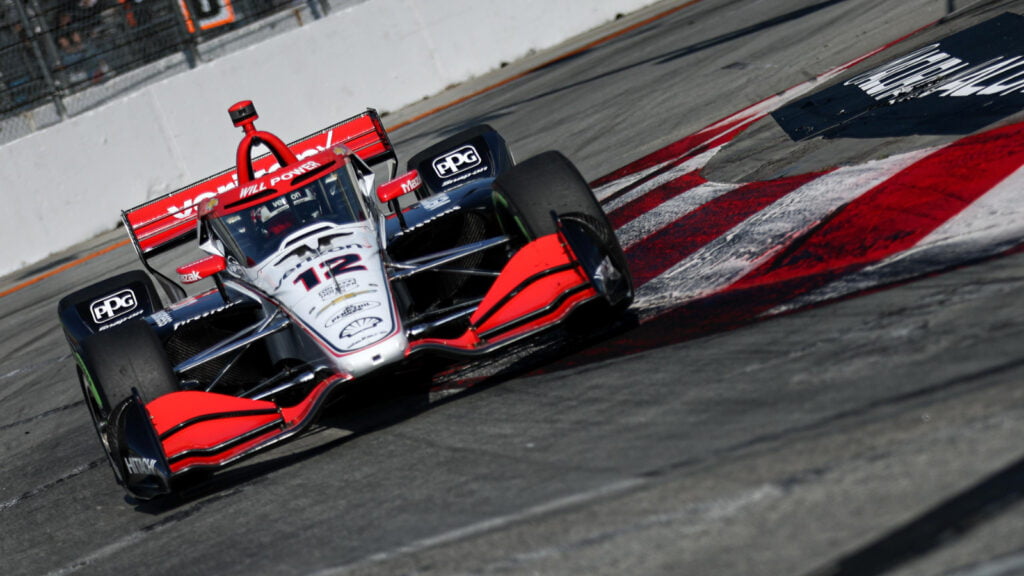
This relentless pursuit of marginal gains is a core tenet of motorsport. Teams analyse terabytes of data, searching for any legal advantage. The commitment to excellence is a shared trait across all competitive fields.
A global audience gripped by the drama
The tightening title fight has captured a global audience. Platforms like Motorsport Week provide 24/7 coverage, delivering instant analysis and deep dives into the technical and human stories behind the headlines.
This dedicated journalism is vital for fans who want more than just the finishing order. They seek to understand the strategy, the rivalries, and the engineering brilliance. The audience wants to feel connected to the core action.
The 2024 IndyCar Series is delivering a classic championship showdown. With multiple drivers in contention and no clear favourite, the final races promise uncompromising competition. The champion will be the one who best blends speed, strategy, and nerve under fire.