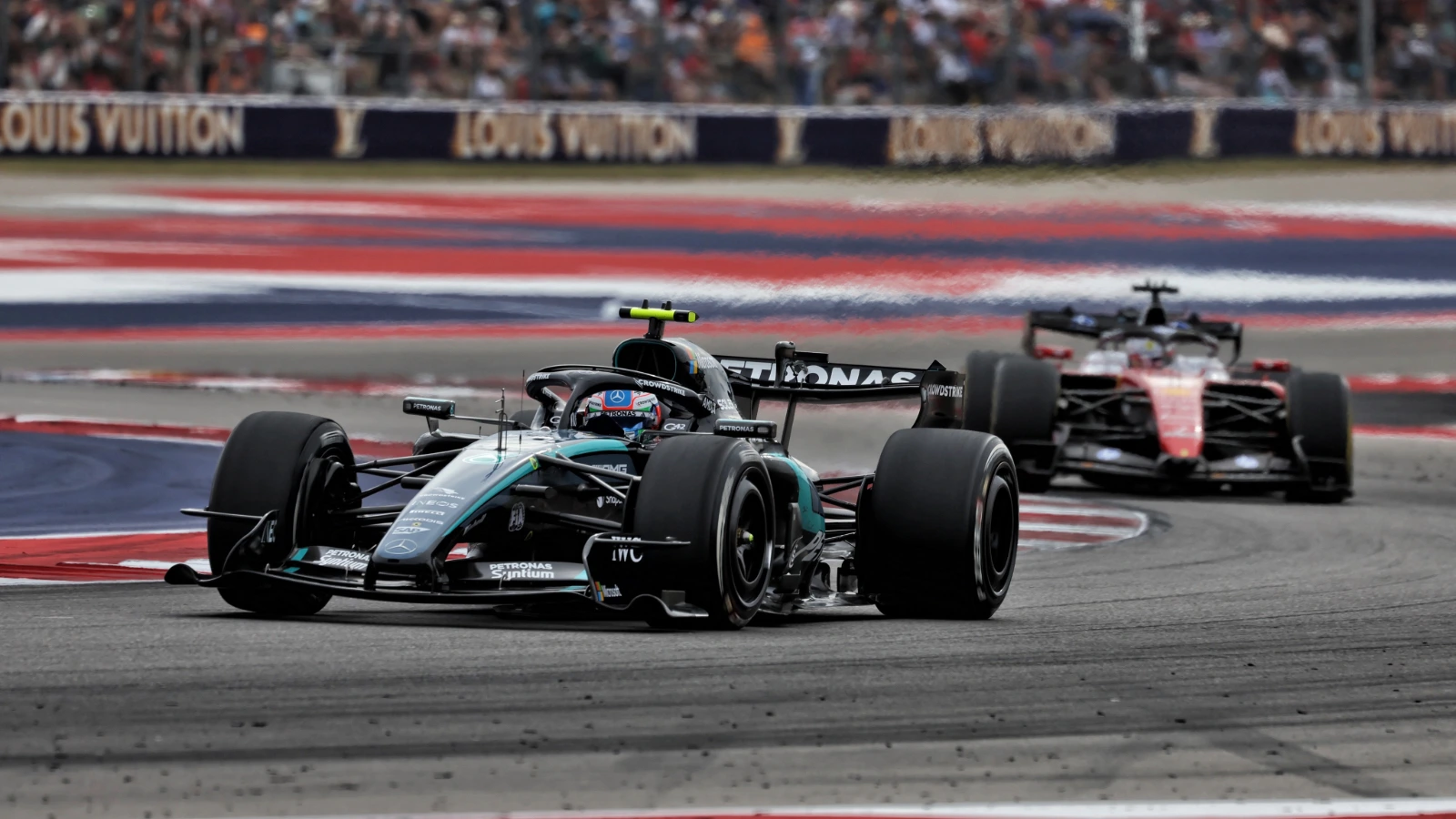
Formula 1’s return to 305km races in 2028 could change far more than the number of laps drivers complete. After a temporary reduction to 290km in 2027, teams will face longer races with power units that rely more heavily on internal combustion.
That combination introduces new questions about fuel loads, tyre degradation and the timing of pit stops. A strategy that works over 290km may become less effective when another 15km is added, particularly at circuits where tyre wear already dictates race pace. With combustion output expected to increase and fuel demands rising, the 2028 season could force engineers and strategists to reconsider how they approach an entire grand prix weekend.
Monaco remains the exception to the standard race distance
The historic Monaco Grand Prix remains exempt from the standard length, keeping its own minimum distance of 260km. That exception will continue when other circuits return to 305km in 2028, preserving one of Formula 1’s longest-standing differences between race formats. Monaco has historically required a different strategic approach because its narrow streets, limited overtaking opportunities and slower average speeds make track position especially important.
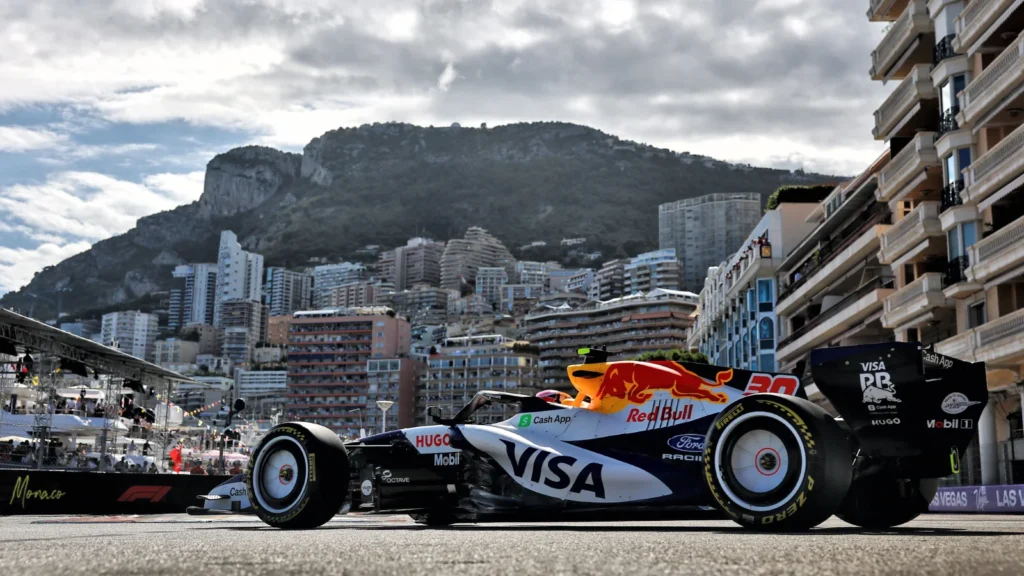
These characteristics have also influenced how gambling and prediction sites assess the event. Unlike circuits such as Silverstone or Spa-Francorchamps, where overtaking and tyre strategies can significantly change the running order, Monaco often places greater emphasis on qualifying performance and pit-stop timing. Sports betting markets have historically reflected these differences when assessing race winners, podium finishes and driver matchups.


The online sports betting odds will also reflect the distinction between Monaco’s unchanged distance model and the longer races returning elsewhere in 2028. While Monaco retains its established strategic characteristics, other circuits could see changing predictions as teams adjust to additional laps, higher fuel consumption and revised stopping patterns.
Why Formula 1 is shortening races for just one season
The 2027 reduction from 305km to 290km is designed to give teams more time to adapt to changes in hybrid power-unit performance. Removing approximately two or three laps at most circuits reduces the fuel required to complete a grand prix, helping engineers manage the transition without immediately redesigning chassis layouts and fuel tanks.
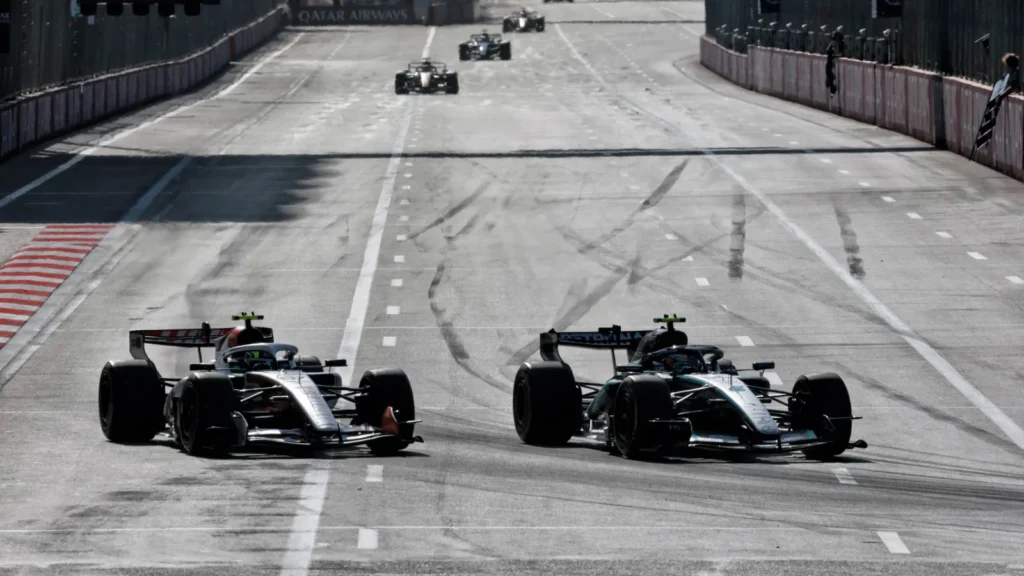
The adjustment follows a gradual change in how Formula 1 cars distribute power between their combustion engines and electrical systems. In 2026, the planned balance is 53% internal combustion and 47% electric power. That proportion shifts to 58/42 in 2027 before reaching 60/40 in 2028.
These figures matter because greater combustion reliance increases the amount of fuel required over a race distance. The temporary reduction gives manufacturers an intermediate season to assess consumption, cooling requirements and energy deployment under competitive conditions.
By restoring 305km in 2028, Formula 1 will effectively combine the traditional grand prix distance with a different power distribution. Teams will therefore need to prepare for longer running periods rather than simply carrying forward their 2027 calculations.
Longer distances could change the timing of pit stops
Adding 15km back to a grand prix creates new variables for pit-wall strategists, particularly at circuits where tyre degradation already limits stint length. A one-stop strategy that comfortably covers 290km might become less reliable over 305km if the additional laps push tyres beyond their most effective performance window.

The difference could be particularly noticeable at circuits such as Barcelona and Suzuka, where sustained cornering loads place considerable demands on tyre compounds. Teams will need to determine whether extending a stint costs more time than making an additional stop.
An earlier pit stop could help a driver undercut a rival by using fresh tyres to gain time before the competitor stops. Conversely, extending the opening stint could provide a tyre advantage during the closing laps.
The extra distance also increases the period during which safety cars, changing track temperatures and unexpected degradation can influence decisions. Strategists will need to account for these possibilities while maintaining enough flexibility to change their original plans during the race.
Higher fuel demand will influence race pace and tyre wear
Fuel management could become one of the defining strategic considerations of the 2028 season. With the internal combustion share reaching 60% and combustion output expected to approach 450kW, teams will have to account for higher fuel consumption across the restored 305km distance.
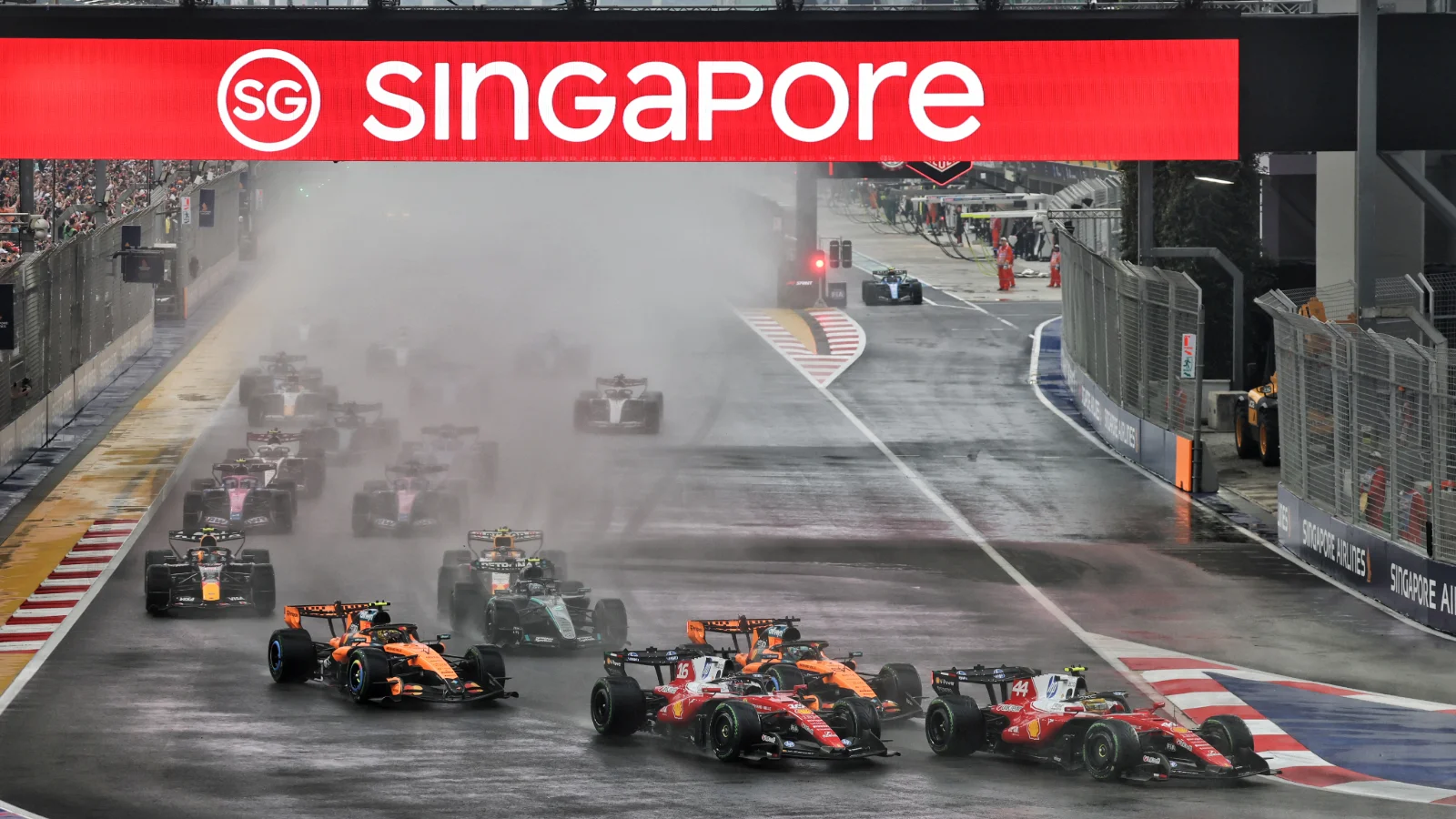
Starting fuel weight directly affects performance. A heavier car generally places greater demands on its tyres during braking, acceleration and cornering, potentially increasing degradation during the opening stint. Carrying additional fuel provides more flexibility later in the race, but it can also compromise early lap times.
Teams choosing a tighter fuel allocation may gain an initial weight advantage while leaving drivers with less freedom to push during the closing stages. Techniques such as lift-and-coast could become more prominent when consumption exceeds expectations.
The challenge will be balancing fuel efficiency against competitive pace. At circuits with long full-throttle sections, including Monza and Spa-Francorchamps, consumption calculations may have a particularly strong influence on race preparation.
Adaptable cars could give teams a strategic advantage in 2028
The return to full-distance racing may reward teams whose cars perform consistently across different fuel loads and tyre conditions. A car that maintains competitive lap times on worn tyres gives its strategists more freedom to extend stints, respond to rivals or capitalise on an unexpected safety car.
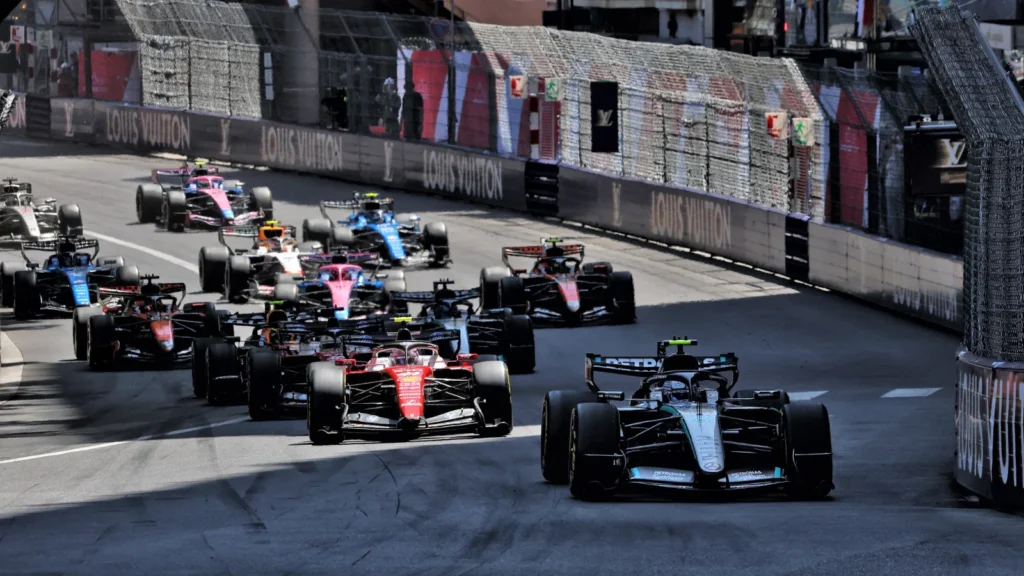
This flexibility could be especially important in the opening races of 2028, when teams will still be gathering information on how higher combustion output interacts with longer distances. Data collected during the shortened 2027 season will provide a useful starting point, but it will not fully reproduce the demands of another 15km.
Engineering departments will also need to reconsider setup compromises. Suspension characteristics, aerodynamic efficiency, cooling and tyre temperature management can all influence how effectively a car performs throughout a longer grand prix.
Teams that successfully connect these factors may have more strategic options than competitors relying on a narrow performance window. The advantage will not necessarily come from having the fastest car over one lap, but from maintaining competitive performance across several possible race strategies. Of course, betting sites will closely monitor this and adjust odds as teams show how effectively they can manage fuel consumption, tyre degradation and race strategies under the revised conditions.
Formula 1’s 2028 distance restoration may appear modest on paper, yet its interaction with higher fuel demand could reshape race preparation. Teams that adapt their fuel calculations, tyre management and pit-stop planning to the full 305km distance will be better positioned to respond when race conditions change.