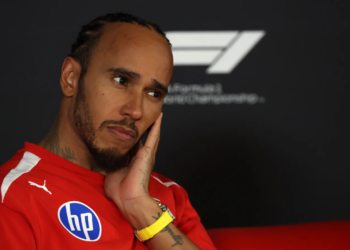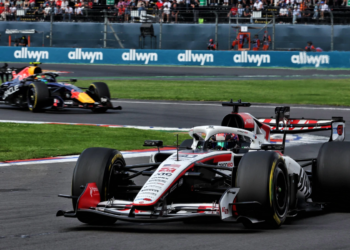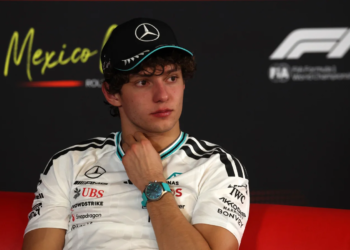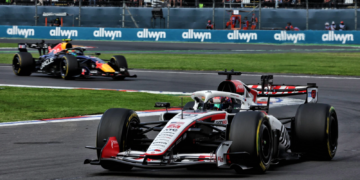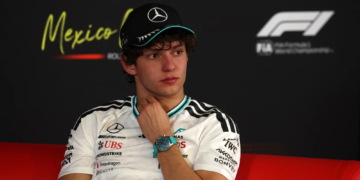
Fred Vasseur stood by the pit wall in Singapore and defended a strategy call that cost his team a podium. That single image, Ferrari’s principal shielding Lewis Hamilton from blame after a fruitless one-stop gamble is telling. It tells you more about the 2026 constructors’ fight than any single lap time. Points gaps that looked settled in August are moving again, and they are moving fast.
Three races from the chequered flag at this stage of the season, the gap between first and fourth in the constructors’ standings has been carved up by exactly the kind of small, compounding errors nobody plans for. A lockup here. A pit error there. One overcooked strategy call in Marina Bay.
This is not a story about who is fastest. It is a story about who is bleeding points slower than everyone else.
The numbers after Singapore tell a different story than the headlines
Max Verstappen’s win at the Marina Bay Street Circuit was the obvious headline. Red Bull snapped what had been a miserable run at that track, and it did more than settle one race. It dragged Verstappen up to fourth in the drivers’ standings and, by extension, pulled Red Bull back into a constructors’ conversation many had quietly written off after a shaky midseason.
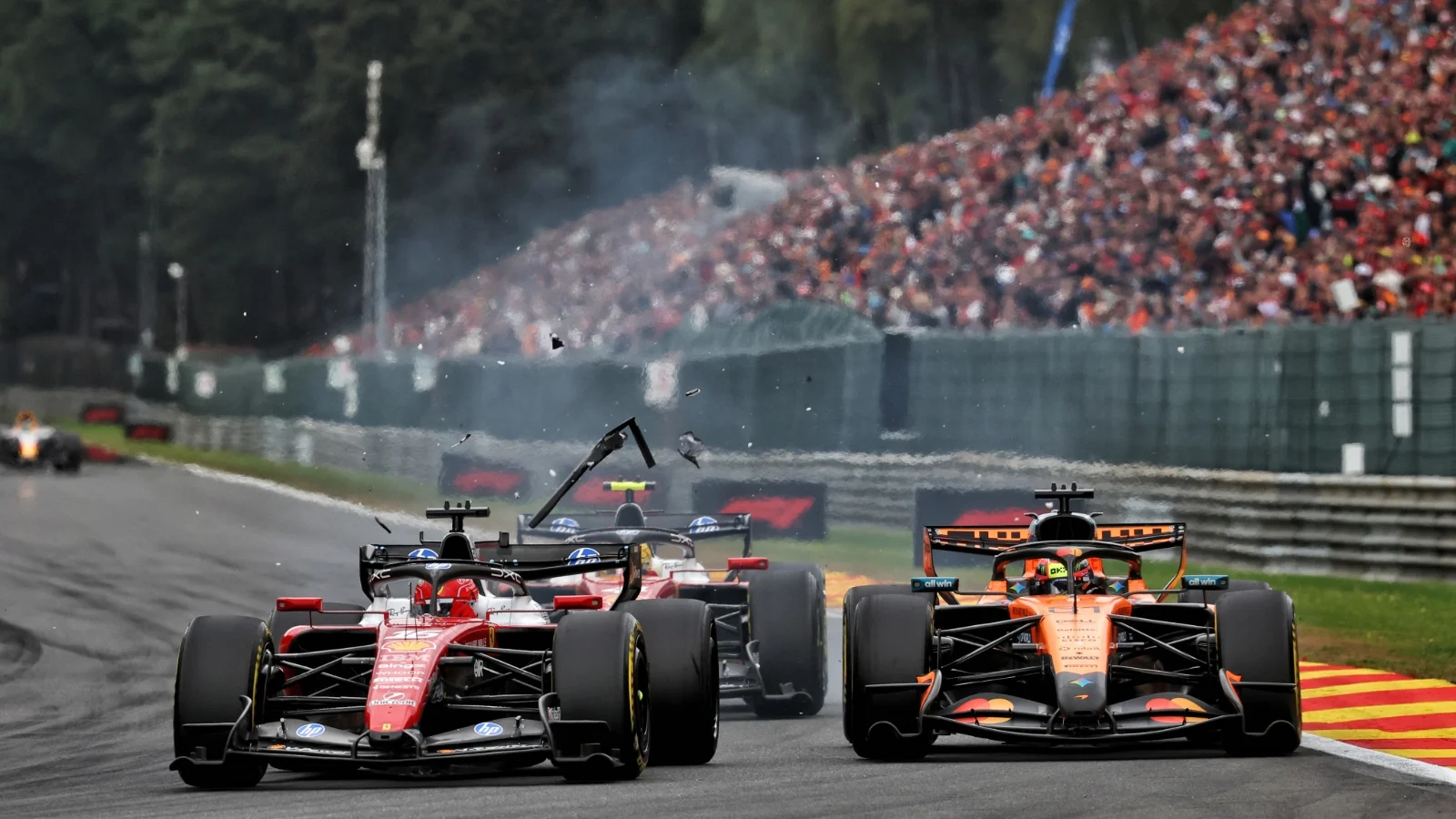
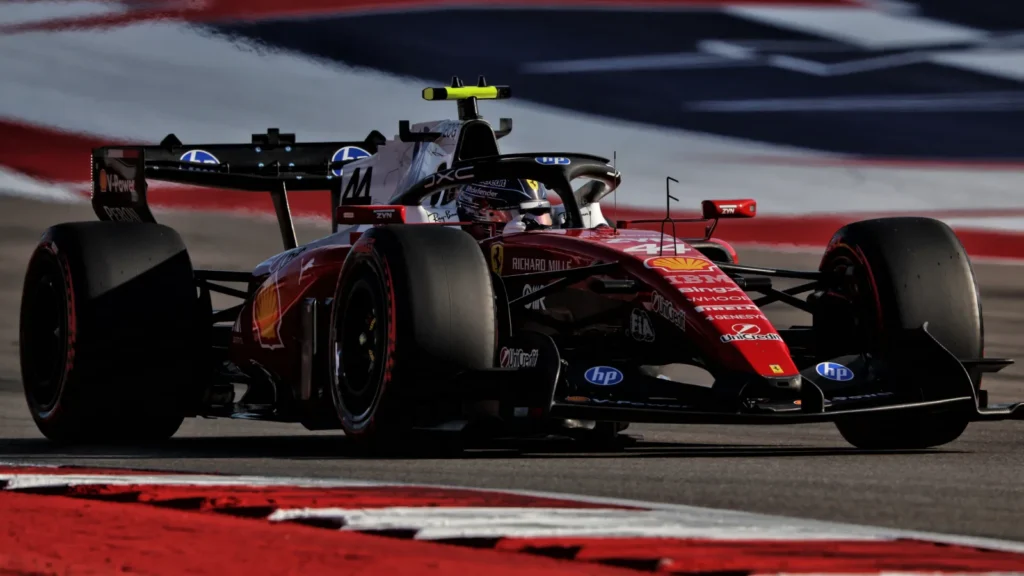
Ferrari’s weekend went the other way. Charles Leclerc admitted outright to a mistake that cost him the win, settling for second instead of the top step. Hamilton’s one-stop gamble — the one Vasseur publicly defended afterwards — left the team with a smaller points haul than the car’s pace deserved. ESPN’s breakdown of the constructors’ picture lays out just how unforgiving these margins have become this late in a season, where a single botched pit sequence can swing a multi-million dollar championship bonus.
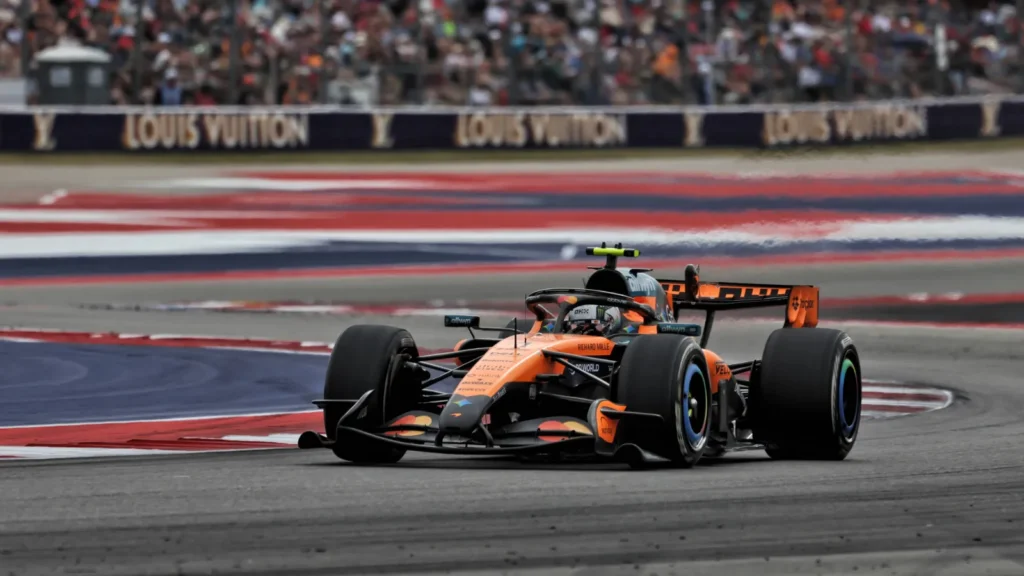
McLaren, meanwhile, is fighting itself as much as it is fighting Ferrari. Lando Norris called the MCL40 “impossible” to drive in Singapore and handed his own team a blunt verdict. Oscar Piastri, by contrast, turned a mid-race puncture into what he called a bright end to a lonely weekend. Two drivers in the same car, two completely different weekends. That is not a small detail. That is the whole season in miniature.
Constructors’ points do not care about narrative. A fourth and a seventh add up the same whether the story behind them is heroic or chaotic. Full standings after Singapore show gaps between the top four teams narrower than they have been at this point in recent memory, and three races remain before Abu Dhabi closes the book.
Why fans are tracking probability shifts race by race
Every retirement, every pit error, every puncture nudges a probability. That is true whether you are reading it as raw motorsport drama or treating it as a number that moves after each session. Fans who have followed Ferrari’s year of strategy miscues and McLaren’s internal points battle have started tracking those swings the way you would track a stock chart. Not for the drama alone. For the shape of the trend line.
That instinct has pushed a growing number of Formula 1 followers toward platforms built specifically for trading on real-world outcomes rather than traditional fixed-odds betting. If you are curious how that works in practice, the latest Kalshi promo code gets new users started on event contracts tied to race winners, championship outcomes and constructor standings. The same kind of markets where Saturday’s lockup or Sunday’s puncture translates directly into a price move. Gambling involves risk. Please play responsibly and only wager what you can afford to lose; if it stops feeling fun, BeGambleAware.org and GamCare both offer free, confidential support.
Kalshi operates under US federal oversight through the CFTC rather than state-by-state gambling licensing, which is part of why its event contracts have drawn attention well beyond the usual sportsbook crowd. A recent CasinoBeats report on the legal status of these contracts notes the structure is currently facing a Supreme Court test, which tells you the model is being taken seriously enough to challenge. That regulatory distinction matters to Formula 1 fans who want exposure to outcome-based markets without needing a traditional sportsbook account in every state.
The mid-pack strategy war nobody is talking about
Everyone is watching Antonelli’s title permutations heading into Austin. Fair enough — a Mercedes driver winning it all at 20 would be historic. But the constructors’ fight underneath that story is arguably tighter.
Red Bull’s late surge off the back of Verstappen’s Singapore win has changed their calculus entirely. A team that looked resigned to fourth in August is suddenly talking about motivation and momentum again. Verstappen said as much himself after Marina Bay, framing the win as a warning shot to his rivals rather than a one-off.
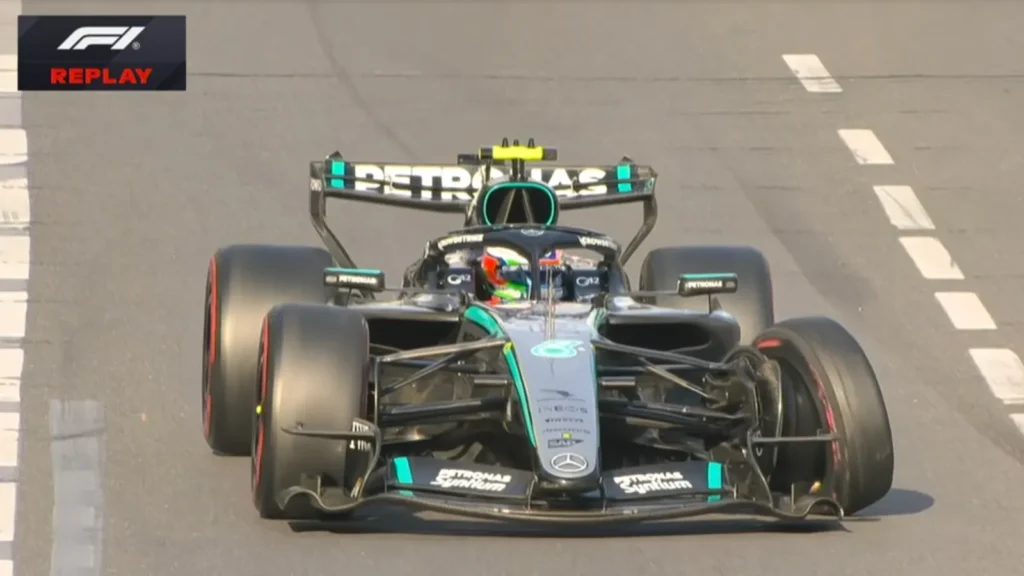
Mercedes sits in the mix too, buoyed by Antonelli’s form, though their constructors’ points have come more from consistency than outright dominance. Nobody at Mercedes is winning races by half a minute. They are collecting fourths and fifths while the big four trip over themselves, and in a tight title race, boring points add up faster than flashy ones.
McLaren’s problem is not pace. It is that Norris and Piastri keep taking points off each other’s table in ways that occasionally cost the team more than they would lose to an outside rival. A constructors’ championship does not care which of your two drivers finishes third. It just wants both cars scoring, consistently, without drama.
What the final three races could still flip
Three races is not a lot of time, but it is enough. Ferrari has shown this year that a single strategy misstep can cost 15 points in an afternoon. McLaren has shown that an “impossible” car weekend can still produce a podium if the other driver has the kind of luck Piastri found in Singapore. Red Bull has shown that one well-executed weekend can resurrect a campaign that looked finished a month earlier.
None of the top four teams has had a clean run through this entire season. That is unusual, and it is exactly why the gaps are still this tight with the calendar running out. A YouGov survey on Formula 1 fan engagement found a notable share of fans now follow the sport partly through outcome-based engagement rather than passive viewing alone, which lines up with how closely this title race is being tracked heading into Austin.
Watch the next pit wall call before you watch the next lap time. That is where this championship is actually being decided.
Frequently asked questions
Why did Ferrari lose points despite having a competitive car in Singapore? Fred Vasseur confirmed a one-stop strategy backfired for Hamilton, while Leclerc admitted his own mistake cost him the win. Both incidents cost Ferrari constructors’ points the car’s underlying pace should have delivered — a pattern that has repeated through their 2026 campaign.
How much has Red Bull’s Singapore win changed the constructors’ picture? It moved Verstappen up to fourth in the drivers’ standings and reignited Red Bull’s constructors’ push after a quiet midseason. One strong weekend does not close a large gap outright, but it changes momentum and team motivation heading into the final rounds.
Why does McLaren keep losing ground despite having two strong drivers? Norris and Piastri occasionally take points off each other through on-track battles or mismatched strategies, which can cost the team more than losing position to a rival. Norris himself called the car’s recent form “a long way off” after Singapore.
Is tracking constructors’ points gaps useful beyond just watching races? Yes. Fans increasingly follow lap-by-lap and session-by-session swings the way you would watch a market move, since a single pit error or puncture can shift probabilities meaningfully with only a handful of races left on the calendar.